
Properties of Lactobacillus reuteri: what is it used for?
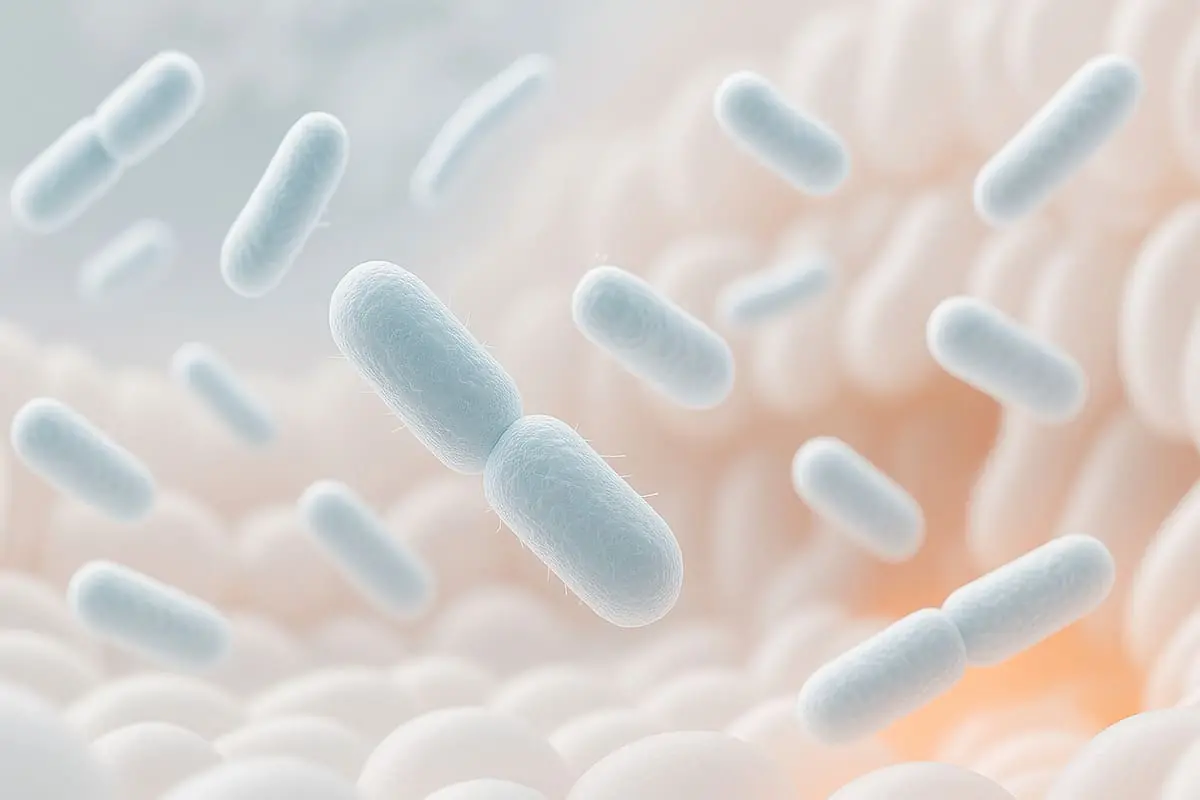
Probiotics are widely known for their benefits in digestive, immune and even oral health. The probiotic Lactobacillus reuteri is a microorganism that naturally colonises the gastrointestinal tract of humans and other mammals. It stands out for three key functional properties:- Adhesion capacity and microbiota modulation: It adheres to the intestinal mucosa, helping to balance the microbiota and promote a more stable microbial community.
- Production of bioactive compounds: Some strains, those capable of metabolising glycerol, produce reuterin and other antimicrobial substances that inhibit pathogens (for example, enterobacteria or Candida), contributing to colonisation resistance.
- In addition, reuterin acts against pathogenic microorganisms such as: E. coli, Salmonella, Clostridioides difficile or Candida albicans. Its activity does not depend on pH and is effective at low concentrations. This makes it a clear differentiating factor compared with other probiotics.
- Immunomodulatory effect: It can modulate the inflammatory response and support the intestinal barrier, with potential impact on functional digestive discomfort (e.g., episodes of abdominal pain, bloating or altered transit).

Benefits of the probiotic Lactobacillus reuteri
Potential benefits depend on the strain, the effective dose, the quality of the formulation and the target population. The most notable benefits of the probiotic Lactobacillus reuteri are:- Digestive health: support in acute diarrhoea, prevention of antibiotic-associated diarrhoea, functional gastrointestinal discomfort and transit regulation.
- Oral health: reduction of plaque and halitosis, and gum support.
- Infant health: digestive support in infants.
- Metabolic/inflammatory health: signals of cytokine modulation and interaction with the gut–immune system axis.
Emerging industrial applications
- Beneficial biofilms in aquaculture: some strains are used to compete with Vibrio.
- Use in animal nutrition: improves intestinal health in piglets and poultry.
- Applications in oral health (PTA 5289):
- reduction of Streptococcus mutans
- modulation of the oral biofilm
- use in dental prostheses
Probiotic Lactobacillus reuteri: types
In probiotics, the type of strain defines the use, the evidence and the optimal formulation approach. These are the criteria you should consider when selecting a strain:- Clearly defined indication and target population
- Strain with a traceable scientific dossier and deposit in a recognised collection
- Effective dose expressed in CFU per day and appropriate delivery format
- Real stability over shelf life and compatibility with the rest of the ingredients
- Regulatory compliance and a clear labelling strategy
DSM 17938 strain
This is the most widely used reference strain for digestive health, with a particular focus on the infant population. Evidence supports its gastrointestinal benefits, reduction of diarrhoeal episodes and balance of intestinal transit. It is usually used in liquid and powder formulations, with matrices designed to protect viability during storage and use.ATCC PTA 6475 strain
Selected for its immunomodulatory profile and support for intestinal barrier integrity. It is aimed at adults and developments seeking to modulate low-grade inflammation. It requires careful work on stability and excipient selection to preserve functionality and viable counts.ATCC PTA 5289 strain
Commonly used in oral health solutions. It has been used in combinations aimed at plaque reduction, bad breath control and gingival care. The delivery format can come in different forms:- Buccal tablets
- Gummies
- Local-release formats
ATCC 55730 strain
Historically relevant for its clinical use, although its replacement by DSM 17938 responded to safety criteria related to antibiotic resistance determinations.Probiotic Lactobacillus reuteri: design and evaluation
To turn a probiotic into a competitive, reliable, safe and effective product, development must integrate strain selection, formulation, preclinical and clinical validation, and a coherent regulatory and shelf-life strategy. At AINIA we address the full cycle with a focus on the real performance of the probiotic and its viability until the end of shelf life.- Definition of indication and strain selection: We define the health objective and from there establish the positioning: dose, delivery format and future clinical endpoints.
- Formulation and stability: We optimise the matrix and excipients to protect the viability of the microorganism against oxygen, humidity and temperature. We use proven stabilisation technologies such as lyophilisation and spray drying, and validate their impact on viable count and functionality.
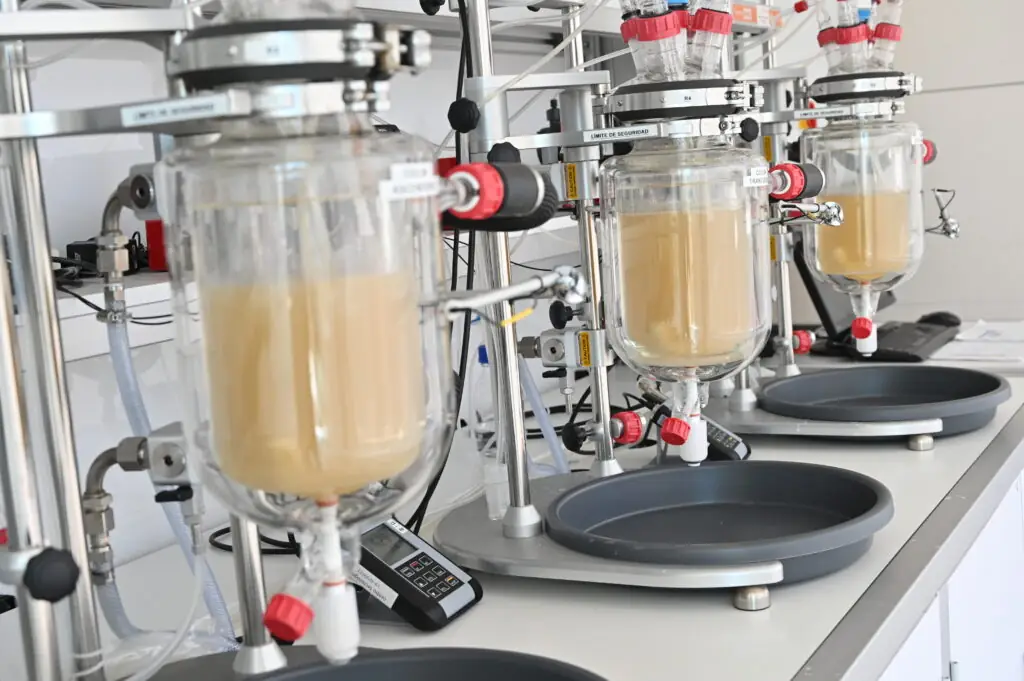
- Preclinical validation with advanced models: We verify gastric and intestinal survival and functionality using an in vitro Dynamic Digester, colonic fermentation models and cellular models that allow the study of gastrointestinal resistance, absorption and microbiota modulation.
- Clinical translation and regulatory strategy: We design clinical studies aligned with the indication and the target population, with variables such as days of diarrhoea, digestive comfort or inflammation markers, and collaborate with healthcare centres to obtain robust evidence. In parallel, we define the product’s regulatory framework, its labelling and quality requirements.
- Scale-up and shelf-life control: We take the development to pilot and industrial scale, selecting barrier packaging and logistics conditions that preserve viability. Throughout the process, we perform accelerated and real-condition stability studies, and revalidate performance in in vitro digestion when significant formulation changes occur