Carolina Colvée / 25 February 2026

Resveratrol on Skin: Benefits, Science and Cosmetic Applications

Resveratrol has established itself as one of the polyphenols most studied in beauty due to its antioxidant and soothing profile. Its application in cosmetic products not only responds to the demand for efficacy, but also to the trend towards natural cosmetics and upcycling of agricultural by-products.

In this guide we review resveratrol: benefits, what it is and what it is used for, the available evidence and the key aspects of extraction and standardisation.

Resveratrol: what it is and what it is used for

Resveratrol is a stilbene naturally present in the vine, particularly in grape skin. In topical cosmetics it is used to:
  • Neutralise free radicals.
  • Protect the skin from oxidative damage.
  • Reduce inflammation.
  • Improve skin firmness and elasticity.
  • Prevent premature ageing.
In formulation, it acts as an antioxidant shield in serums, creams and essences to improve skin resilience and anti-ageing performance.

Resveratrol benefits: scientific evidence

Numerous studies support the benefits of resveratrol in dermatological applications. Among the most notable:
  • High-value antioxidant: reduces the impact of oxidative stress derived from UV radiation and pollution.
  • Soothing effect: may help reduce inflammation markers, useful for skin exposed to external aggressors.
  • Photoageing and luminosity: when integrated into routines with vitamin C, niacinamide and other polyphenols, it helps improve tone uniformity and the appearance of fine lines.
  • Formula synergies: works well with complementary antioxidants and with encapsulation systems that improve its stability.
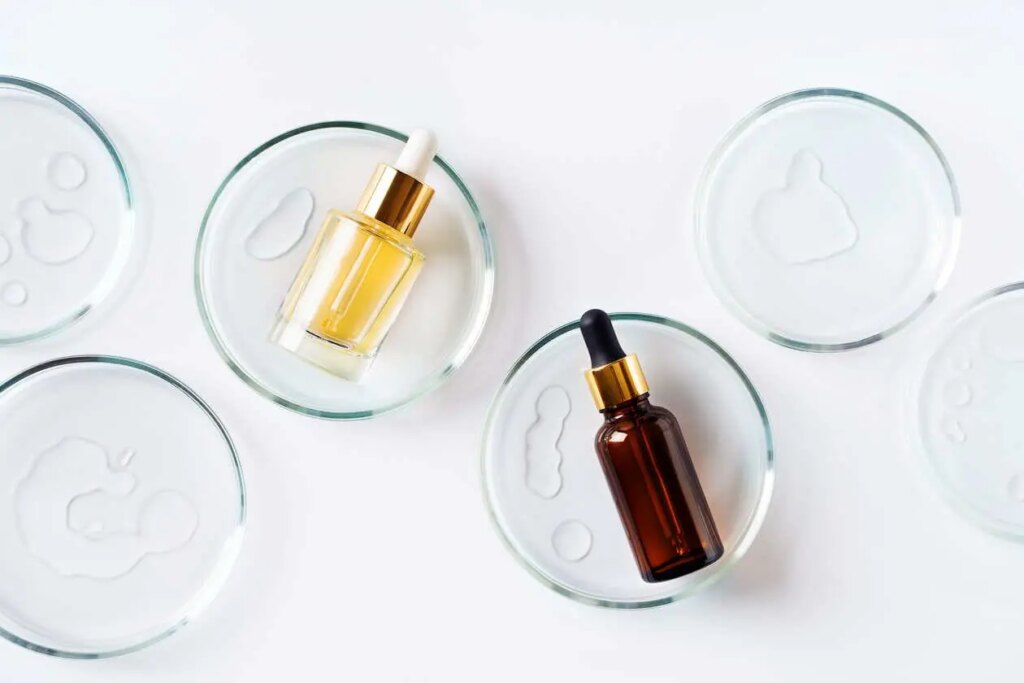
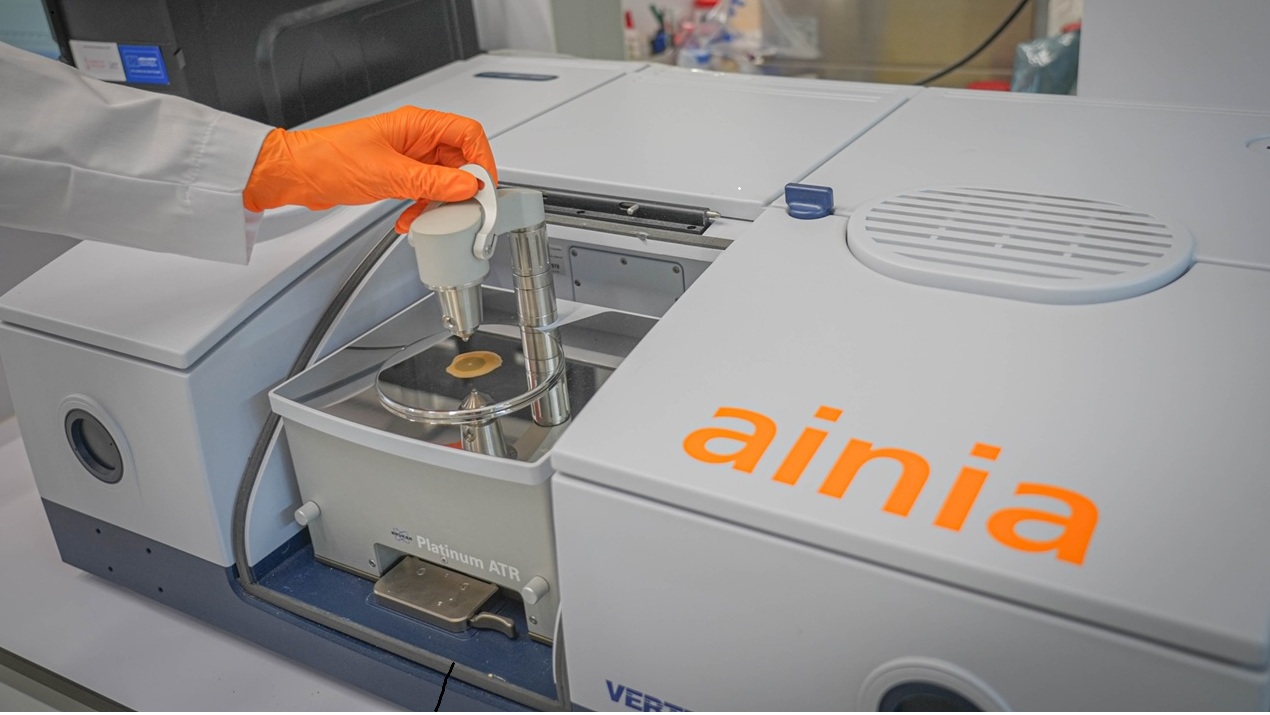
Resveratrol is a compound sensitive to factors such as oxidation, light exposure and pH variations, which can compromise its stability and efficacy in cosmetic formulations. To preserve its activity, its encapsulation is recommended using technologies such as liposomes, coacervation, microcapsules or nanocapsules. In addition, the use of opaque packaging or airless systems significantly contributes to maintaining its real performance during product use. Today, thanks to advances in cosmetic research, it is possible to validate the efficacy of resveratrol through in vitro studies, which allow observation of its antioxidant, anti-inflammatory and collagen-stimulating action under controlled conditions. These scientific tests not only support its inclusion in cosmetic products but also help optimise its formulation and ensure visible results on the skin.

cosmetic ingredients

Extraction and standardisation of resveratrol

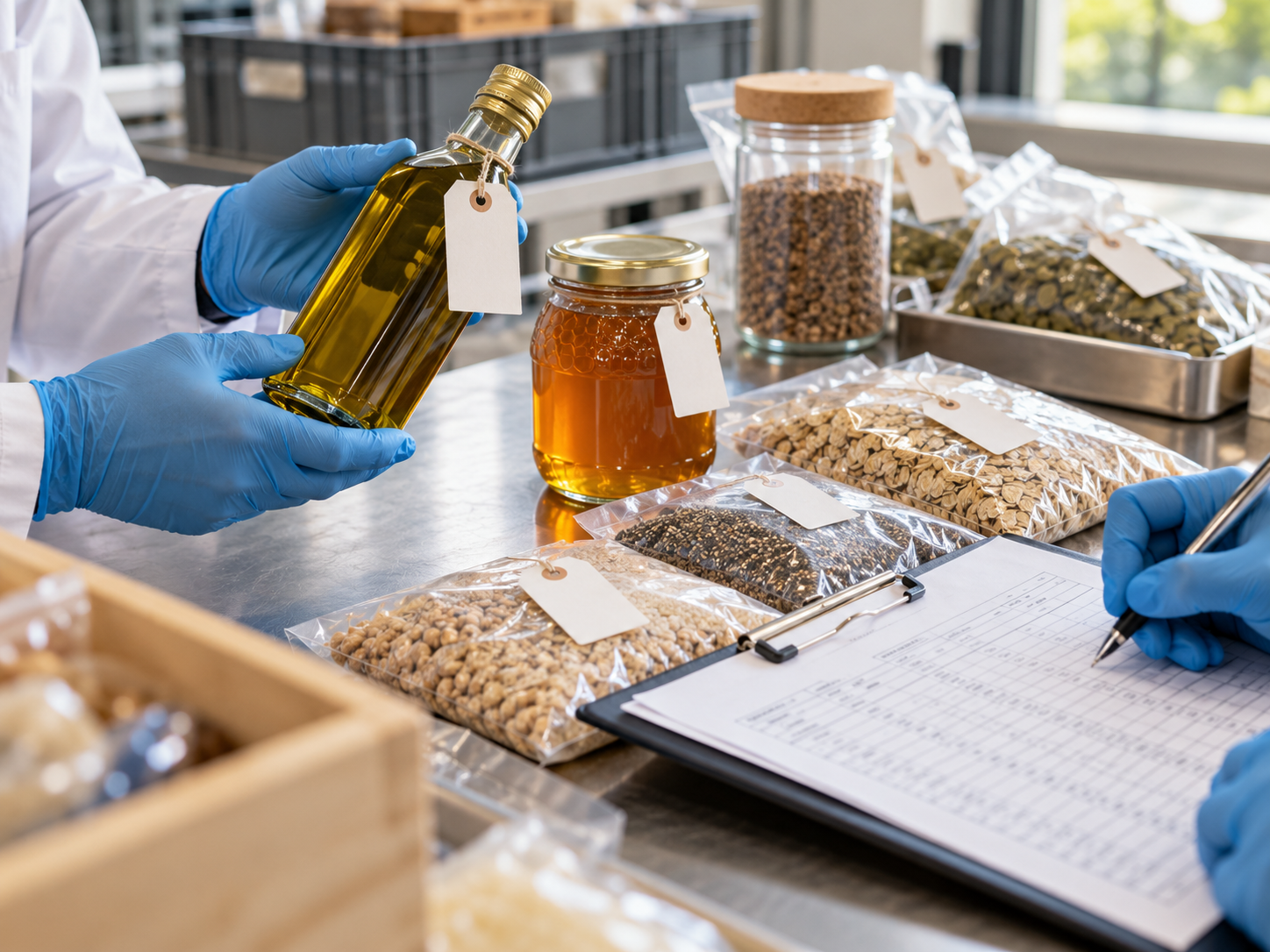
Currently, the development of bioactive ingredients for cosmetics relies on advanced technologies that ensure quality, traceability and sustainability. Thanks to applied research and collaboration between science and industry, it is possible to obtain compounds such as resveratrol efficiently, safely and in an environmentally friendly way, ensuring their functionality in innovative cosmetic formulations. To guarantee consistent results, it is essential to consider:

Extraction pathways

Type Description Critical aspects
Plant extracts Grape (skin/seed/stem) or Polygonum Control of solvents, pesticides and impurities
Biotechnological routes Fermentation or biocatalysis High purity and lower seasonal variability
Clean processes Selective extraction (e.g. supercritical CO₂) and gentle purification Preservation of thermolabile compounds

Standardisation and control

  • Markers and purity: specifications of total resveratrol, isomers (trans-/cis-) and profile of accompanying polyphenols.
  • Traceability: botanical origin, certifications, extraction method and in vitro assays supporting the declared functionality.
  • Compatibility: stability tests in the cosmetic base (pH, solvent, emulsion) and preservative challenge test.
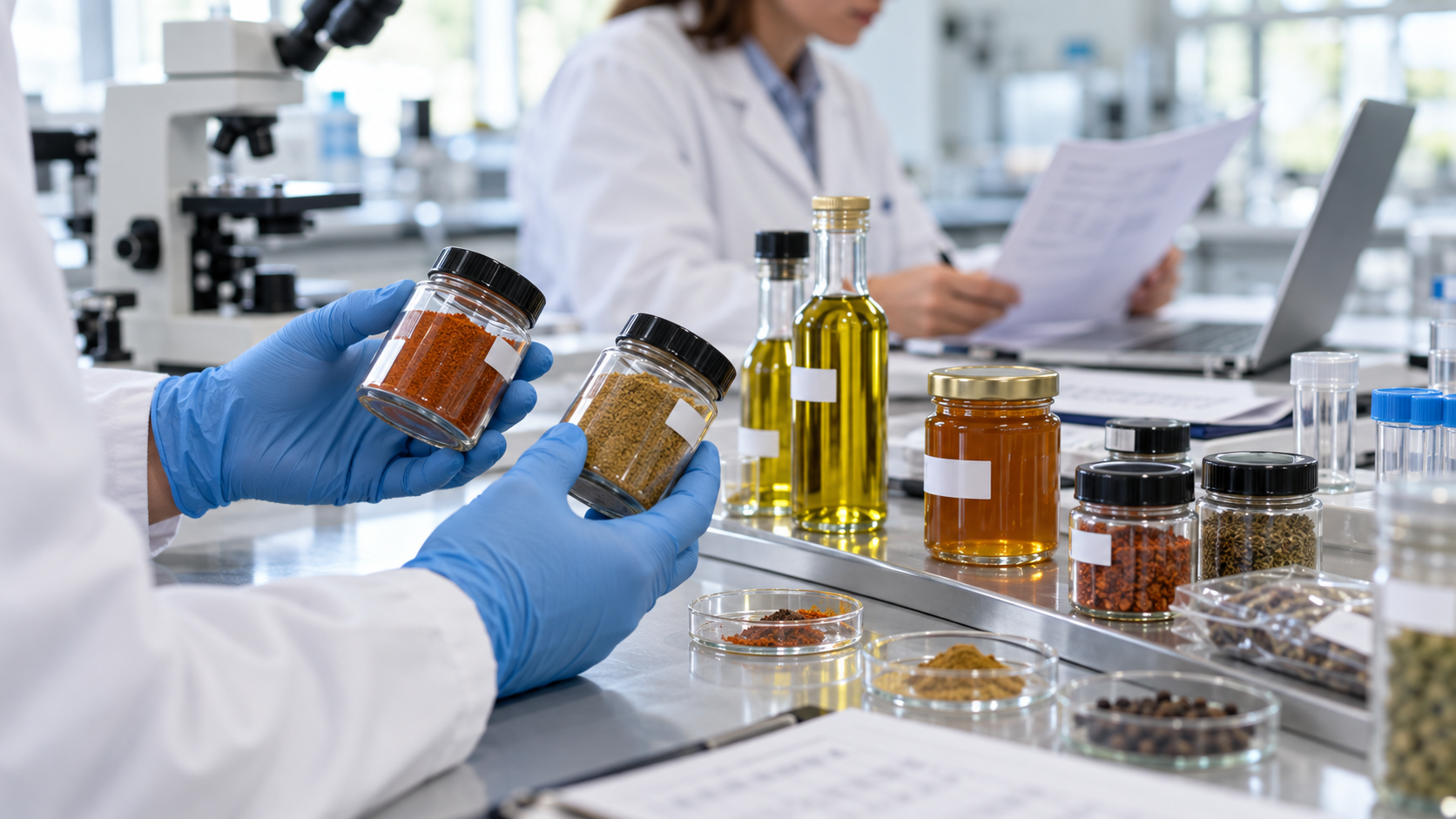
Validate its stability in cosmetic formulations.

Resveratrol in grapes: upcycling

One of the most well-known sources of resveratrol is grapes, especially their skins and seeds. Through the upcycling approach, these by-products of the wine industry are transformed into high-value cosmetic ingredients.
  • Reduces agri-food waste.
  • Promotes the circular economy.
  • Harnesses bioactive compounds that would otherwise be lost.

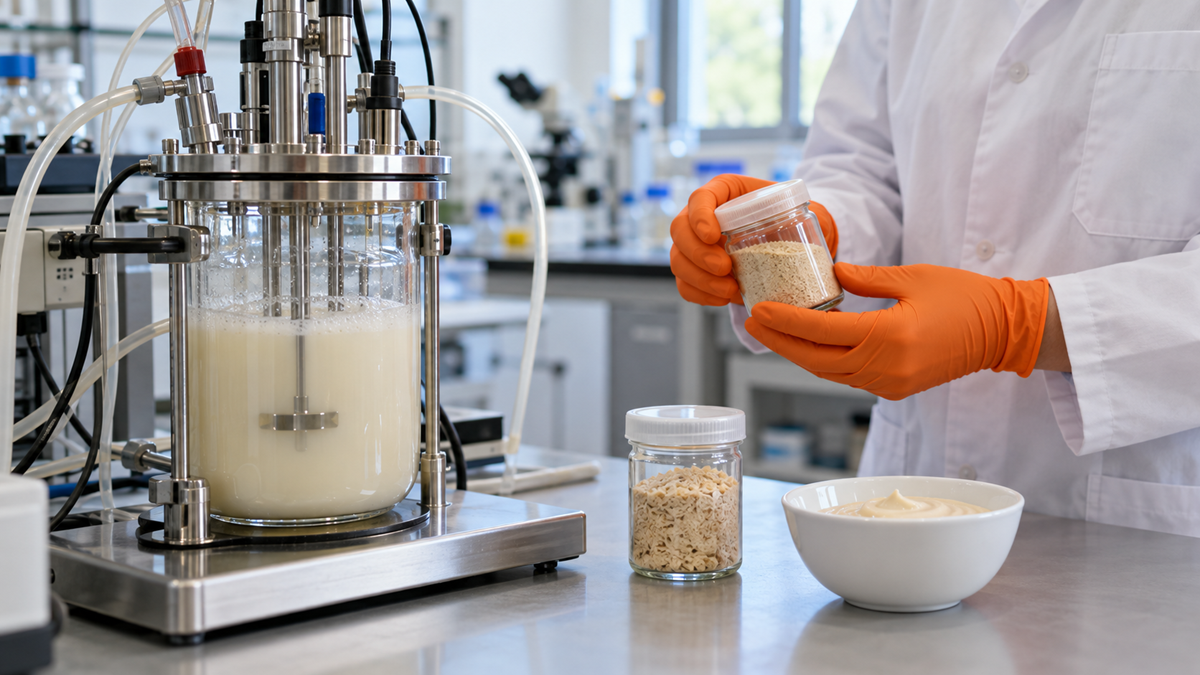
The use of resveratrol from grapes not only provides skin benefits but also responds to a growing demand from conscious consumers and brands committed to sustainability. In Europe, polyphenol extracts derived from grapes represent a significant part of the natural antioxidants market. Thanks to sustainable extraction technologies, it is possible to recover these bioactive compounds efficiently, reducing waste and generating new functional ingredients for the cosmetic industry. This type of valorisation not only improves crop yield but also offers an ecological and profitable alternative for developing innovative products. scientists manipulating resveratrol

Conclusion

Resveratrol represents a perfect fusion of science, nature and sustainability. Its multiple benefits for the skin, supported by scientific evidence, make it a key active ingredient in modern cosmetics. In addition, its extraction from by-products such as grapes through upcycling processes reinforces its ecological and ethical value. Choosing ingredients such as resveratrol means moving towards cosmetics that are more effective, responsible and aligned with the expectations of today’s consumers. Funded by the aid program for hiring young professionals specialized in internationalization 


Related news

icono izquierdaicono derecha

Do you find this topic interesting?
Contact us

Basic information on data protection

Responsible AINIA
Address Calle Benjamín Franklin, 5 a 11, CP 46980 Paterna (Valencia)
Purpose To attend to, register and contact you to resolve the request you make to us through this contact form
Legitimation Your data will be processed only with your consent, by checking the box shown on this form
Recipients Your data will not be transferred to third parties.
Rights You have the right to request access to, correct or delete your data. You can also request that we limit its processing, oppose it and request the portability of your data by contacting our postal address or [email protected]
More info You can find more information in our Privacy Policy
DPO If you have any questions about how we will treat your data or would like to make any suggestions or complaints, please contact the Data Protection Officer at [email protected] or at the Data subject support form

I consent to the use of my personal data to process my request, as set forth in your Privacy Policy

I consent to the use of my data to receive information and commercial communications from your entity.

Carolina Colvée

Suscríbete a nuestra newsletter

Mantente al día de lo más destacado sobre innovación y nuevas tecnologías.
SUSCRIBIRME
close-link