Why vitamin C cosmetics are key in the sector
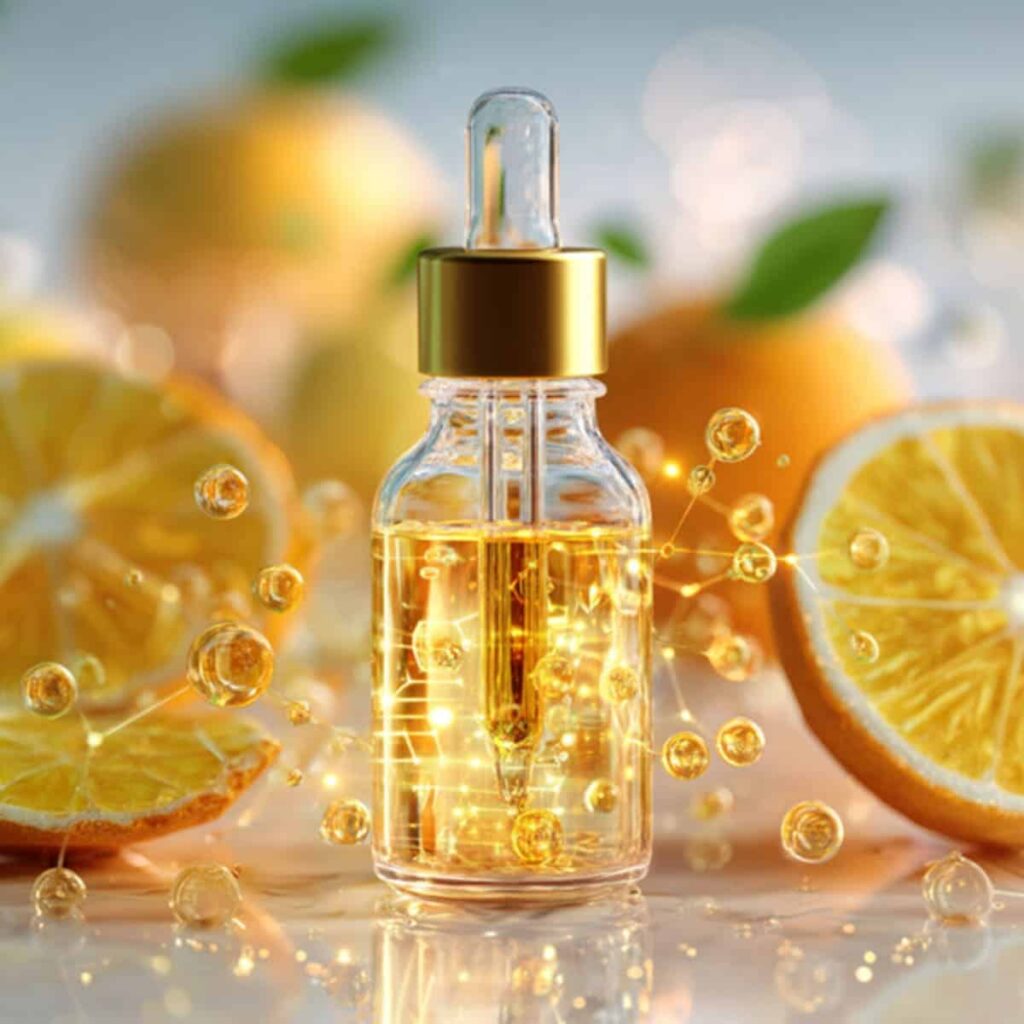
Vitamin C cosmetics respond to the trends of natural cosmetics and clean beauty, where consumers seek safe, sustainable and, above all, effective ingredients. It occupies a prominent position in the market due to its combination of visible results and scientific backing. Its role in protecting the skin against oxidative stress and stimulating collagen makes it an essential active ingredient for multiple cosmetic applications:- Antioxidant action: neutralizes free radicals and protects against UV radiation and pollution.
- Anti-aging effect: stimulates collagen synthesis, improving firmness and elasticity.
- Depigmenting effect: helps even skin tone and reduce dark spots.
- Natural radiance: enhances vitality and the healthy appearance of the skin.
 Biotechnological production of vitamin C cosmetics and derivatives
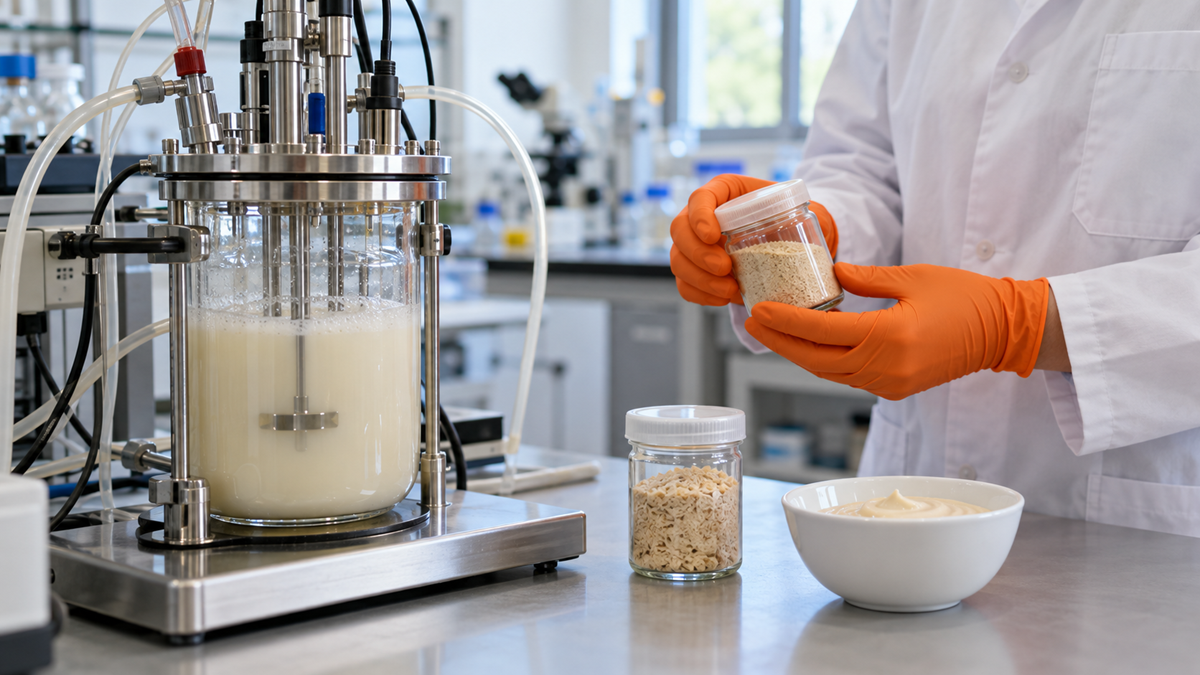
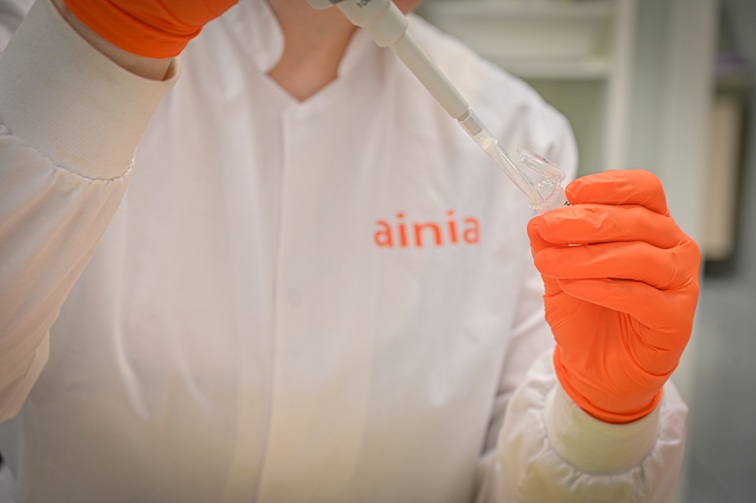
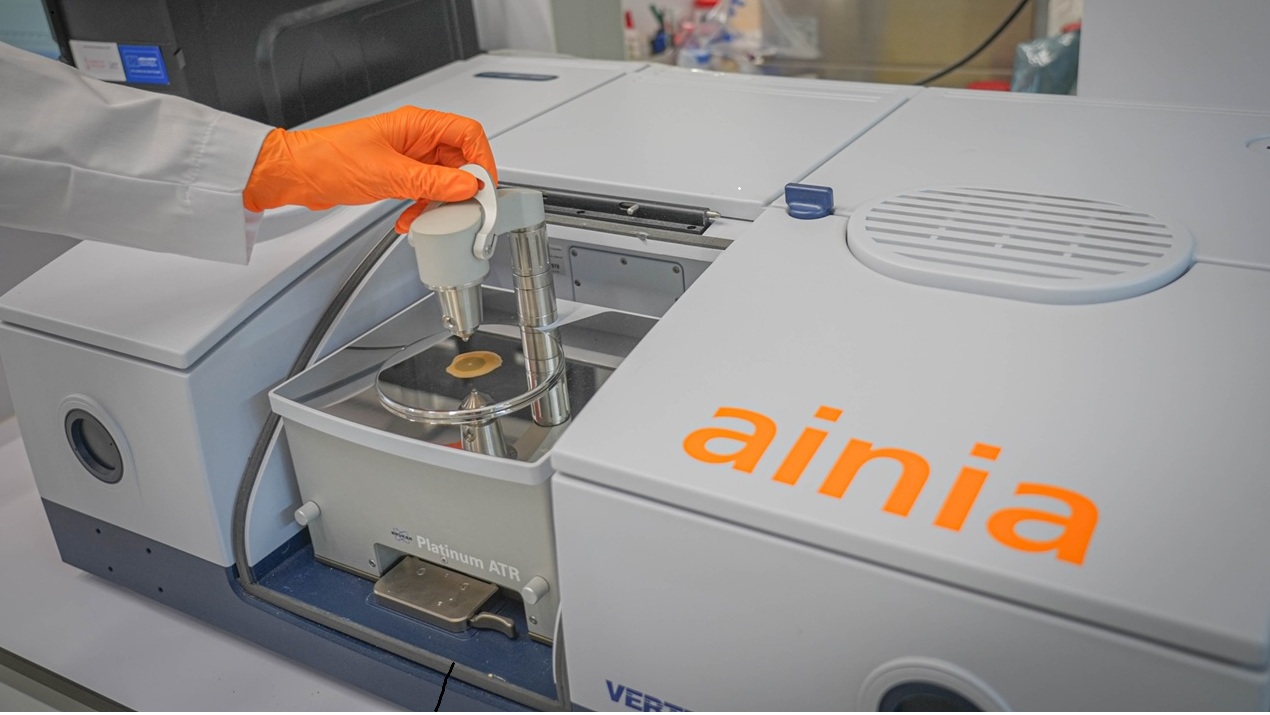
Conventional vitamin C production through chemical synthesis is gradually being replaced by more sustainable and selective biotechnological routes. These new approaches make it possible to obtain L-ascorbic acid and its functional derivatives through fermentations and enzymatic biotransformations. Performance is validated through functional assays in in vitro and ex vivo models, and is accompanied by pilot to pre-industrial scale-up to ensure transferability and consistency before launch.
Controlled microbial fermentation
This method uses genetically modified microorganisms, such as strains of Gluconobacter oxydans or Ketogulonicigenium vulgare, to transform glucose into ascorbic acid. It is a clean process with lower environmental impact than traditional chemical synthesis and enables large-scale production with high purity.Specific enzymatic processes
Through the use of specific enzymes, plant precursors are converted into vitamin C or its derivatives (such as sodium ascorbate or ascorbyl glucoside). These processes enable higher selectivity, reduce residues and improve the stability of the final product.Upcycling of plant by-products
An emerging trend is the use of agricultural residues rich in vitamin C, such as citrus fruit peels, to extract the active compound through green processes.Vitamin C and sustainability in modern cosmetics
The development of sustainable cosmetic ingredients is a strategic priority for the industry. For this reason, biotechnologically produced vitamin C represents an effective and environmentally friendly alternative. Current trends point toward:- Formulation with natural and traceable ingredients, derived from plant sources or biotechnological processes.
- Clean production, based on low-energy technologies and without toxic residues.
- Encapsulation and controlled release, which protect vitamin C from oxidation and increase its shelf life.
- Upcycling strategies, which revalorize waste materials into new sources of bioactive compounds.
Future perspectives and innovation pathways
The future of vitamin C cosmetics is moving toward the development of smart actives, sustainable formulations and science-based strategies. Some key innovation pathways include:- Smart delivery systems, responsive to temperature, pH or light exposure.
- Synergistic combinations of antioxidants (vitamin C, E and ferulic acid) to strengthen protection against oxidative stress.
- Neurocosmetics and wellbeing, where vitamin C participates in formulations designed to improve both skin health and the users emotional experience.
- Customized production: through biotechnology adapted to the specific needs of each market.
- Advanced scientific validation, through in vitro and ex vivo studies confirming the antioxidant, regenerative and protective effects of the active ingredient.
 Funded by the aid program for hiring young professionals specialized in internationalization