
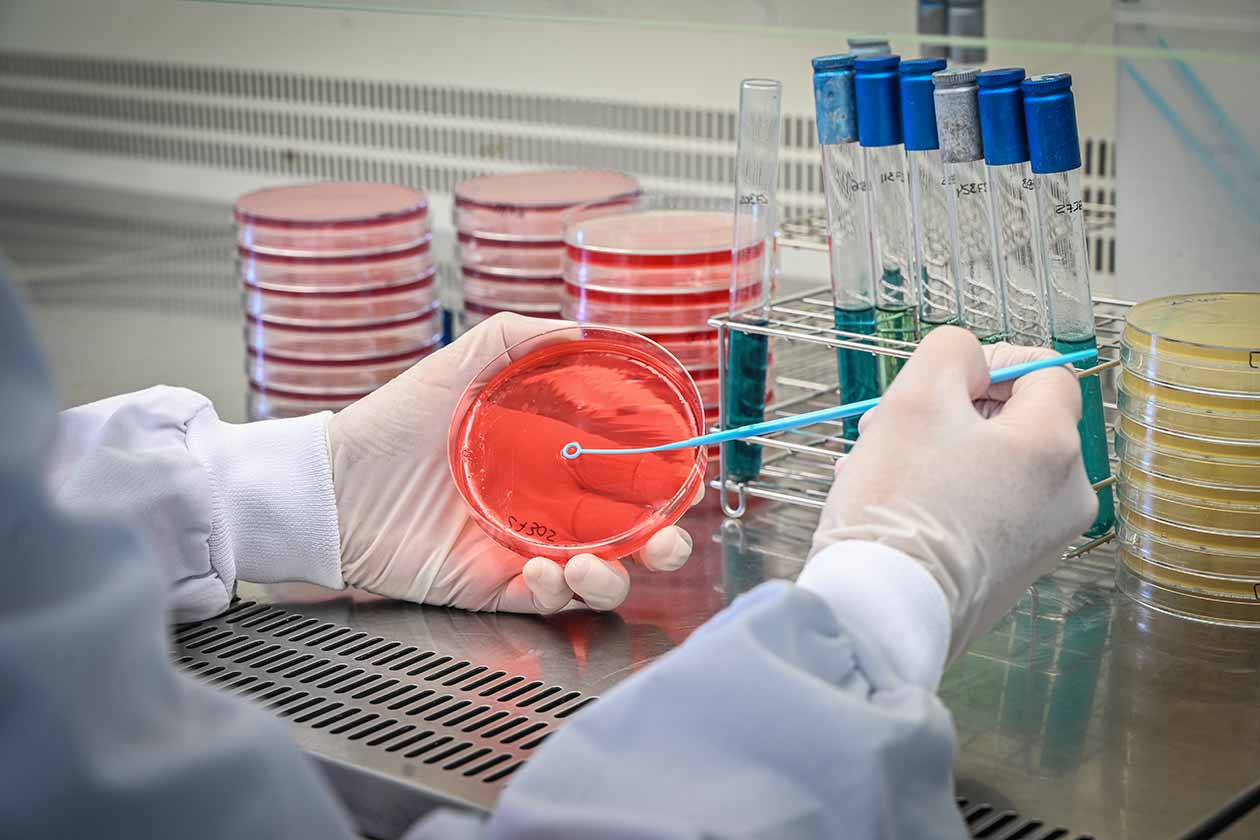

Raw or Undercooked Meat: Ensuring Safety
One of the first questions we ask is how safe raw or undercooked meats are. The recommendation is to cook whole meats to over 65°C and minced meats to over 70-75°C, maintaining these temperatures for more than two minutes. These cooking times are, in fact, higher than what chefs typically recommend for rare meats, where beef, pork, and even minced products like burgers are commonly served to highlight the product’s natural characteristics. But how should we assess the safety of our products if they are to be served undercooked? What kind of shelf life studies of food products or Challenge Tests should we perform? And under what conditions should we carry out these tests?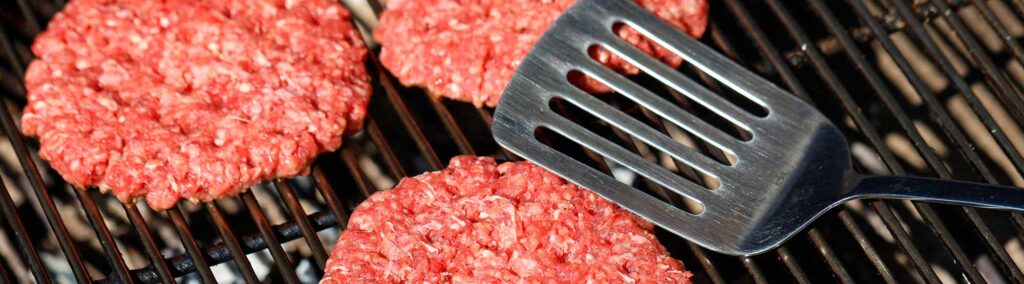
Types of Shelf Life Studies (EVU) or Challenge Tests
Different products, processes, distribution methods, and cooking techniques require adapting the type of shelf life study of food products and its conditions specifically to each case. To meet these changing and specific needs, whether due to the type of product, distribution method, or consumption (e.g., if a product is going to be served raw in restaurants), there are three main types of EVU or Challenge Tests:EVU for Natural Alterants or Pathogens
This involves studying the evolution of microbial flora, either for product safety or for maintaining organoleptic properties. The flora examined is naturally present in the product—no pathogens are intentionally inoculated. The conditions selected must be as demanding as or more so than those expected during the product’s shelf life.Microbial Stability with Challenge Tests
This method examines the stability of the product by assessing the ability of certain pathogens or spoilage microorganisms, intentionally inoculated into the product, to grow or survive under specific environmental conditions. Analytical monitoring is done to track the growth of these microorganisms over a defined shelf life. This can also be complemented by studying the effectiveness of thermal treatments applied at the point of sale to destroy the inoculated microorganisms, particularly for products meant for sale in restaurants.Listeria Growth Potential Study
The evaluation of the potential growth of Listeria monocytogenes is carried out through Challenge Tests, enabling classification of foods into two categories defined by EU Regulation 2073/2005:- Category 1.2: Ready-to-eat foods that can support the growth of Listeria monocytogenes.
- Category 1.3: Ready-to-eat foods that cannot support the growth of Listeria monocytogenes.


