
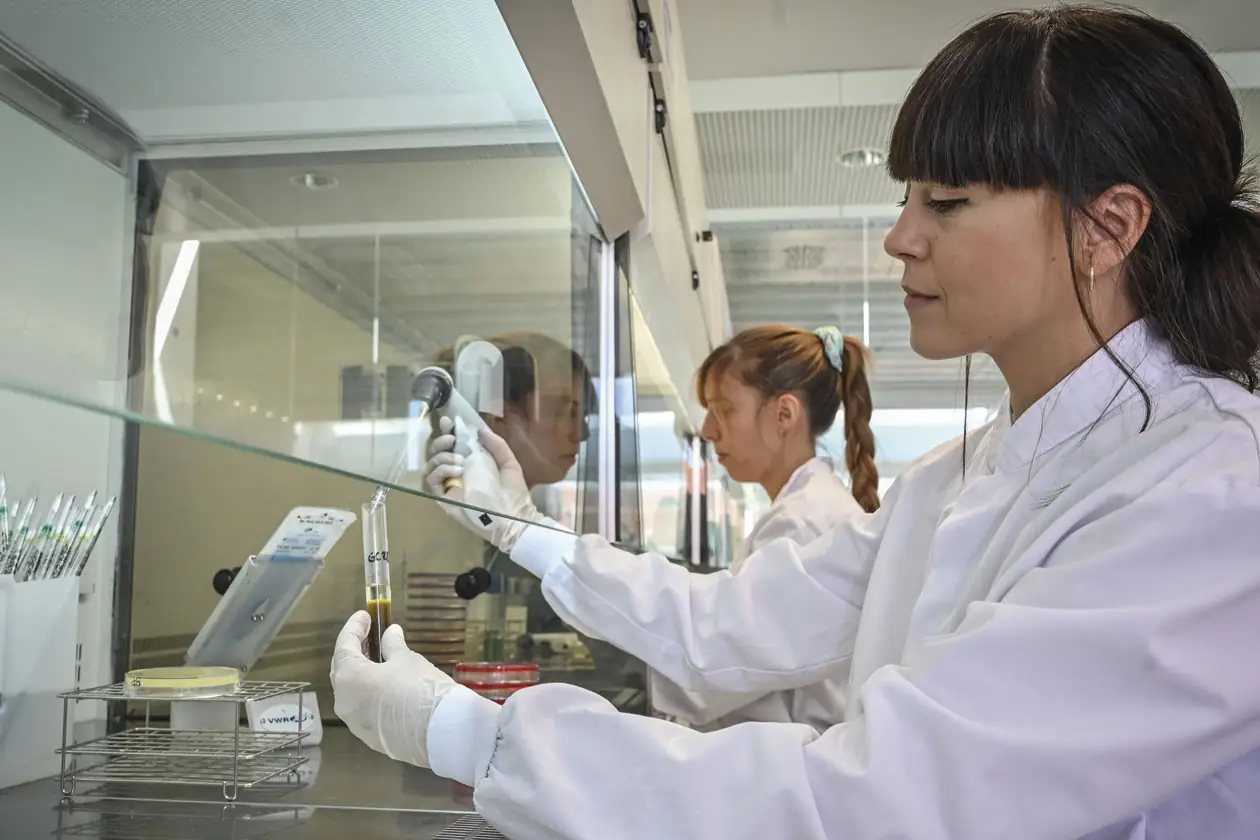

What pathogen causes salmonella? Species and the Genes Responsible for Infection
What pathogen causes salmonella? Salmonella is a bacterial genus belonging to the Enterobacteriaceae family, and it is composed of various species and serotypes capable of causing disease in both humans and animals. Although there are more than 2,500 Salmonella serotypes, the most relevant species and strains in terms of public health are Salmonella enterica and, to a lesser extent, Salmonella bongori. This diversity in salmonella species and serotypes means that the bacterium can adapt to different ecological niches, such as the intestines of animals and humans, and contribute to the spread of foodborne infections.
Salmonella enterica
Salmonella enterica is by far the most relevant species from a pathogenic point of view, as it is responsible for most cases of salmonellosis in humans. Salmonella enterica is divided into several serotypes, of which the most common are:- Salmonella Typhimurium: This strain is responsible for acute gastrointestinal infections in humans, especially through contaminated foods such as raw meat, eggs and unpasteurised dairy products. It is one of the most prevalent strains in salmonellosis outbreaks.
- Salmonella Enteritidis: Similar to Typhimurium, Enteritidis is commonly found in poultry products and contaminated eggs. It is also one of the most frequent causes of food poisoning caused by salmonella.
- Salmonella Typhi: This serotype causes typhoid fever, a serious systemic infection that can have fatal consequences if not treated properly. Unlike other strains of Salmonella enterica, Typhi is transmitted mainly from person to person through the consumption of contaminated water or food.
- Salmonella Paratyphi: It causes a milder form of typhoid fever, called paratyphoid fever, although it can also be serious if not treated in time.
Salmonella bongori
Although Salmonella bongori belongs to the same genus as Salmonella enterica, its pathogenic effects are much less common in humans. S. bongori is generally found in non-animal environments and is not responsible for the main foodborne infections, but is instead associated with some outbreaks in wild animals. This species may be a lesser concern, but it is important for microbiologists and food safety authorities because of its ability to survive under environmentally stressful conditions.Pathogenicity of salmonella in foods
The pathogenicity of salmonella in foods is related to its ability to survive and multiply in different types of food products. This bacterium can survive in raw foods, such as meats and eggs, but it can also be present in contaminated fruits and vegetables, especially if they have been in contact with wastewater or contaminated fertilisers. In terms of food safety, salmonella can be especially dangerous because it does not always show visible signs in contaminated foods, which makes its detection difficult without microbiological testing. In addition, some salmonella strains are capable of surviving insufficient cooking temperatures, which increases the risk of infection if foods are not cooked properly.Salmonella: Growth and Reproduction in the Food Industry
The foods most commonly contaminated include:- Raw or undercooked meats, especially chicken, beef and pork.
- Raw or undercooked eggs.
- Unpasteurised dairy products.
- Contaminated fruits and vegetables, especially if they have been in contact with contaminated water or faecal fertilisers.
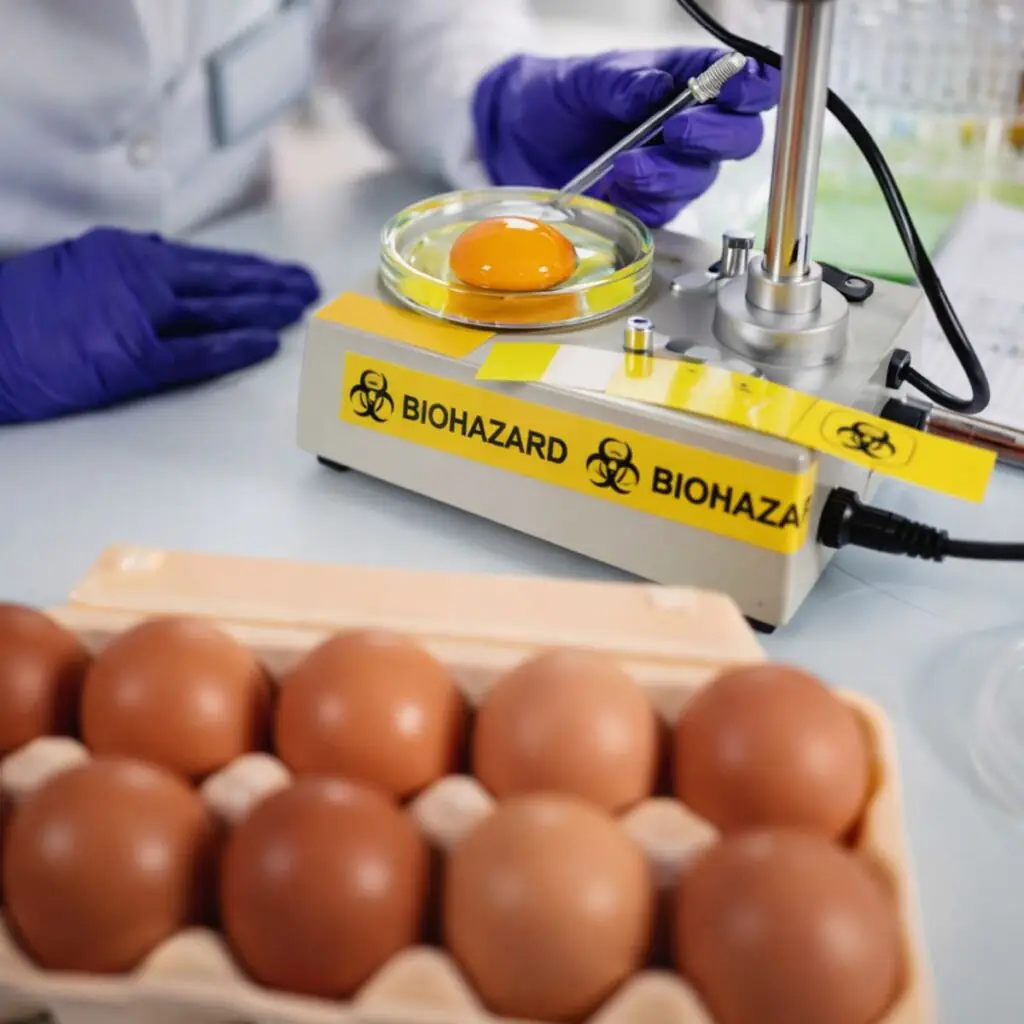
Preventing Salmonella in Foods: Control Strategies and Methods
Preventing salmonella in foods is a priority for the food industry, and there are several control strategies that can be implemented to minimise risks. Some of the key strategies include:- Temperature control: Ensuring that foods are cooked at the proper temperatures to kill salmonella, especially meats and eggs.
- Proper hygiene: Ensuring that kitchen utensils, work surfaces and equipment are properly disinfected to avoid cross-contamination.
- Monitoring and microbiological testing: Carrying out periodic analyses of food products to detect the presence of salmonella before they reach the final consumer.
- Staff training: Instructing workers on proper food handling and the importance of hygiene at all stages of production.


