The expansion of GLP-1-based treatments is accelerating changes that extend beyond their direct users. Eating smaller quantities, seeking foods with higher nutritional value, adjusting portion sizes or prioritising products that contribute to well-being are expectations shared by a much broader group of consumers.
For the food industry, this evolution opens up new opportunities, but also presents a challenge: developing products that deliver more value in smaller quantities without compromising pleasure, satisfaction or the consumption experience.
More nutrition in smaller quantities changes product development
As we analysed in our content on GLP-1 and food innovation, this trend may increase interest in foods with higher nutritional density, protein, fibre or formats adapted to smaller food intakes.
This approach also connects with broader needs related to metabolic health, maintaining muscle mass or healthy ageing, extending interest in this type of product beyond weight management.
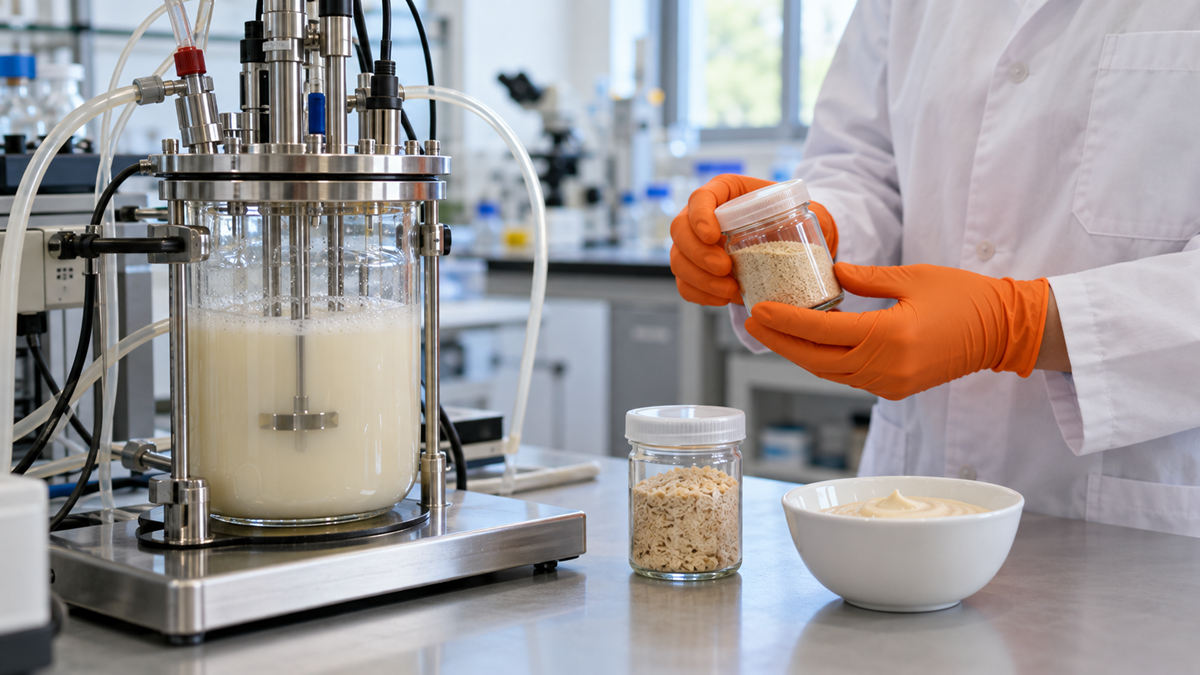
However, increasing the nutritional value of a portion is not simply a matter of formulation. Adding more protein or fibre can alter texture, aroma or flavour, cause dryness, astringency or aftertastes, and make a product designed to be healthier lose its appeal.
This raises one of the first questions for product development: how can a smaller, more nutritionally complete portion remain satisfying and easy to consume?
A smaller portion must also be satisfying
Reducing the quantity does not simply mean presenting the same product in a smaller format. Consumers must perceive that the portion is sufficient and that the experience is worthwhile.
This raises questions that go beyond the classic “how much do you like it?”. It may be useful to understand what quantity is considered appropriate, when the feeling of satisfaction arises, whether the product remains pleasant throughout consumption or whether certain attributes eventually cause fatigue, heaviness or a loss of interest.
The relationship between quantity and perceived value also changes. A smaller portion may be accepted if it offers a clear nutritional benefit and a satisfying experience, but it may generate rejection if it is simply perceived as less product at a higher price.
Therefore, studying the product, portion, benefit and perceived value together can help define propositions that are better suited to these new consumption patterns.
The sensory experience can also evolve
This trend may favour products with different sensory profiles: less sweet, lower in fat, lighter or easier to consume. However, there is no single answer that applies to all categories or all consumers.
Reducing intensity, sweetness or fat can work in some categories and have a negative impact on others, particularly when the perception of indulgence or satisfaction changes. For this reason, lighter, easier-to-consume or hydrating products may become more relevant, provided they maintain an appealing sensory experience and sufficient nutritional value.
The role of sensory science is to help define which sensory profile is appropriate for each product and consumption context, rather than assuming that new trends simply involve reducing certain attributes.
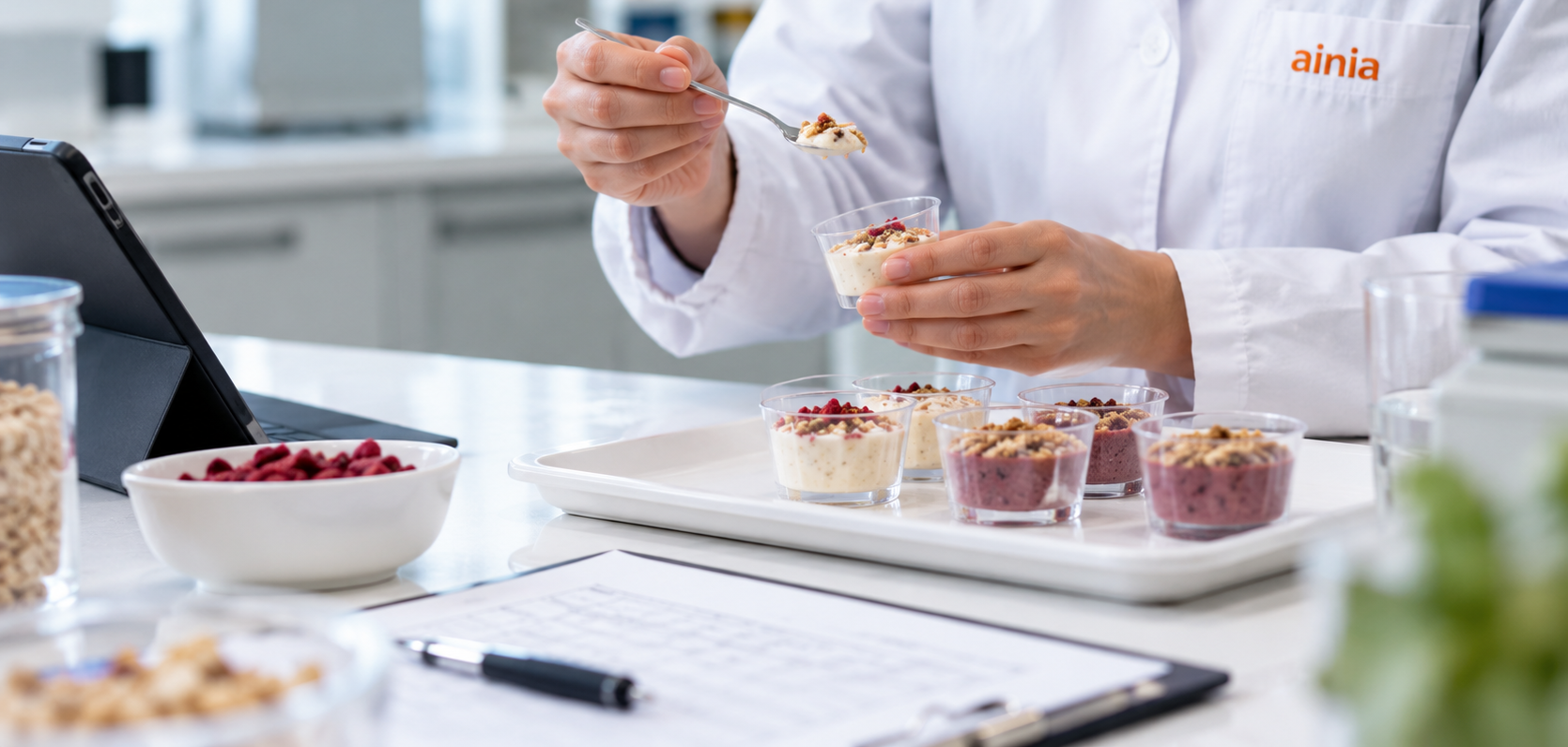
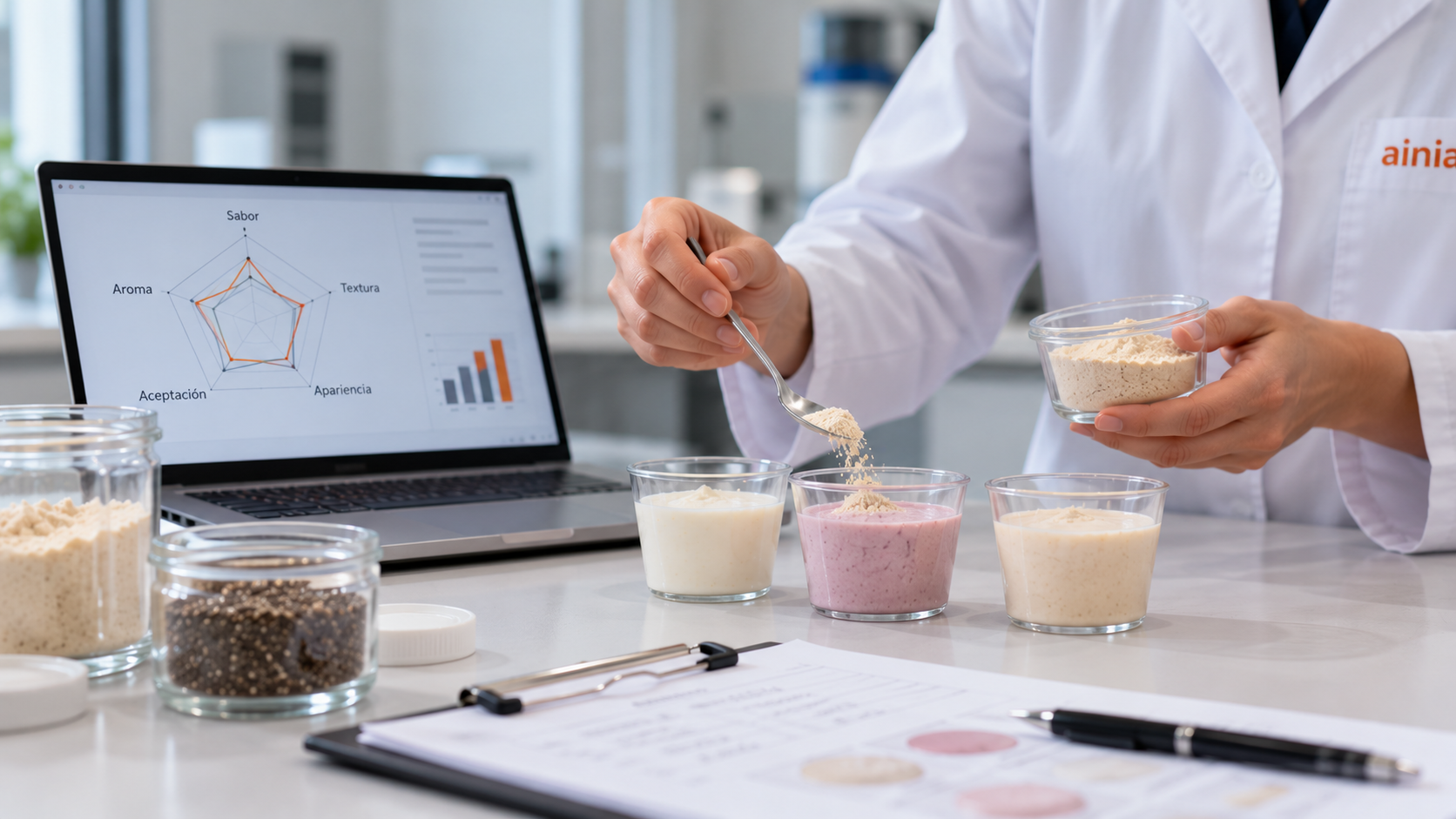
However, its contribution goes beyond incorporating sensory variables into product design through the optimisation of flavour, sweetness, texture, density, etc. It helps to optimise portion size by experimentally determining what quantity provides sufficient pleasure, nutrition and satisfaction.
From the ideal product to actual consumption
Another relevant aspect is understanding how the product fits into everyday life. A formulation may perform well in a controlled test and yet not fit with actual consumption occasions, quantities or situations.
Therefore, studies in real-life settings (Home Use Tests) make it possible to analyse how much is consumed, when the product is used, whether it replaces other options and how the experience evolves when it is consumed repeatedly.
They also make it possible to study more flexible formats: small portions, products that can be divided into portions or options that allow the quantity to be adapted to each occasion.
Communication is also part of the experience. A proposition based on “less quantity, but higher nutritional value” must clearly convey this benefit without necessarily being associated with restriction, dieting or medicalisation.
How AINIA can help you
At AINIA, we combineconsumer research, sensory science and product development to help companies transform these new consumption patterns into relevant and satisfying products.
Through oursensory studies and consumer research, we evaluate how consumers respond to new formulations, analysing aspects such as sensory perception, acceptance, portion size, satiety and satisfaction, to guide the development of products that respond to new forms and experiences of consumption.