AINIA / Laboratories / Physico-chemical / Phytopathogen analysis
- Physico-chemical
Phytopathogen analysis
Detection and characterisation of plant pathogens for phytosanitary risk management
Early detection and controlof phytopathogens
Plant health is a critical factor for the sustainability of the agri-food sector, the economic viability of agricultural holdings and compliance with national and international phytosanitary requirements.
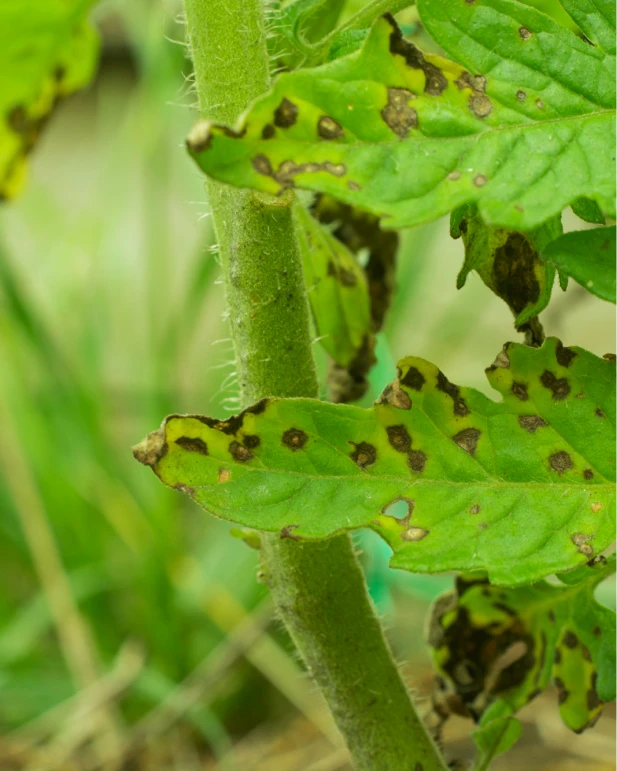
The emergence and spread of phytopathogens can cause severe production losses, restrictions on the movement of plant material and a significant impact on strategic crops. In this context,early detection, reliable identification and accurate characterisation of pathogensare essential to support decision-making by producers, public authorities and operators throughout the agri-food chain.
Our solution
-
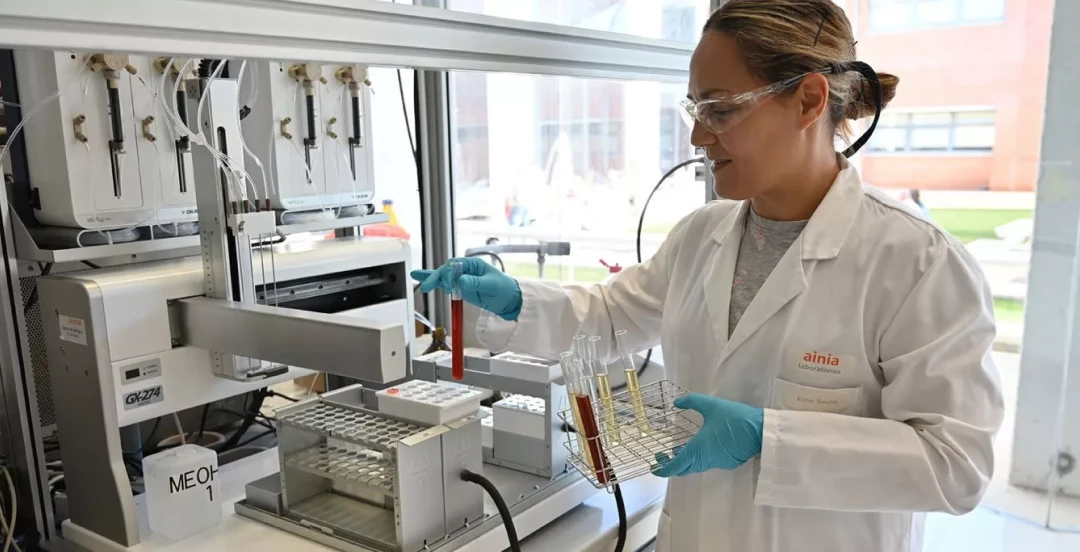
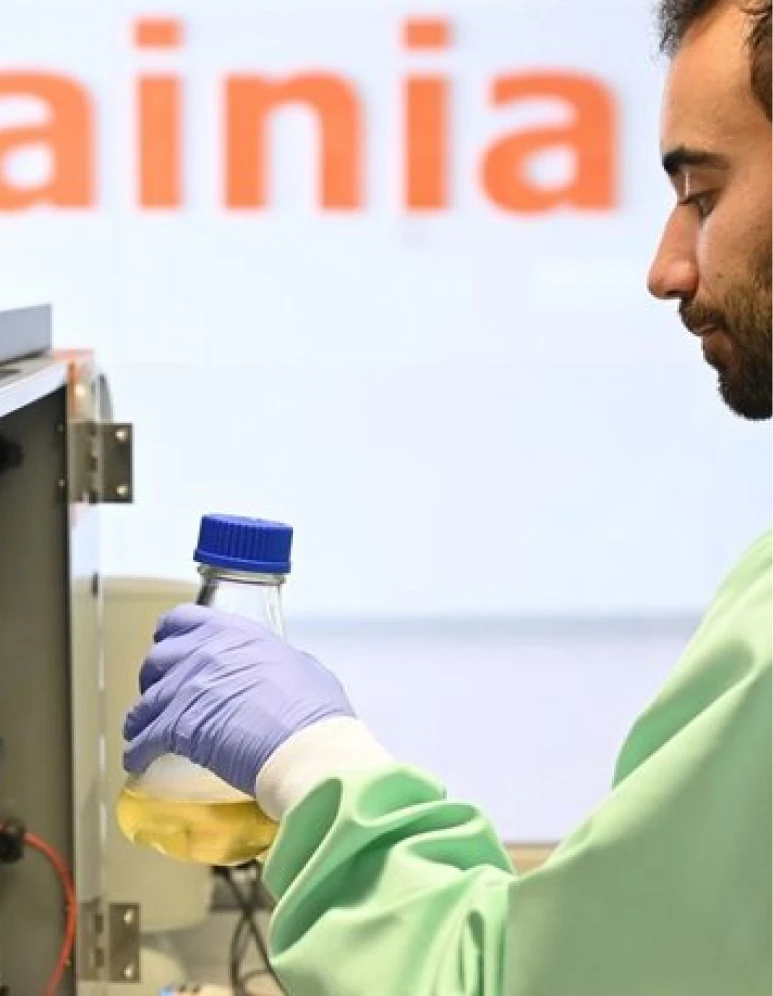
Detection, identification and characterisation
Of pathogenic organisms affecting crops and plant material. -
Analytical and molecular techniques
Application of proven techniques to samples of plant and environmental origin to provide reliable and technically robust results that support phytosanitary risk management. -
Experience with high-impact phytopathogens
Including participation in work related to Xylella fastidiosa, a pathogen of particular importance due to its economic and regulatory consequences. -
Phytosanitary surveillance and control
Conducting analysis from a rigorous technical perspective, aligned with the surveillance and control frameworks established by the competent authorities.
Applications
- Detection and identification of phytopathogens in crops and plant material.
- Support for phytosanitary surveillance and control programmes.
- Technical support for monitoring, containment or eradication activities.
- Generation of technical evidence to support agronomic and regulatory decision-making.
- Support for phytosanitary risk management in agricultural supply chains.
Impact and benefits
- Early detection of pathogens with a potential impact on crops and agricultural production.
- Improved response capacity to emerging or established phytosanitary risks.
- Strengthening of the technical basis for decision-making and communication with authorities.
- Reduction of the economic impact associated with the spread of phytopathogens.
- Contribution to the protection of the agricultural production sector and agricultural heritage.
Use cases
Surveillance and control of quarantine plant pathogens
Producers and organisations in the agri-food sector use the phytopathogen analysis service to confirm the presence or absence of quarantine organisms in plant material, as well as to support surveillance programmes. In the case of high-impact pathogens such as Xylella fastidiosa, the analyses provide reliable technical information to guide control measures and comply with the requirements established by phytosanitary regulations.
Would you like to know more?
Leave us your details and we will contact you to answer your questions or continue the conversation.

Begoña Company
Head of Chromatography Laboratory