Not a partner company yet? Sign up here
AINIA / Laboratories / Physico-chemical / Emerging contaminants
Identification and characterisation of emerging contaminants in food and food contact materials. Method development and optimisation.
Generation of analytical evidence for the detection, technical assessment and interpretation of substances of emerging concern in the food chain.
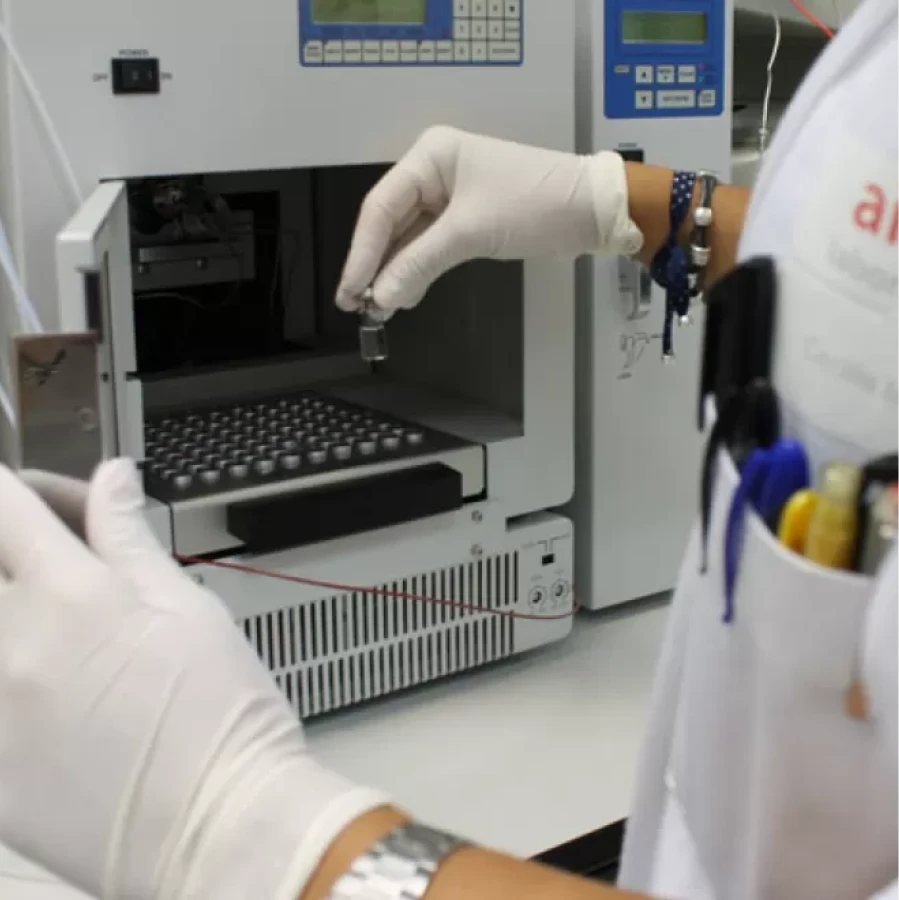
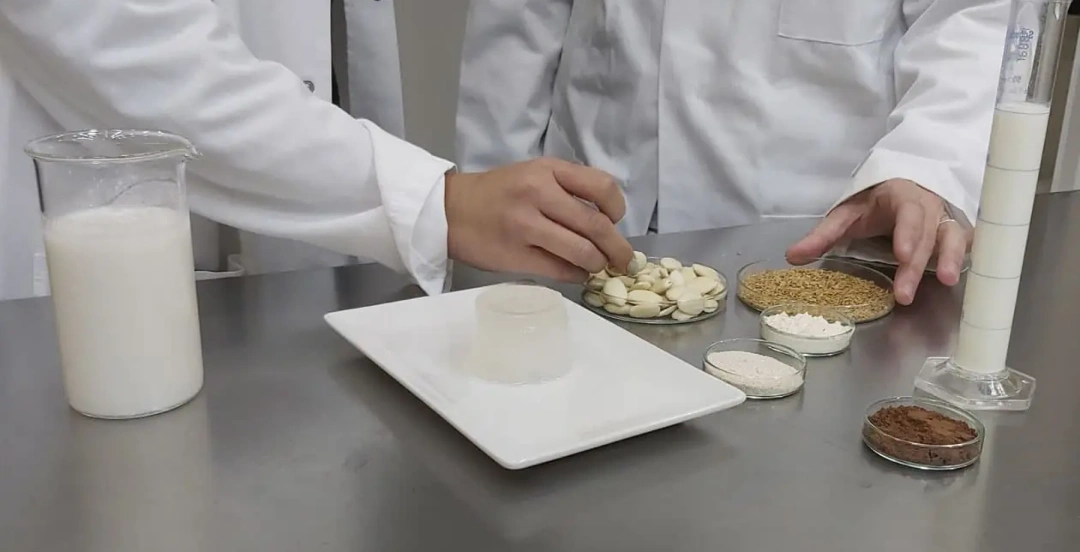
The evolution of production processes, the use of new materials, the diversification of raw materials and increasing regulatory and societal pressure are leading to the emergence of substances not covered by conventional analytical control plans.
These emerging contaminants may originate from various sources (environmental, technological, food contact materials, by-products or process contaminants) and, in many cases:
Approaches based exclusively on closed lists of regulated contaminants are insufficient to identify and characterise these types of substances, creating technical uncertainty in companies’ decision-making.
As examples of situations in which analytical services were not available at national or European level, we highlight the following cases in which AINIA was directly involved:
In the use cases section, we briefly describe how these situations were resolved.
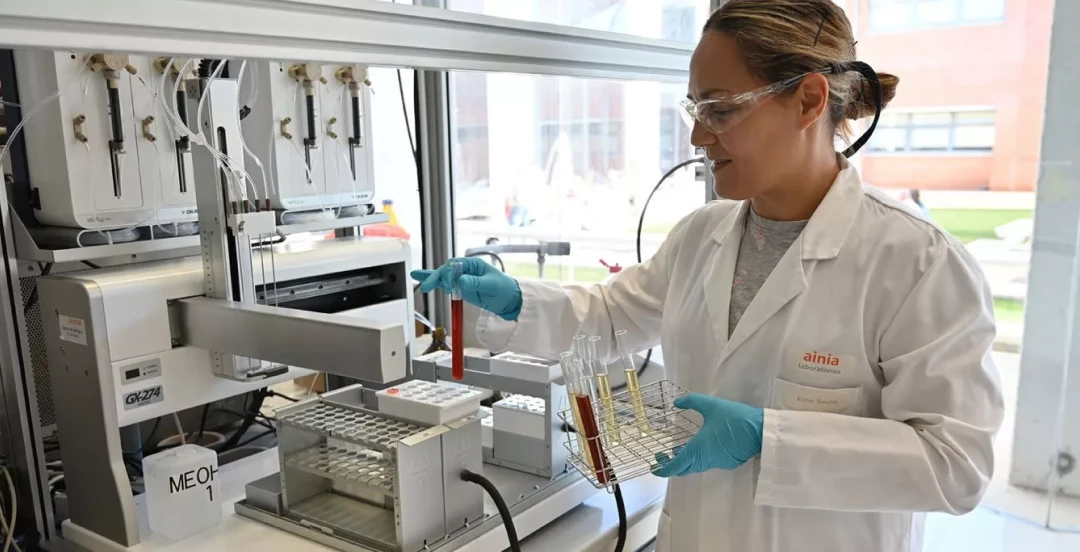
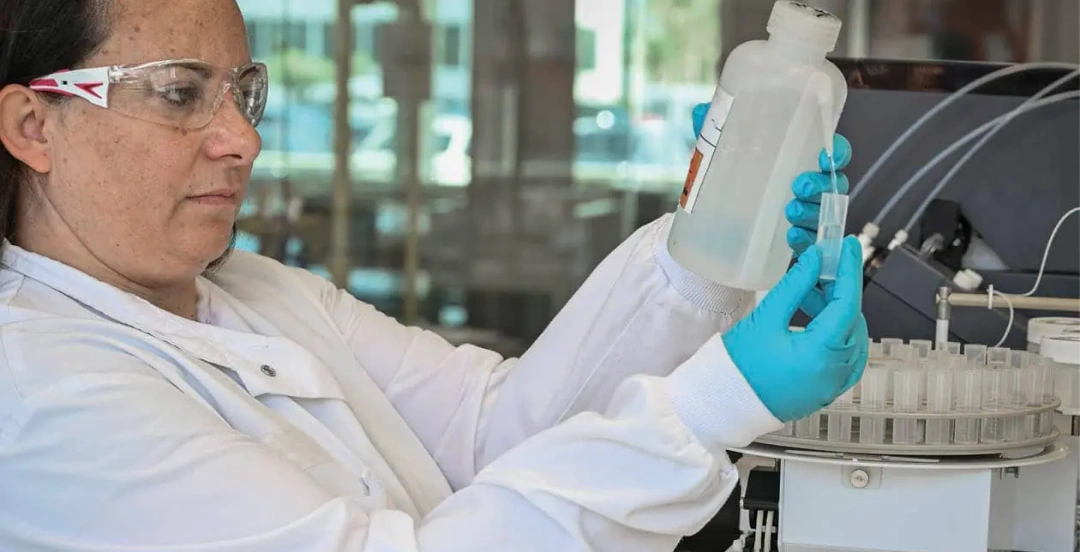
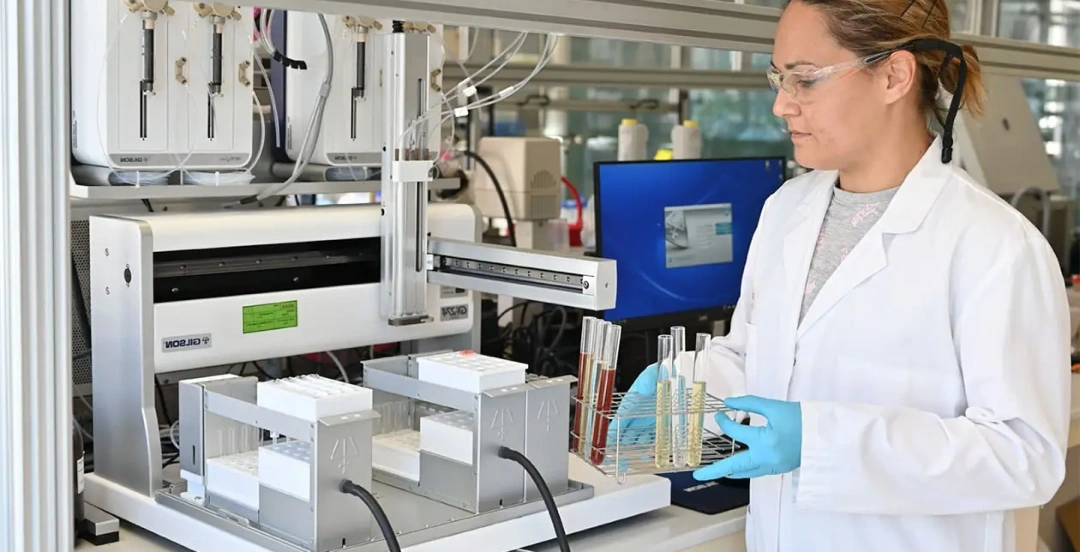
AINIA offers a specialised technical service for emerging contaminants, aimed at providing objective, contextualised information to support technical risk management.
AINIA's technical team's extensive experience in method development and optimisation enables it to adapt quickly to these situations, often urgent, and make the new service available within a few days.
The results obtained support internal processes for diagnosis, monitoring, prioritisation or informed decision-making.
Where applicable, tests are carried out under the laboratory's quality system in accordance with ISO/IEC 17025, without this automatically implying accreditation for all parameters or analytical approaches.

As examples of AINIA’s involvement in this type of situation, we highlight its role in three well-known food safety crises. In all three cases, analytical services for the substance of concern in the target matrix were either unavailable or very limited, at least at national level. The examples are:
In 2020, the ethylene oxide crisis arose following the detection of this contaminant, a biocidal substance whose use is prohibited in the EU, in sesame seeds from India. At that time, analytical services for the analyte and target matrix in the EU were limited to a single laboratory, which had not developed the method for other matrices. At AINIA, the method was developed for a wide range of matrices within a few days, implementing a GC-MS/MS-based technique. Subsequently, as border controls increased, it became clear that the crisis affected not only that product but also products from other origins, resulting in high demand for analytical services until the situation was brought under control.
In 2013, the well-known horse meat crisis broke out, creating a need for methods to analyse phenylbutazone, a veterinary medicine. As in the previous case, the necessary analytical service, based on LC-MS/MS, was developed urgently within a few days.
As a third example, in 2008, a food safety crisis occurred involving sunflower oil contaminated with mineral oil hydrocarbons. In this case too, analytical services were unavailable, at least at national level. The AINIA team developed the method for analysing MOH in oil using GC in two days.
Leave us your details and we will contact you to answer your questions or continue the conversation.