Not a partner company yet? Sign up here
AINIA / Laboratories / Technical assistance and studies / Hazard identification and risk assessment
Technical hazard analysis and support for food risk prioritisation

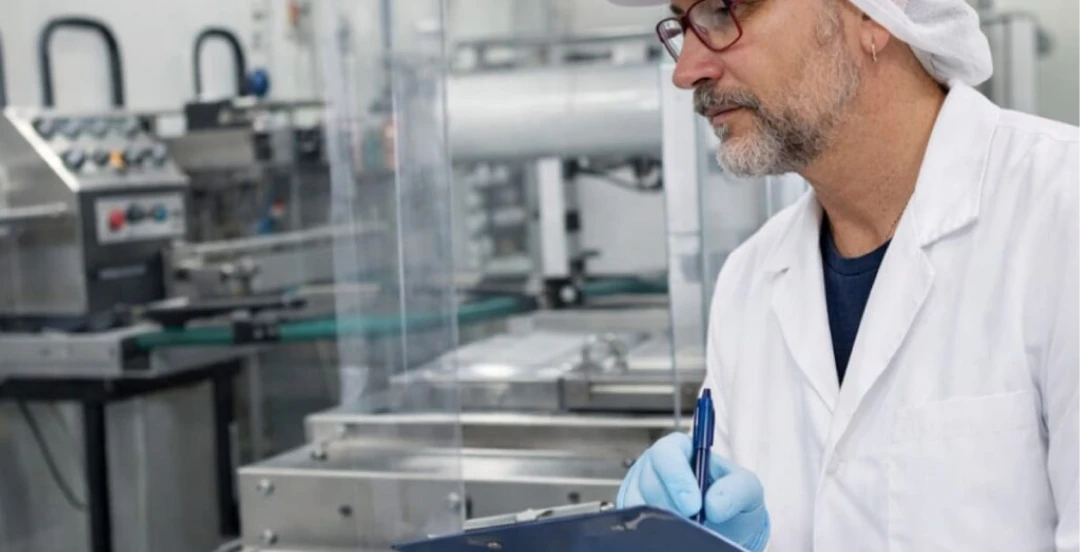

AINIA’s food hazard identification and semi-quantitative risk assessment service is based on the structured analysis of biological, chemical and physical hazards associated with products, processes and intended conditions of use.
The service combines systematic hazard identification with a semi-quantitative risk assessment, taking into account the likelihood of occurrence and the severity of potential health effects.
The approach is based on scientific and technical information, regulatory criteria, recognised guidelines and expert experience.
It provides a comparable, traceable risk assessment adapted to the specific context of each company.
The result is a solid technical basis for prioritising hazards and justifying decisions within food safety management systems.
Unlike an assessment based solely on expert judgement (qualitative), semi-quantitative assessment applies predefined scales and criteria to estimate likelihood and severity, providing greater comparability, traceability and consistency in hazard prioritisation.
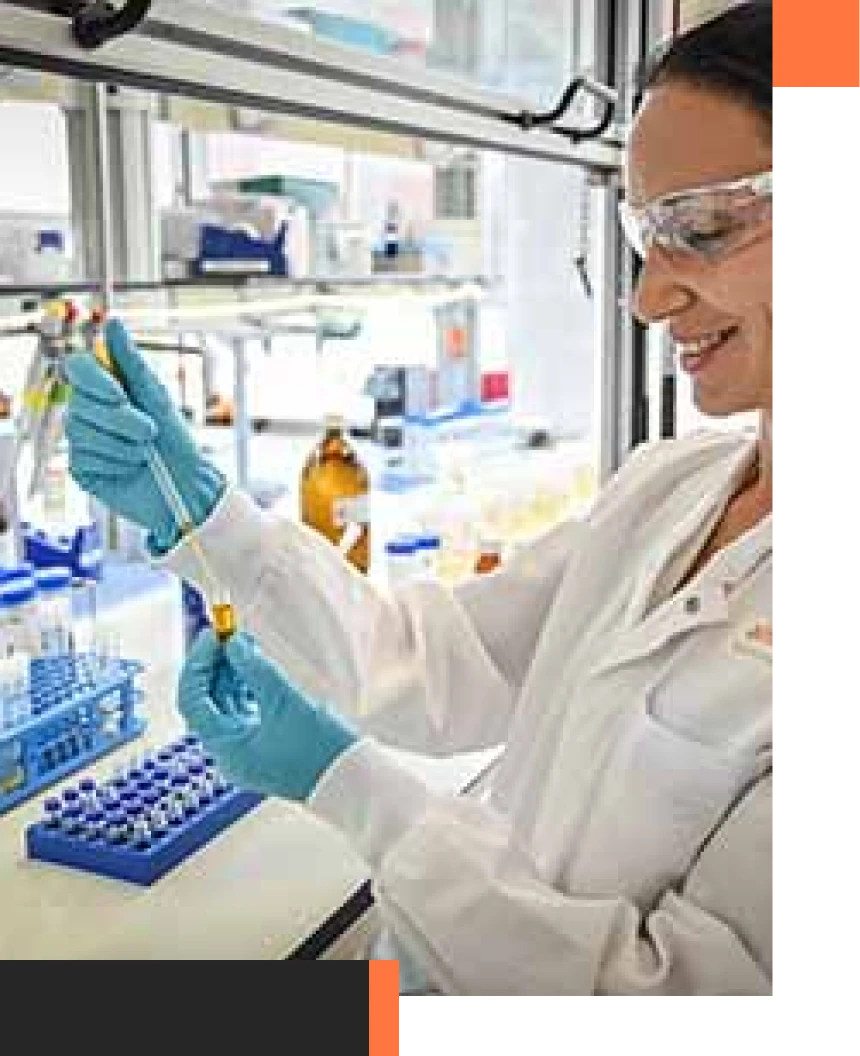
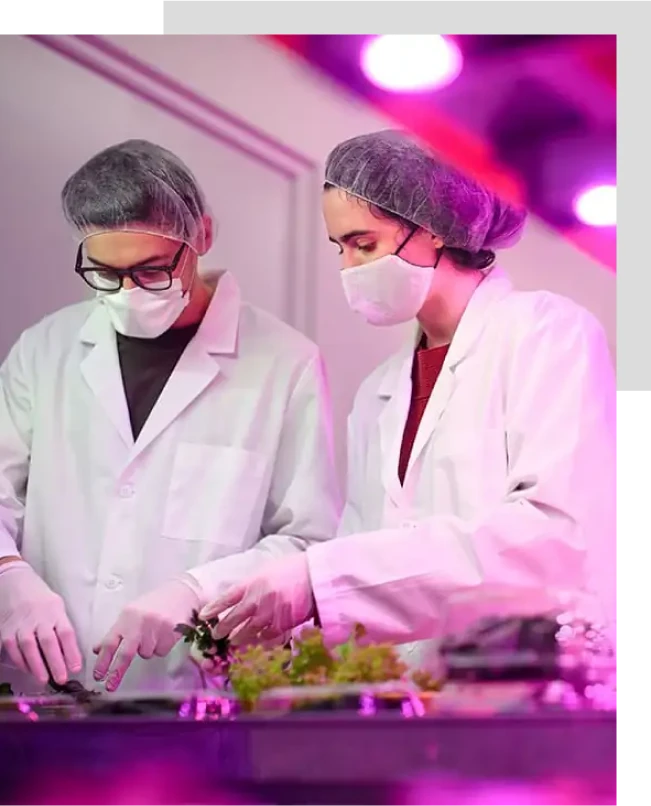
Food companies use this service to review their hazard analysis in the context of developing a new product or making a significant process change. Based on hazard identification and semi-quantitative risk assessment, the company prioritises those risks with the greatest potential impact and proportionately guides the definition of controls, ensuring the consistency and traceability of the decisions taken within the HACCP system.
Leave us your details and we will contact you to answer your questions or continue the conversation.