AINIA / Laboratories / Microbiology / Microorganism identification and strain screening
- Microbiology
Microorganism identification and strain screening
Microbiological analysis
Microorganism identification and applications of MALDI-TOF MS
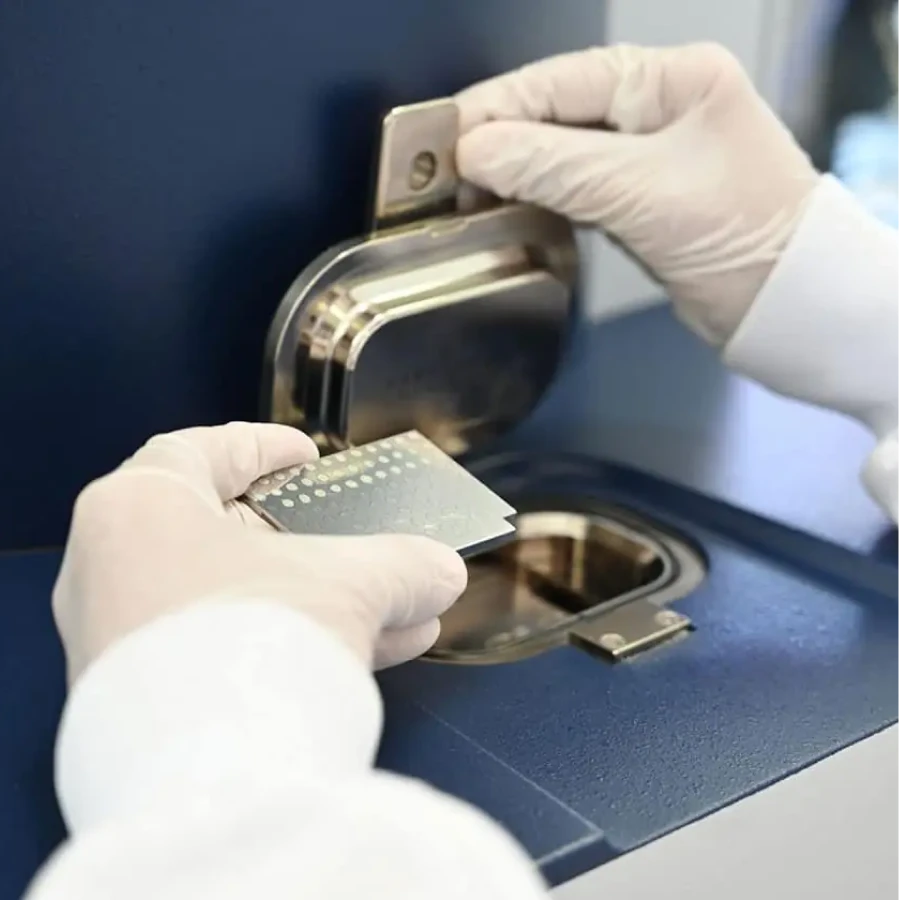
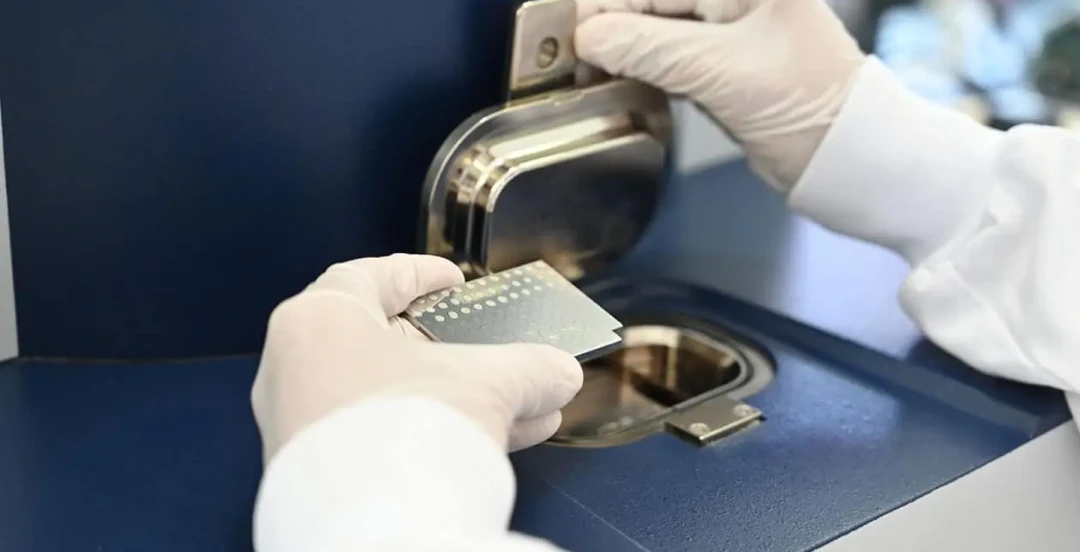
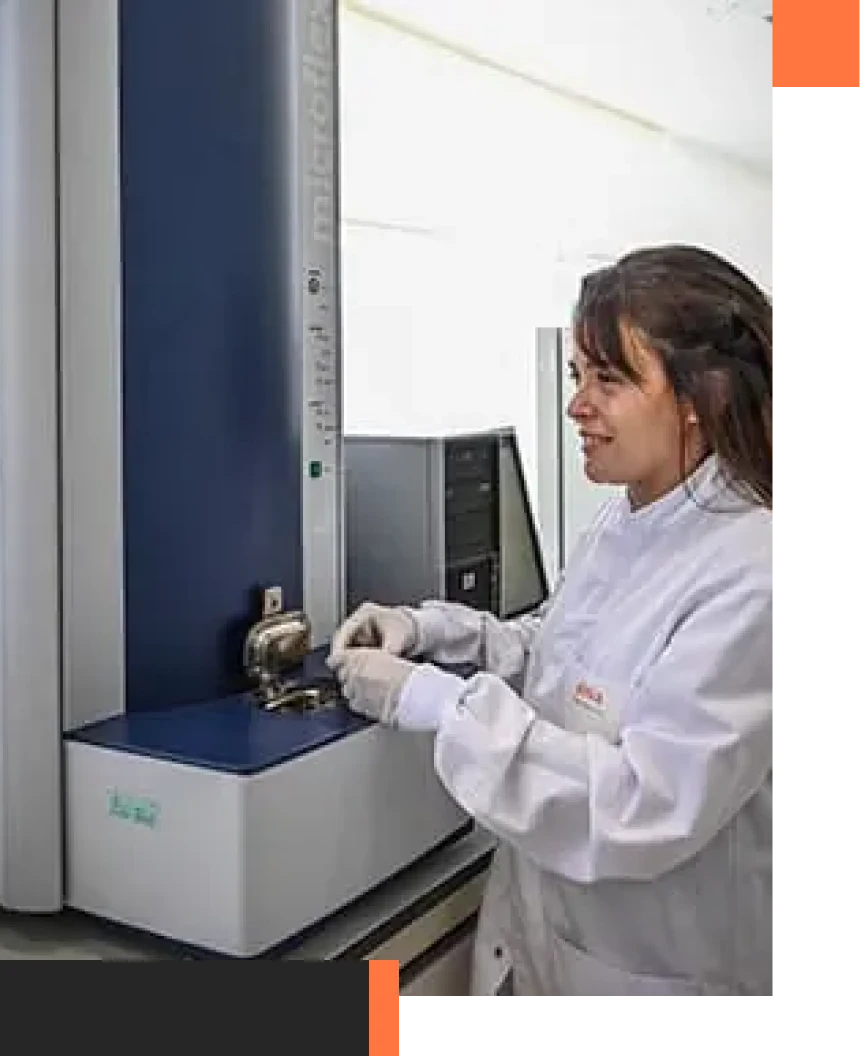
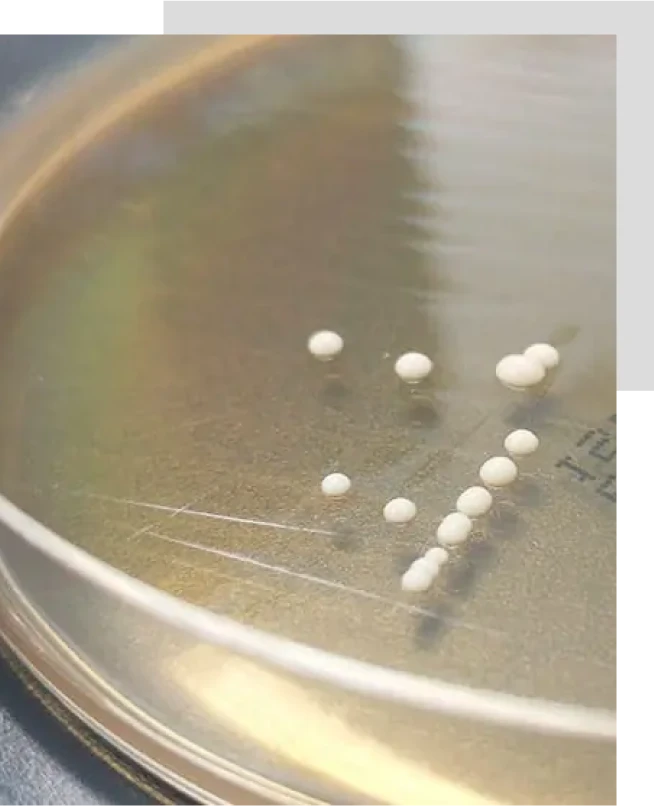
Rapidly identify the microorganism of interest using MALDI-TOF mass spectrometry techniques (MALDI-TOF MS).
Microorganism identification can be essential in different situations:- When a product is suspected of microbiological spoilage, in order to investigate the causes and implement the necessary corrective measures in the process.
- In order to analyse the microorganisms present on surfaces and in the environment during a product’s manufacturing processes.
- To characterise a microorganism of interest in our process, such as starter cultures.
- To establish traceability and determine, for example, whether a microorganism present in a product originates from a specific raw material.
- Determine whether the microorganism is pathogenic
- Characterise the composition of biofilms
Advantages of MALDI-TOF MS compared to conventional methods
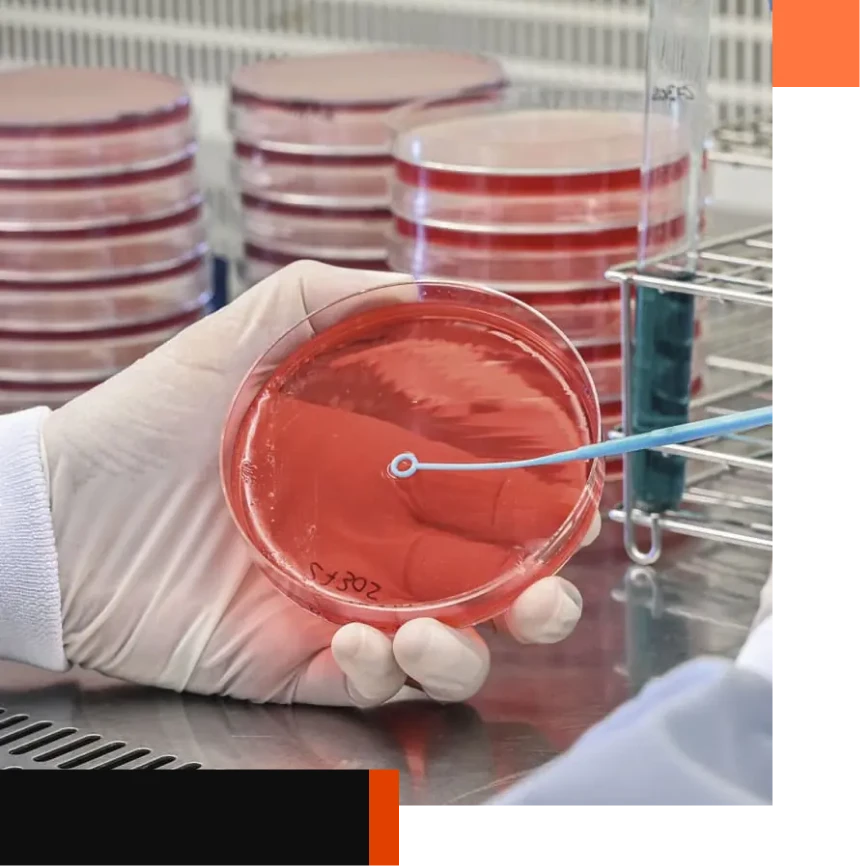
Before the introduction of MALDI-TOF MS, bacterial identification relied on methods developed by classical bacteriology. These methods presented several drawbacks, most notably the need, in most cases, for incubation periods of at least 16–18 hours, in addition to other technical limitations.
Compared to these conventional identification methods, MALDI-TOF MS offers clear advantages:
- It enables reliable identification within a short period of time, saving at least the 16–18 hours of growth required in biochemical identification systems.
- The analysis of the microorganism’s protein profile in the 2–20 kDa range, where most ribosomal proteins are found and on which this technique is based, provides a specific profile for the vast majority of bacterial species. This makes it possible to distinguish them from other species with a level of reliability similar to that offered by the most commonly used sequencing techniques (16S rRNA).
At AINIA, we add value
- We use the fastest and most reliable techniques, such as MALDI-TOF mass spectrometry, for microorganism identification.
- We provide access to our team of experts in microorganism identification (pathogens, spoilage organisms, starter cultures, etc.).
- Accredited to use MALDI-TOF mass spectrometry during the colony confirmation stage for Salmonella spp. and Listeria monocytogenes.
- Included in the “Microbiological Testing of Food” Accreditation Programme (NT-70.02). Testing for compliance with the microbiological criteria applicable to foodstuffs.
- We continuously expand the equipment database with the characterisation of new microorganisms isolated and identified in different studies and research projects.
-
We offer a screening service using REP-PCR, which allows comparison of different microorganisms identified as belonging to the same species in order to determine whether they correspond to the same strain.
This service facilitates the interpretation of results obtained in contamination diagnostics in companies, clarifies doubts regarding the identity and authenticity of starter cultures, and helps determine the origin of potential contamination sources in spoiled products or those containing pathogens.
Microorganism identification
Our solutions include:
- Initial consultancy to determine the most suitable identification technique in each case.
- If results are inconclusive, we offer identification services based on sequencing.
- Support in sample logistics management to ensure appropriate sampling, conditioning, transport and reception conditions so that samples arrive in optimal condition for analysis.
- Analyses are carried out using the most appropriate techniques, combining high reliability with costs and timelines tailored to your needs.
- Issuing results through secure and accessible platforms based on modern information and communication technologies
-
Advice for correct interpretation of the results obtained
Would you like to know more?
Leave us your details and we will contact you to answer your questions or continue the conversation.
Sonia Marco
Head of Microbiology Laboratory