Optimising water use can reduce supply, treatment and wastewater treatment costs, as well as improve the ability to respond to restrictions on water availability. To identify viable opportunities, you need to understand your water consumption, the quality required for each process and the impact of improvements on the facility as a whole.
Water is used at multiple stages of food production, such as raw material washing, hydraulic transport, cooking, cooling and cleaning. Its management affects both operational efficiency and process safety. Therefore, reducing water consumption requires a multidisciplinary approach covering everything from water intake to effluent treatment.
Efficient water management requires sufficient data to decide where to take action and which solutions can deliver sustainable savings over time.
Understanding where water is consumed and what quality you need
A plant’s total water consumption provides an initial reference, but it is insufficient to identify opportunities for improvement. It is advisable to analyse the process flow diagram, measure flow rates at the different stages and characterise incoming and outgoing streams. You should also consider auxiliary services, such as cooling systems and equipment cleaning.
This information makes it possible to distinguish between high-consumption areas with scope for optimisation and points where improvements would have a limited impact. Relating water consumption to production volume also helps assess changes in efficiency as the plant’s activity changes.
One of the first opportunities may lie in incoming water treatment. Reviewing equipment performance and checking the water quality required for each use makes it possible to assess whether the entire flow needs to undergo the same treatment. Adjusting the configuration can reduce reject water and unnecessary consumption while maintaining the requirements of each application.
Segregating water streams to assess their recirculation
Water from different processes can have very different compositions. Wash water containing sand and coarse solids requires a different approach from a process stream leaving cutting equipment or cooking water, where there is a high concentration of soluble organic matter.
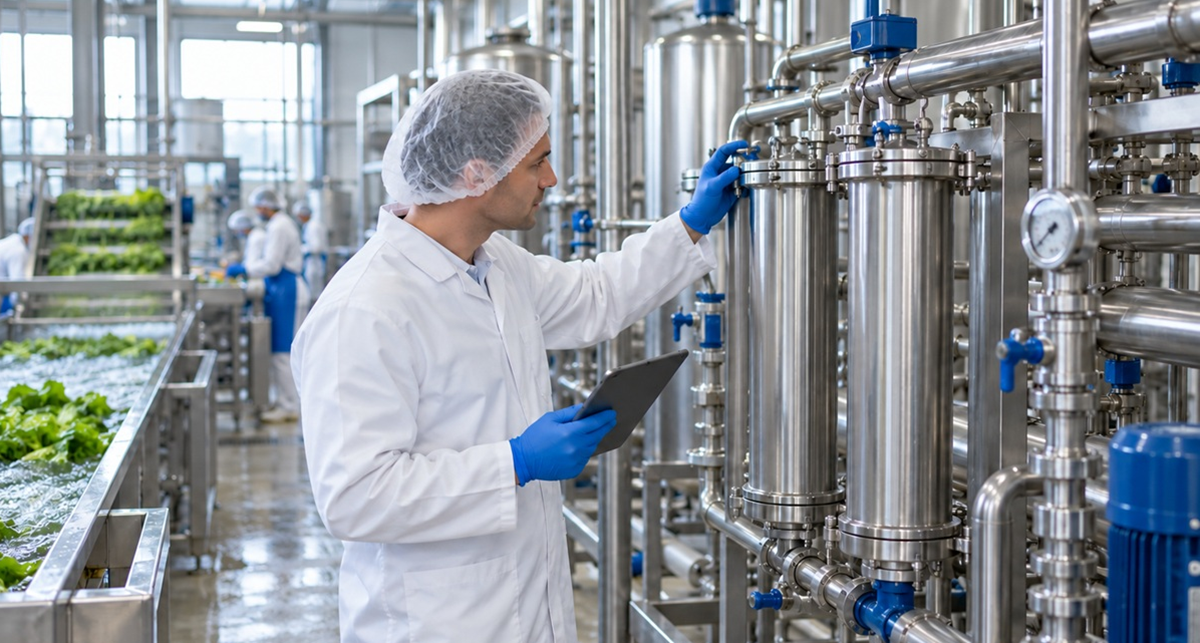
Separating them before they are mixed can facilitate specific treatments and create opportunities for recirculation. Depending on their composition and intended use, solid separation, filtration, membrane treatment or disinfection processes can be considered. The selection should be based on characterisation and tests using representative samples.
Quality must be maintained up to the point of use. Storage can introduce risks of “recontamination”, and recirculation can encourage the accumulation of substances. Sensors and parameter monitoring help determine when to replace the water or carry out purging.
It is also necessary to review the applicable regulatory framework. The Water Reuse Regulation approved by Royal Decree 1085/2024 excludes certain cases of recirculation within the industrial activity itself from its scope. This exclusion does not remove the need to assess the health and food safety requirements applicable to the intended use.
Improving cleaning through hygienic design
Cleaning links water consumption with energy, chemicals and equipment availability. A facility that makes residue removal difficult may require longer cleaning cycles and greater resource consumption.
Hygienic design improves accessibility and facilitates cleaning. In practical applications of these improvements, reductions in cleaning water consumption of between 40% and 50% have been achieved. These results correspond to the conditions studied and must be validated for each facility.
Reducing the volume of water that needs to be heated can also reduce energy demand. If cleaning times are shortened while maintaining cleaning effectiveness, equipment availability for production increases.
Assessing the impact on wastewater treatment and costs
Improvements must be assessed across the entire plant. Reducing the flow reaching the wastewater treatment plant does not necessarily mean reducing its pollutant load by the same proportion. If this load remains unchanged, the effluent concentration may increase and alter treatment conditions.
The economic analysis must consider the full investment and operating costs: energy, consumables, maintenance, controls and management of the streams generated. Savings in water supply and wastewater treatment must be weighed against these costs and the constraints of space and integration.
A roadmap for making progress based on data
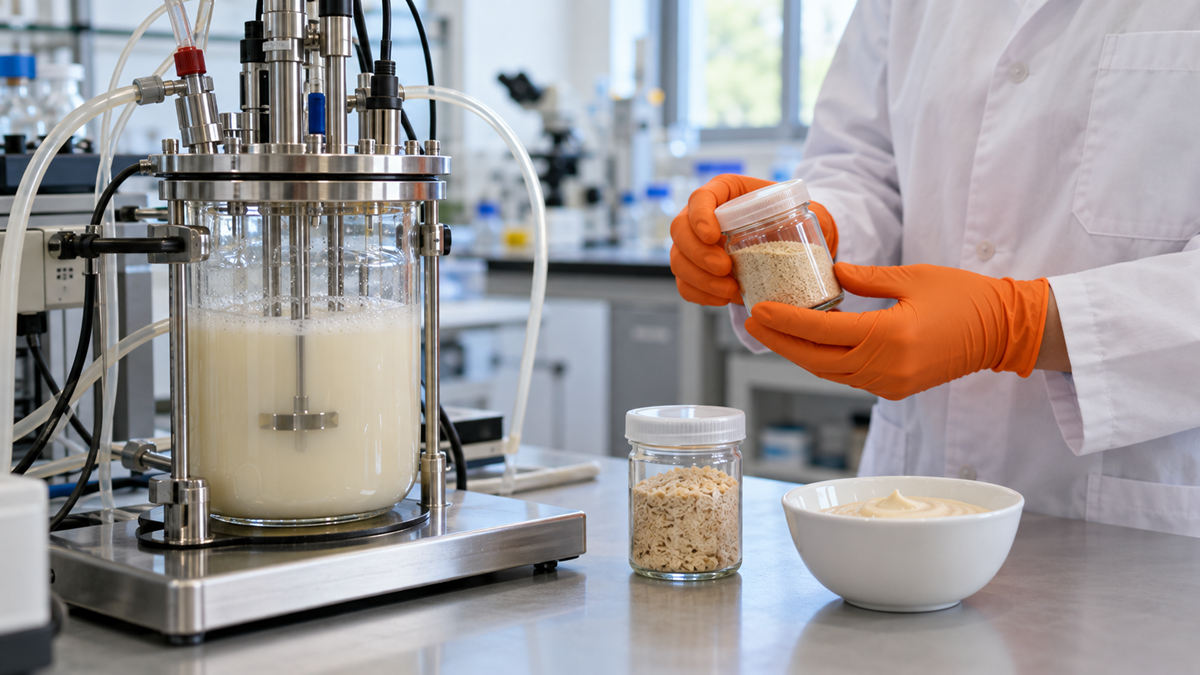
AINIA supports companies in diagnosing their processes, characterising water, selecting alternatives and validating them through testing and pilot trials. It can also support the definition of technical requirements and the review of engineering proposals to facilitate the transition to industrial scale.
If you want to improve water efficiency at your plant, the first step is to identify which streams offer the greatest potential and what conditions they must meet. With this information, you can prioritise investments and move towards water management that contributes to your company’s competitiveness.