Not a partner company yet? Sign up here
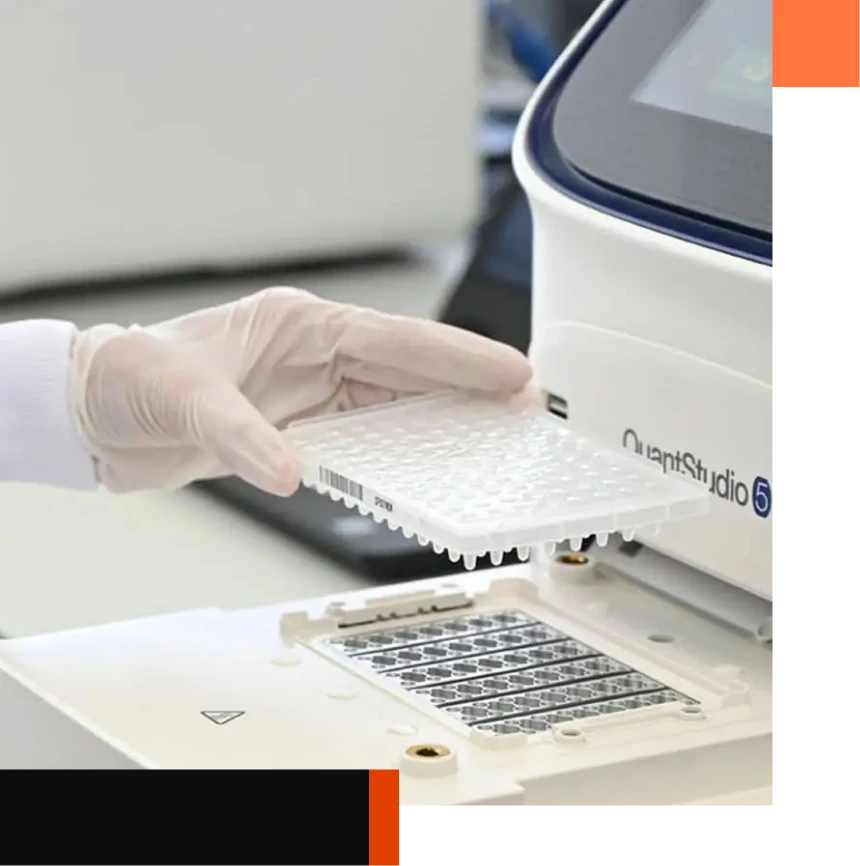
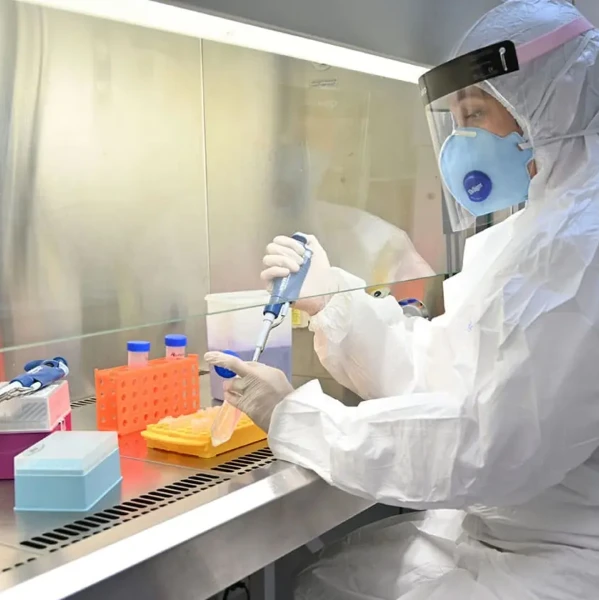
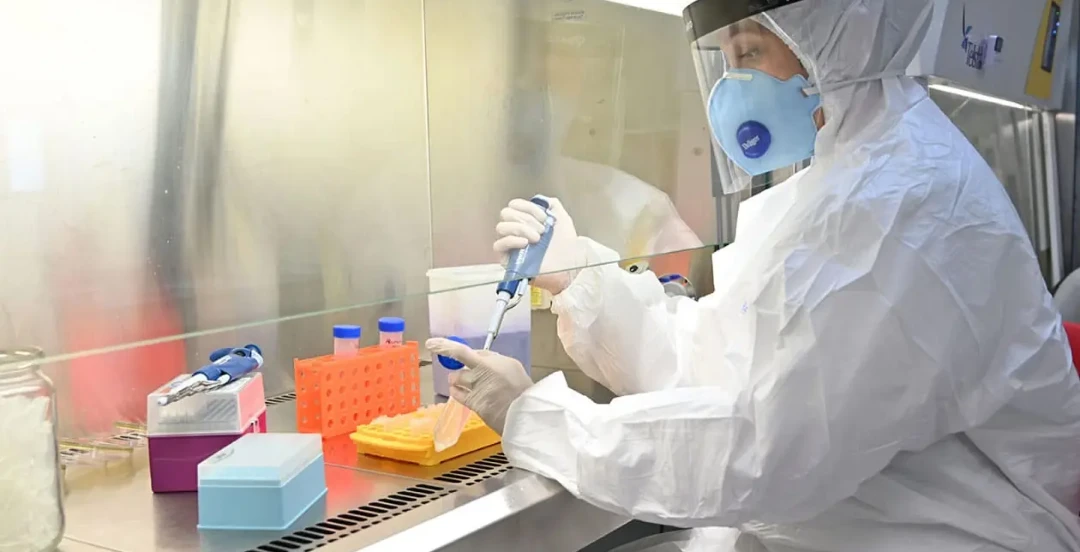
We help you prevent these outbreaks through testing for the detection of Norovirus GI / GII and hepatitis A virus in food and bottled water.
The presence of enteric viruses, particularly human noroviruses and hepatitis A virus, in food contaminated with faecal matter can cause foodborne gastroenteritis and enteric hepatitis. The foods most frequently associated with gastroenteritis and hepatitis are those contaminated at source, such as bivalve molluscs, salad vegetables and berries that are eaten raw or lightly cooked. However, although to a lesser extent, these viruses may also be present in food contaminated through improper handling after cooking.
It is therefore necessary to control their presence using sufficiently sensitive methods to detect these agents in food even at very low levels, since they are highly infectious microorganisms (they can infect even at very low ingestion doses).
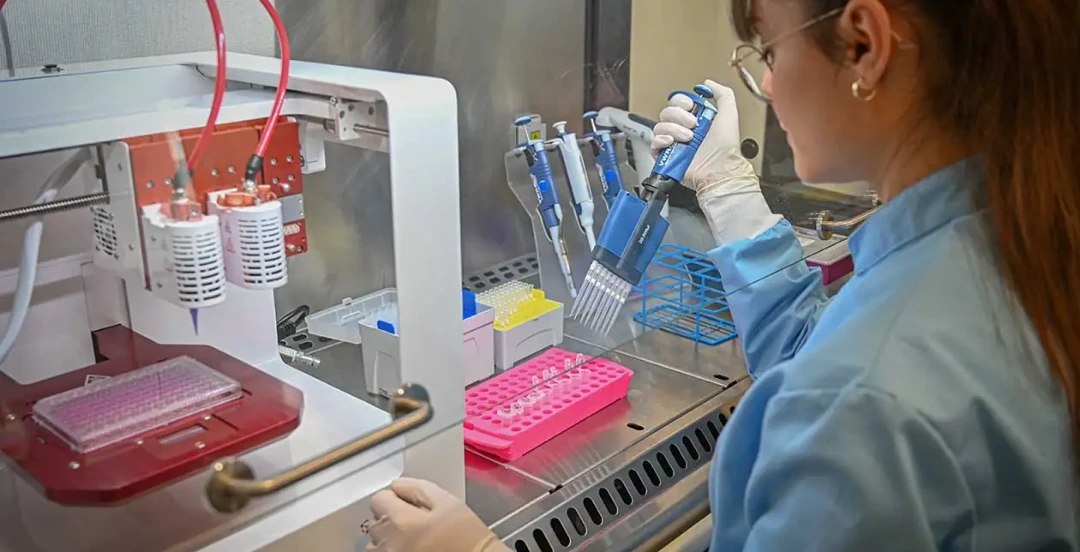
Our extensive experience in virus analysis has also enabled us to analyse other viruses, such as SARS-CoV-2 and its variants, both on surfaces and in wastewater, as well as to develop and optimise the analysis of hepatitis E virus in meat products.
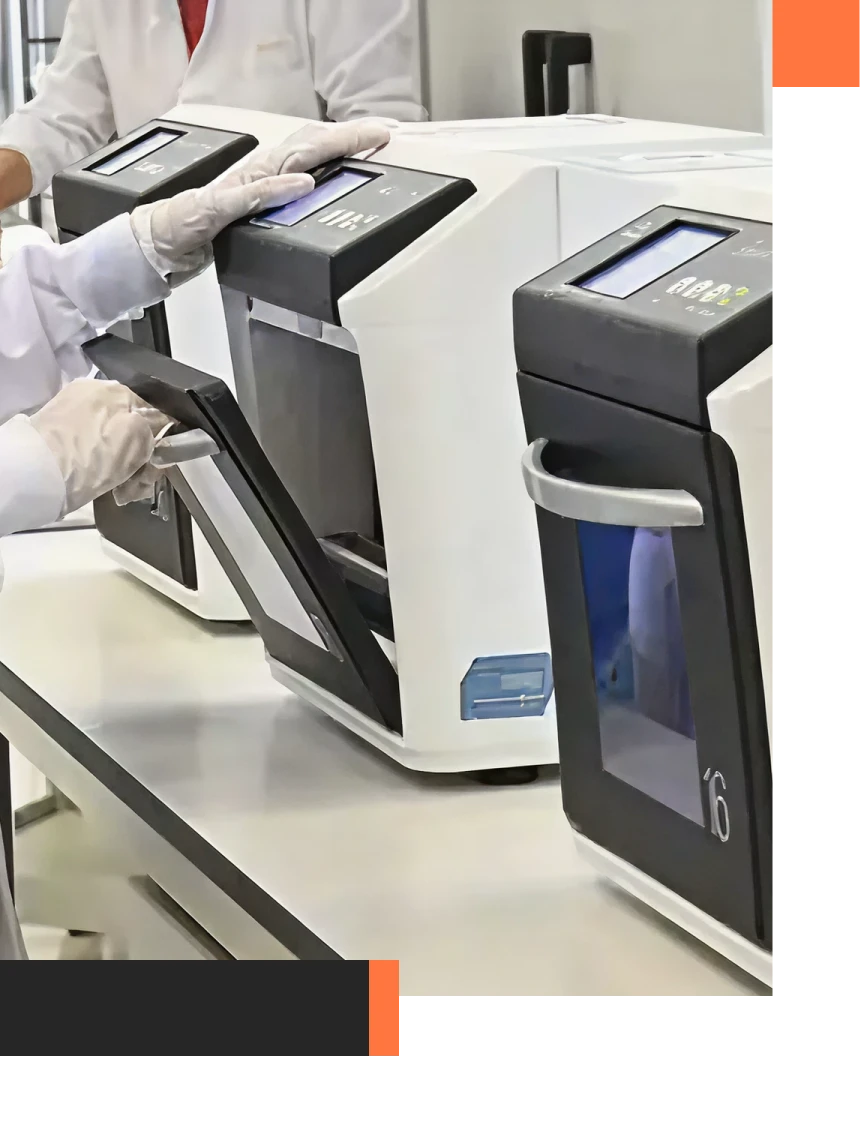
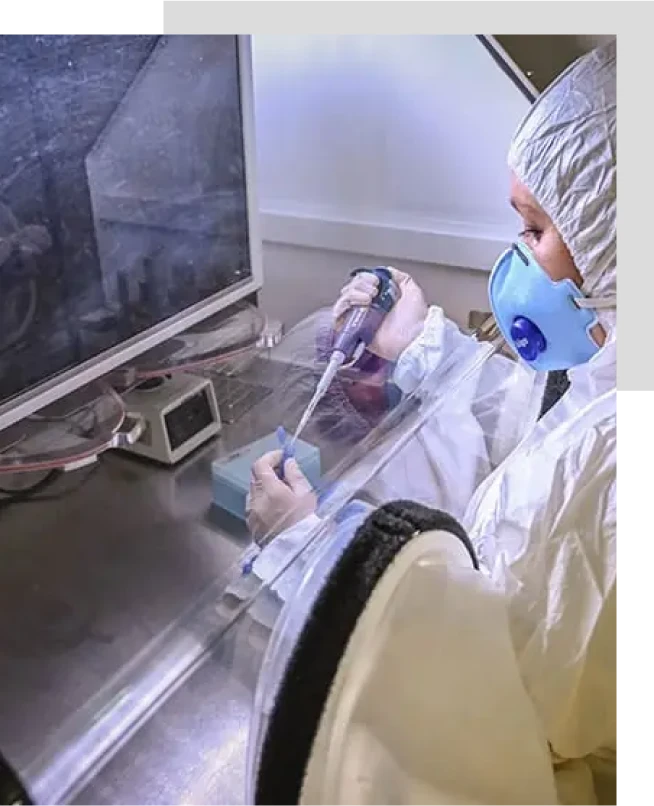
Our solutions include:
Leave us your details and we will contact you to answer your questions or continue the conversation.