Not a partner company yet? Sign up here
AINIA / Laboratories / Physico-chemical / Food fraud and adulteration
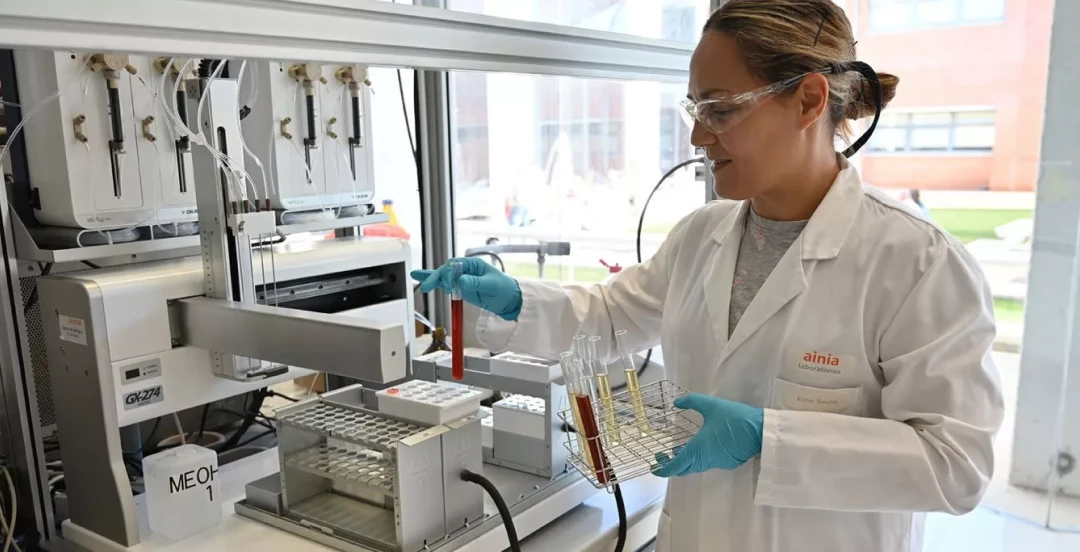
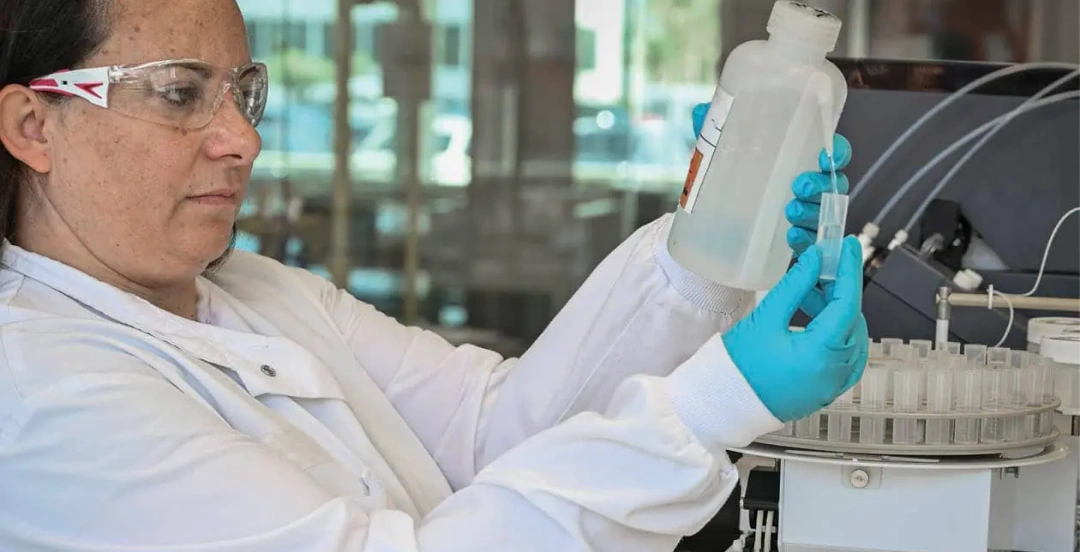
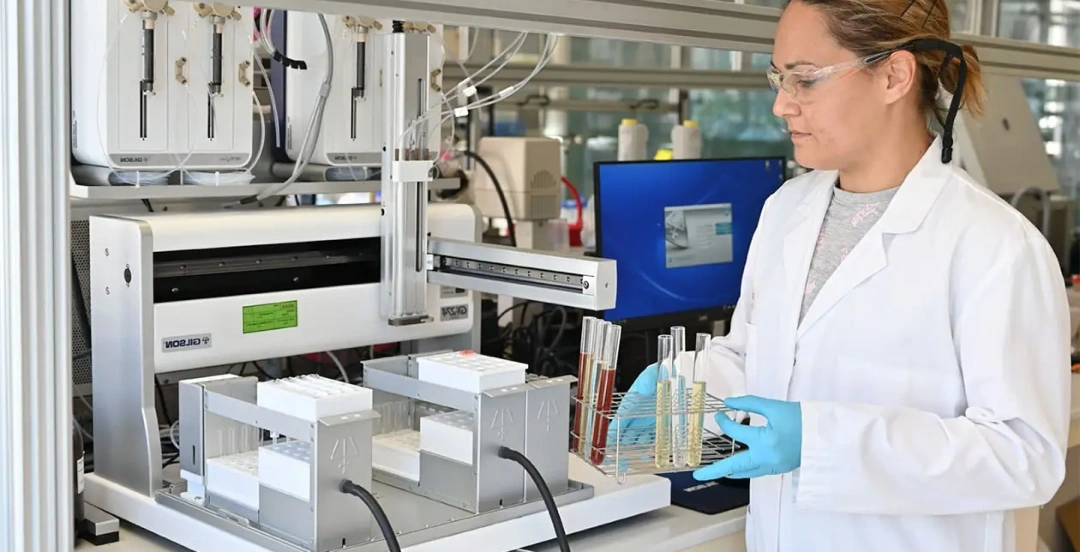
Analytical and technical support for the identification and characterisation of fraudulent practices and deviations from authenticity in food and ingredients.
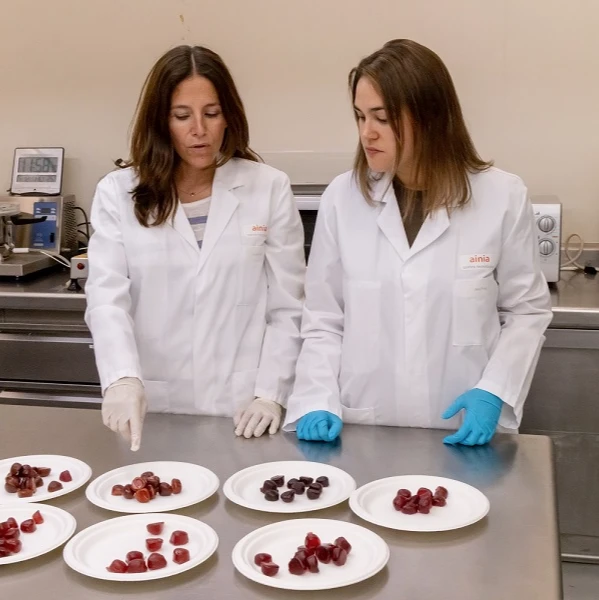

AINIA offers a specialised technical service aimed at generating objective analytical evidence to support the assessment of the authenticity and compliance of food and ingredients.
The results are used for internal processes involving diagnosis, supplier verification, vulnerability assessment or informed decision-making.
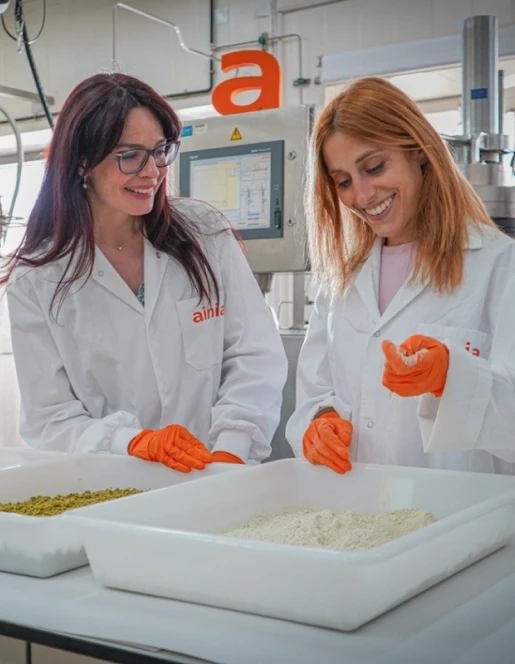

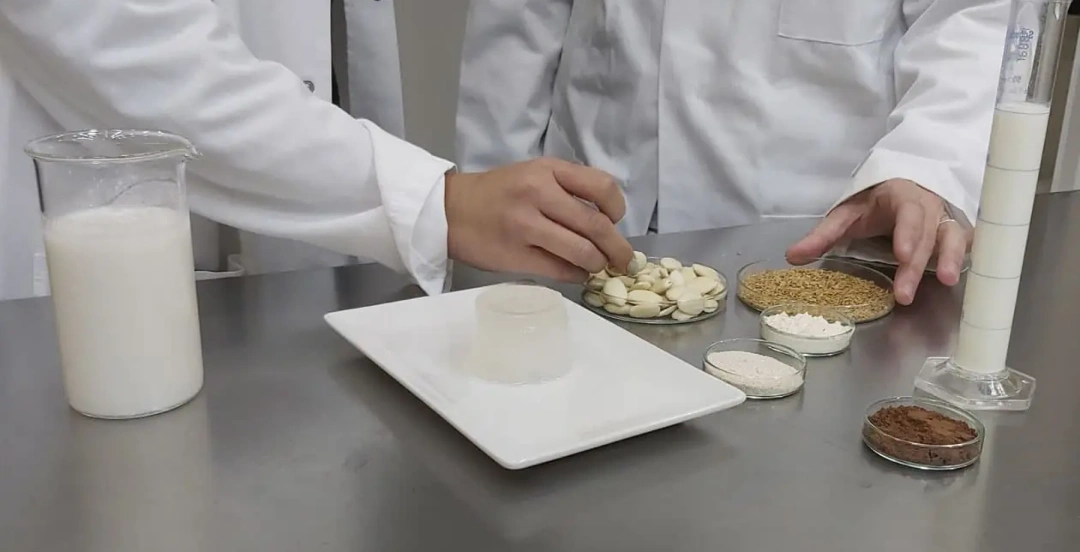
A food business operator detects recurring deviations in the quality parameters of a critical raw material sourced from different suppliers. Through the fraud and adulteration detection service, a comparative analytical study is carried out to identify significant differences in the product profile. This information is used as a technical basis for reviewing supplier approval, adjusting specifications or intensifying controls, without replacing the responsibilities of the operator or the actions of the authorities under any circumstances.
Leave us your details and we will contact you to answer your questions or continue the conversation.