What relationship exists between what we eat, the microorganisms that inhabit our gut and processes such as memory, attention or stress? Understanding these connections is an area of growing scientific interest and a line of research that AINIA has been working on for years.
On the occasion of World Mental Health Day, which will be celebrated on 10 October, AINIA is focusing on NeurOmics and Disbiosis II, two projects that address this issue from complementary perspectives.
Both initiatives are based on an integrated view of health, in which the body is understood as an interconnected system where diet, metabolism, gut microbiota and different biological responses can influence one another.
The challenge is to better understand these relationships and, above all, to generate evidence that makes it possible to identify the mechanisms involved. It is not a matter of attributing a direct effect on mental well-being to a specific food or microorganism, but of studying a complex network of biological interactions involving numerous factors.
From what we eat to how our body responds
The relationship between diet and health does not end with the nutrients contained in a food. After ingestion, digestion and metabolic processes begin, in which the gut microbiota also participates, a complex community of microorganisms whose composition and activity can be influenced, among other factors, by diet.
The compounds derived from these processes can interact with different organs and systems. Among the lines of research being investigated is the connection between the gut and the brain and the role played in it by diet, the microbiota and the metabolites generated during their activity.
It is also a dynamic ecosystem subject to a high degree of individual variability. Diet is only one of the factors that may play a role alongside age, lifestyle, environment or each person’s own characteristics. This complexity makes it necessary to study these relationships through multidisciplinary approaches.
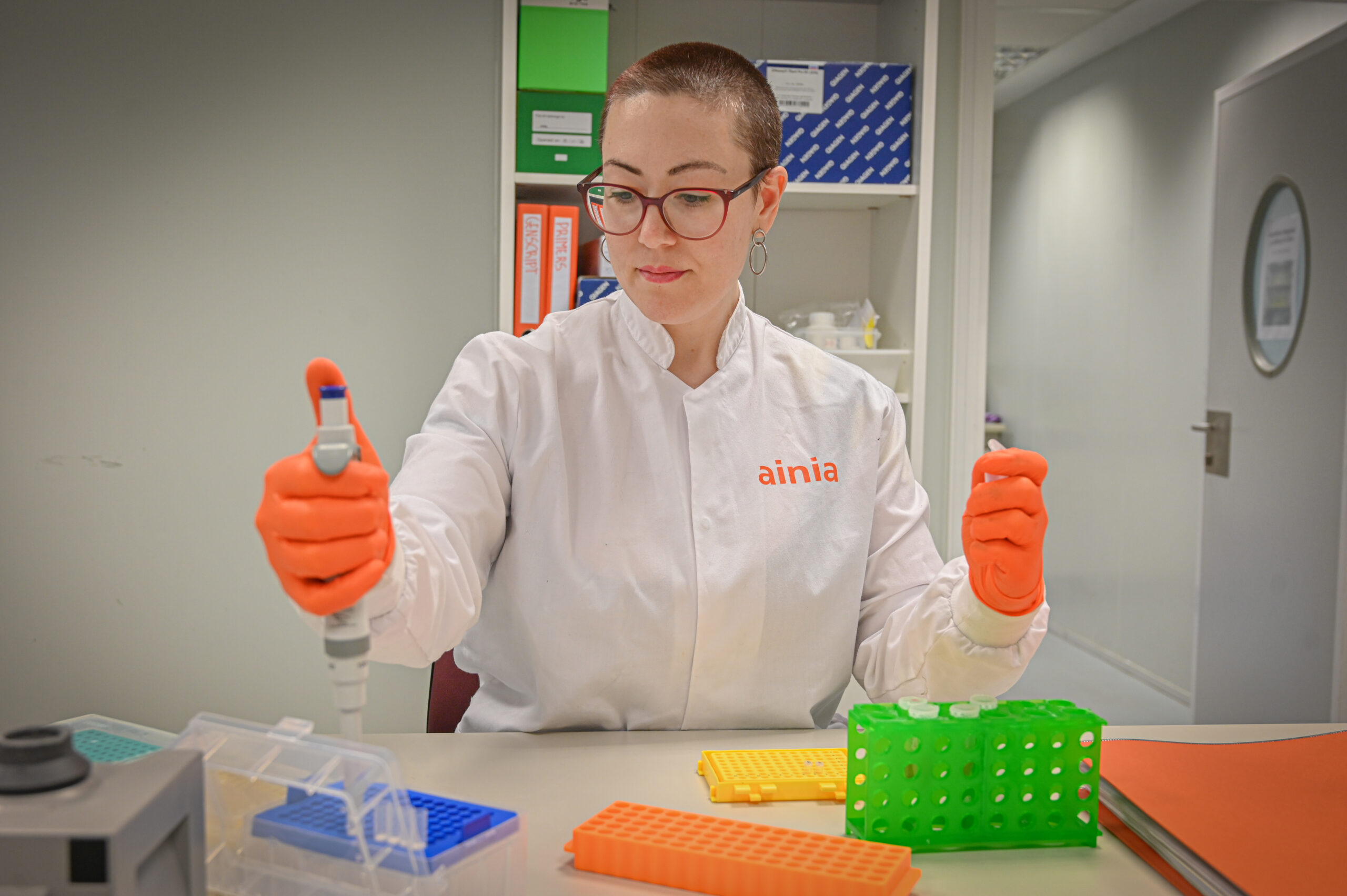
NeurOmics: diet, cognitive health and stress
One of the initiatives in which AINIA is currently participating is NeurOmics. A collaborative scientific and technological network, funded by the Centre for the Development of Industrial Technology (CDTI), of the Ministry of Science, Innovation and Universities, within the framework of the CERVERA Networks of Excellence programme, which integrates omics technologies, artificial intelligence and precision nutrition to develop and validate functional ingredients and foods aimed at improving cognitive health, memory, resilience and stress management.
The Network, coordinated by CNTA with the participation of AZTI, AINIA, ANFACO-CYTMA, Eurecat and ASINCAR, seeks to generate new scientific knowledge about these relationships by combining nutrition, biotechnology and advanced technologies. The objective is not only to observe possible effects, but to explore in greater depth the processes that may occur between the consumption of certain dietary components and the body’s response.
This approach can contribute, in the medium and long term, to strengthening the scientific basis needed to research and develop new foods and ingredients aimed at cognitive health and well-being.
Disbiosis II: exploring the role of the gut microbiota in greater depth
This approach is complemented by the Disbiosis II project, with the support of IVACE and funded by the European Union through the FEDER Comunitat Valenciana 2021-2027 Programme. A project that focuses on another key element of this system: the gut microbiota and its relationship with different functions and organs.
When the balance of this microbial community is altered —a phenomenon known as dysbiosis—, scientific interest is not limited to identifying which microorganisms are present, but also to analysing their activity, the metabolites they generate and how these can interact with different tissues and systems.
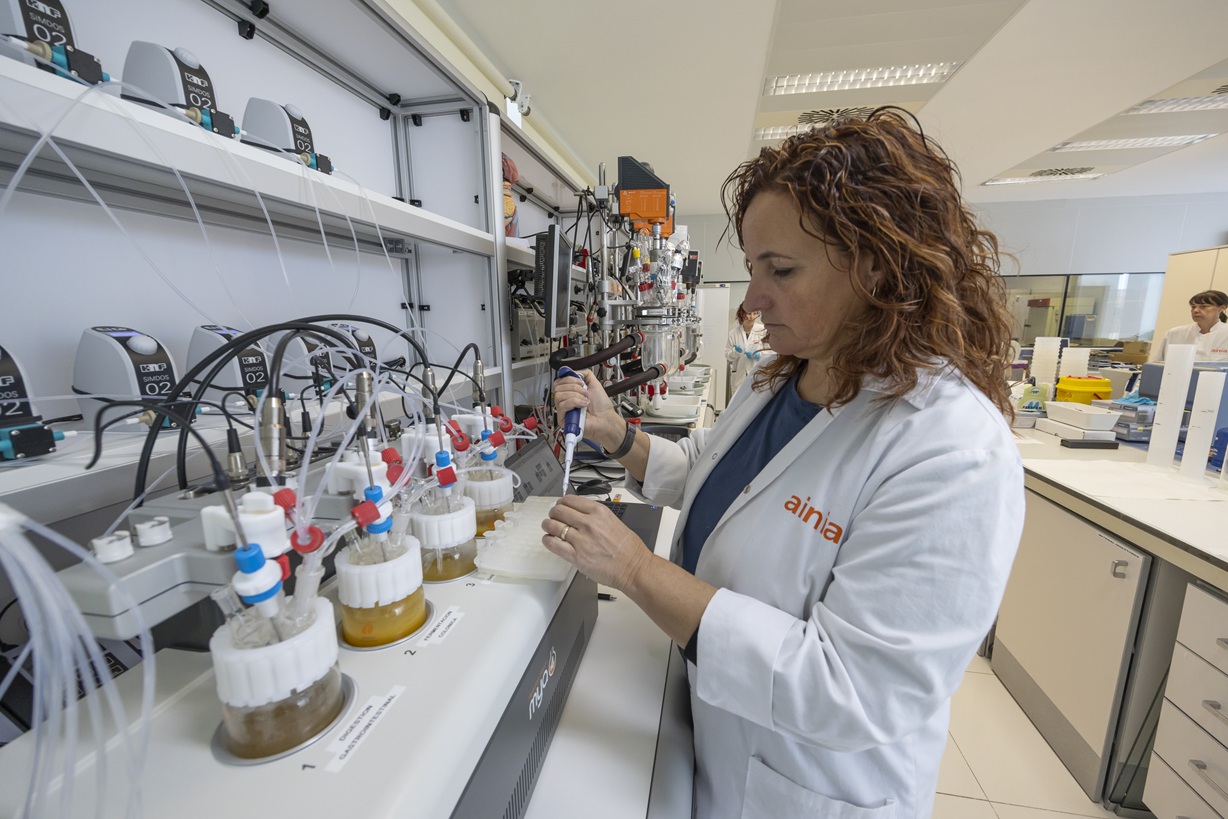
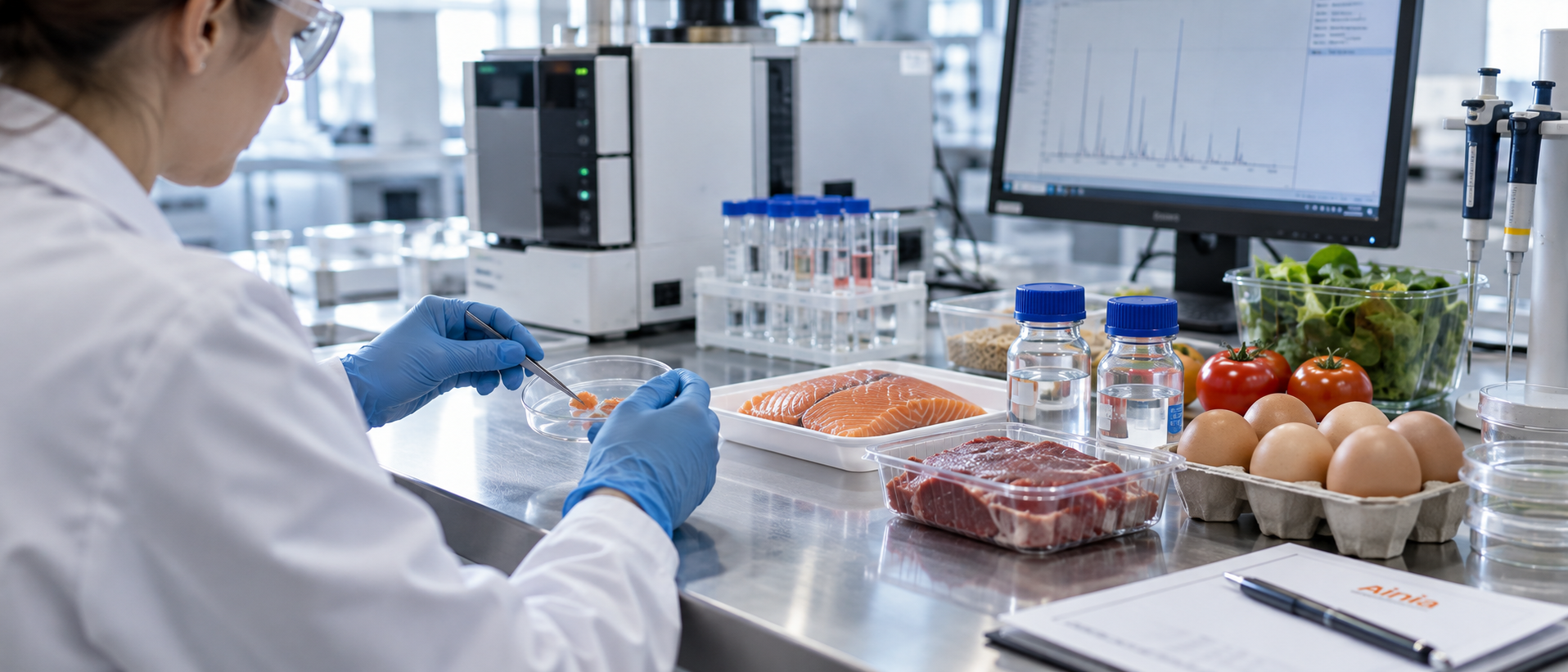
Both projects are part of a broader AINIA line of research that encompasses advanced in vitro models of digestion, colonic fermentation and cellular response, as well as omics techniques, with the aim of studying the biological functionality of foods and ingredients and their relationship with the microbiota and different target organs, in order to transfer these advances to the food industry.