Not a partner company yet? Sign up here
AINIA / Laboratories / Microbiology / Spoilage
Analysis of pathogenic microorganisms
Verify the safety of your products, ensure food safety, protect consumer health.
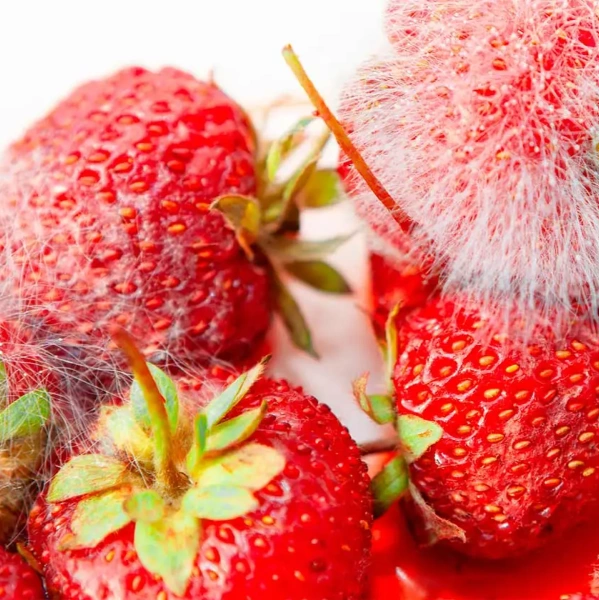
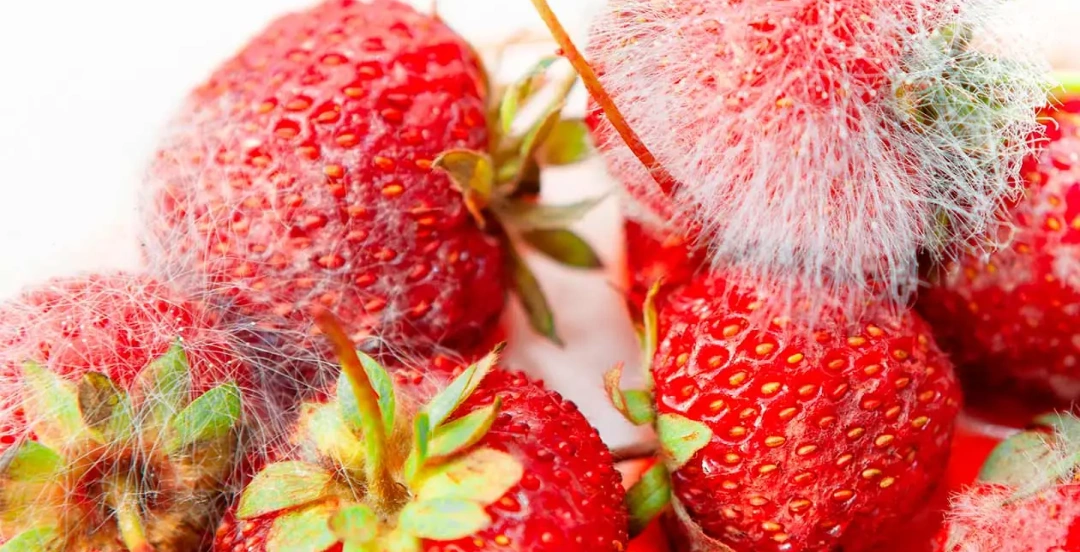
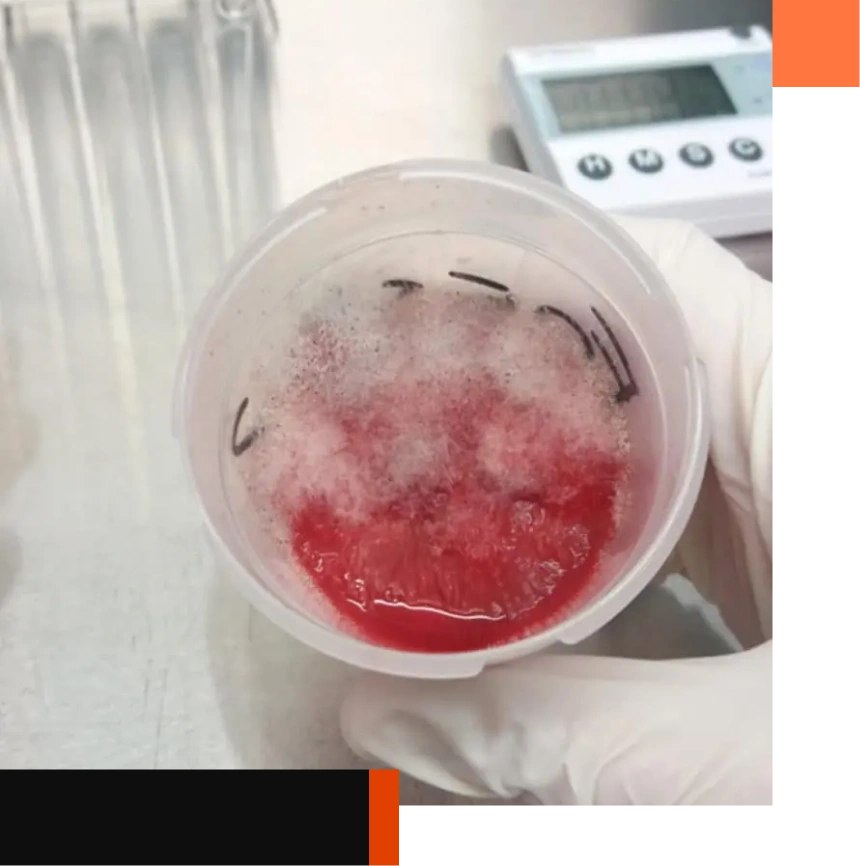
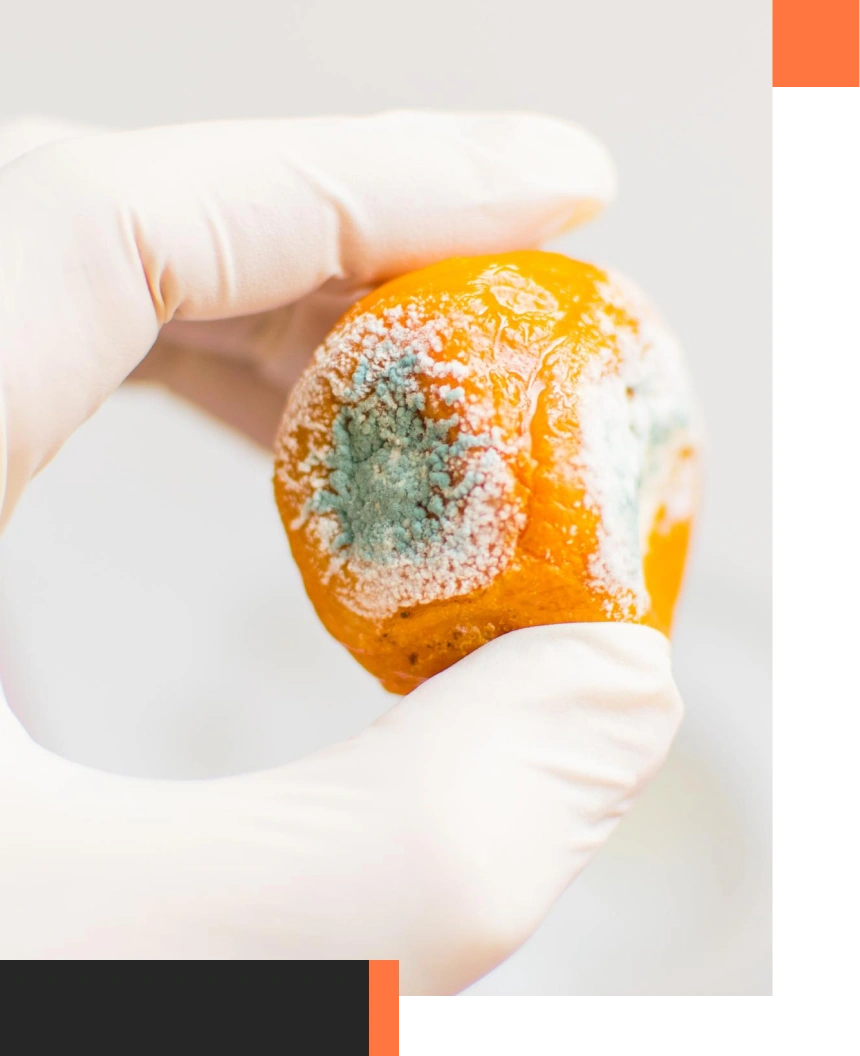
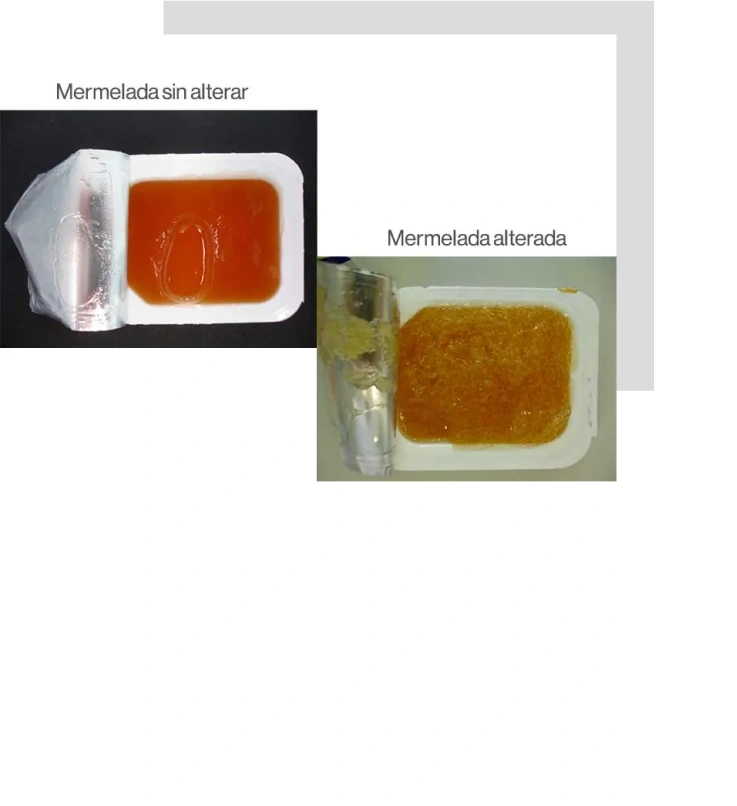
Even without compromising the food safety of our products, spoilage microorganisms can make them unacceptable to consumers. Controlling the presence and levels of spoilage microorganisms in food helps prevent the loss of commercial value of products throughout their shelf life.
Food spoilage depends on the product’s own characteristics, the microbiota present, and the surrounding environmental conditions. Depending on these factors, different microorganisms may develop in products, some of which can cause spoilage or deterioration. These microorganisms may be present in raw materials or may contaminate the food at some stage of the processing chain. Their presence is difficult to avoid, and once the food is contaminated, if it is stored for extended periods under conditions favourable to microbial growth, it will ultimately become unacceptable to the consumer.
Analytical control of spoilage microorganisms helps prevent the loss of commercial value of products before the end of their shelf life, as well as potential damage to brand reputation and consumer trust.
Our solutions include:
Lactic acid bacteria, moulds and yeasts, osmophilic yeasts, ethanol-resistant yeasts, Alicyclobacillus spp. and Zygosaccharomyces rouxii.
Leave us your details and we will contact you to answer your questions or continue the conversation.