AINIA / Laboratories / Microbiology / Metagenomic analysis of microorganisms in food and on surfaces
- Microbiology
Metagenomic analysis of microorganisms in food and on surfaces
(sequencing)
Advanced characterisation of microbial communities using sequencing techniques
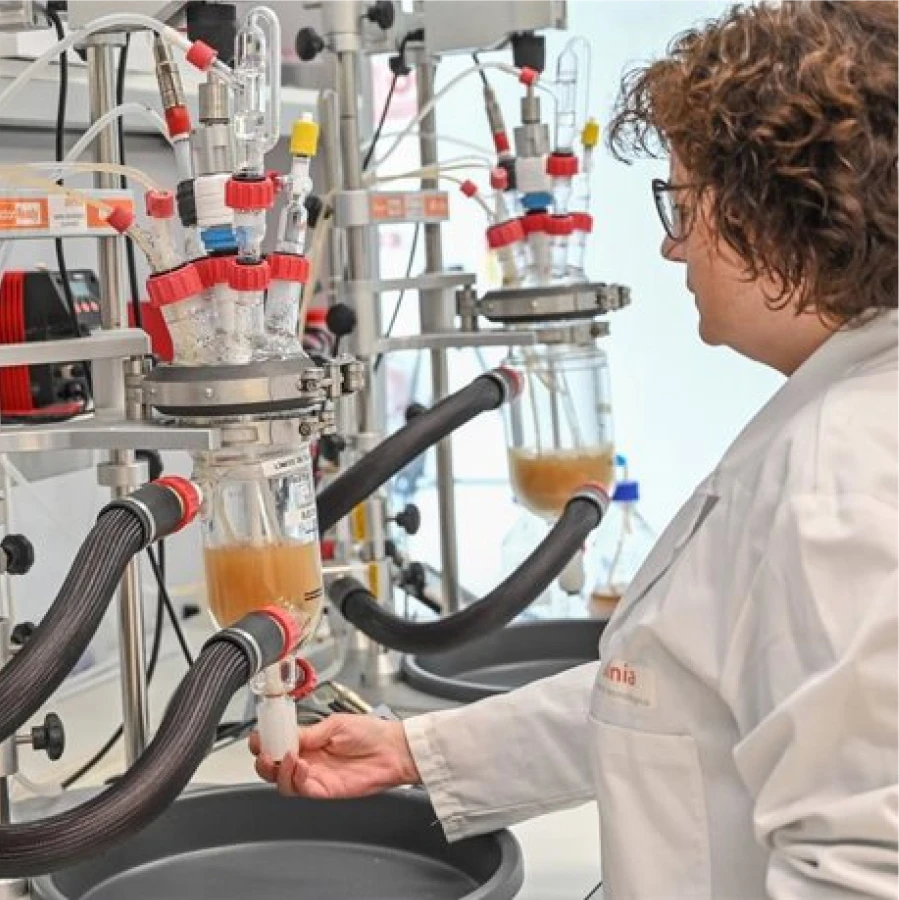
Advanced characterisation of the microbiota
The microbiota present in food, on surfaces and in industrial facilities plays a key role in both food safety and product quality and stability.
Conventional culture-based microbiological methods provide partial and limited information about actual microbial diversity, particularly in complex environments where culturable and non-culturable microorganisms coexist.
Companies need advanced tools that provide a comprehensive understanding of microbial composition, enable the identification of potential risks and support decision-making in hygiene, environmental monitoring and process optimisation.
Our solution
-
Metagenomic analysis of microorganisms
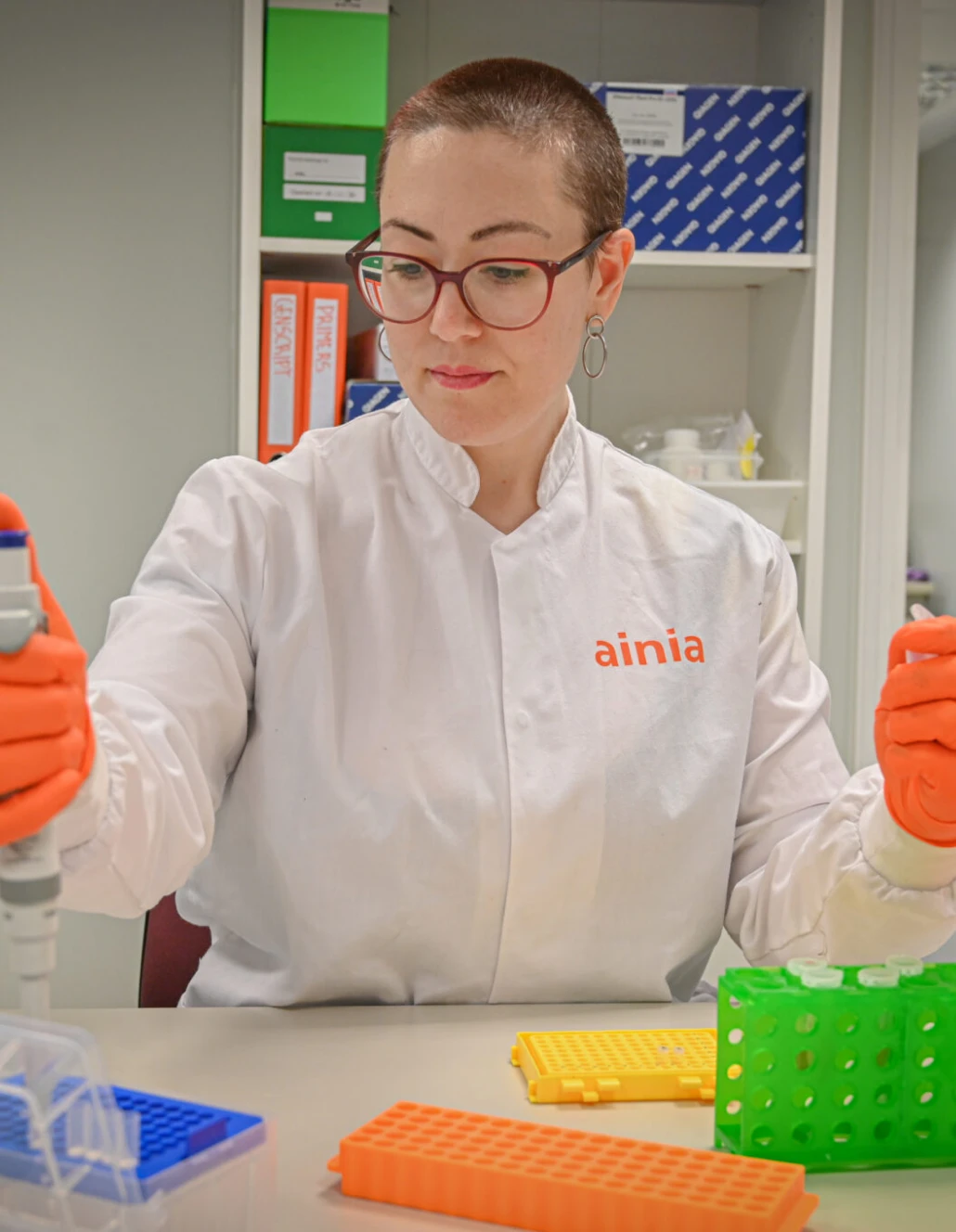
Study of microbial communities present in food and on surfaces using next-generation sequencing (NGS) techniques. -
Simultaneous identification and characterisation
Enables the analysis of multiple microorganisms without prior culturing, providing a comprehensive and detailed view of the microbiota associated with each matrix. -
Expert interpretation of results
Enables microbial composition to be related to the product, the process and environmental conditions. -
Support for management and continuous improvement
Provides relevant information for microbiological risk management, hygiene assessment and continuous improvement of control systems.
Applications
- Characterisation of the microbiota in food and raw materials.
- Analysis of microbial communities on surfaces, equipment and in facilities.
- Support for environmental monitoring programmes and hygiene assessment.
- Identification of potential sources of microbiological contamination.
- Technical support in quality, shelf-life and microbiological stability studies.
Impact and benefits
- Comprehensive and detailed overview of the microbial diversity present in food and on surfaces.
- Identification of microorganisms that cannot be detected using conventional methods.
- Improved understanding of the microbial ecosystem associated with production processes and environments.
- Support for technical decision-making in food safety and hygiene control.
- Enhanced robustness and traceability of microbiological management systems.
Use cases
Assessment of the microbiota and cleaning effectiveness
Food companies use metagenomic analysis to study the microbiota of surfaces in production areas or of finished products, in order to better understand microbial persistence and assess the effectiveness of cleaning and disinfection measures. The results make it possible to identify microbiological patterns and trends that cannot be detected using traditional techniques, providing a solid technical basis for improving controls and processes.
Would you like to know more?
Leave us your details and we will contact you to answer your questions or continue the conversation.

Lidia Tomás
Head of Preclinical Studies