Not a partner company yet? Sign up here
AINIA / Sustainability / Recycling and reuse of packaging materials
Ensure the circularity of your packaging and compliance with the European Packaging Regulation (PPWR) through technical recyclability assessments and reuse schemes aligned with industry standards.

The packaging industry is facing a mandatory transformation due to Regulation (EU) 2025/40 (PPWR), which requires all packaging to be recyclable by 1 January 2030.
Packaging must meet strict "Design for Recycling" (DfR) criteria in order to be marketed.
It is not enough for packaging to be theoretically recyclable; from 2035, it must be demonstrated that it is effectively recycled at scale in the EU.
The regulation requires packaging designed for reuse to comply with minimum rotation cycles and efficient reverse logistics systems.
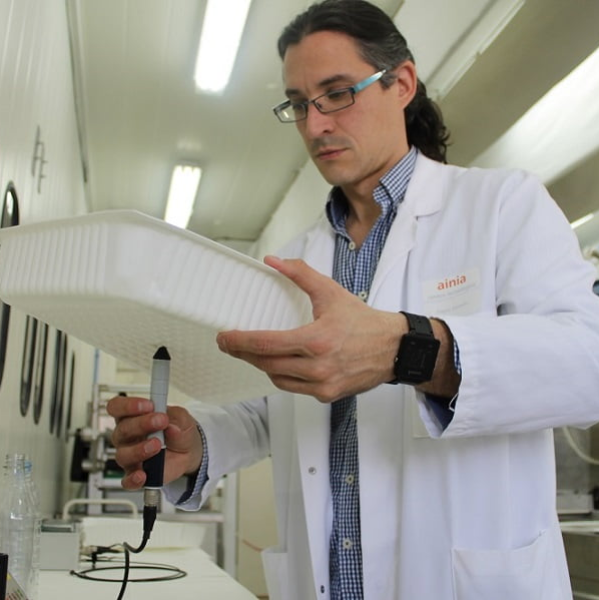
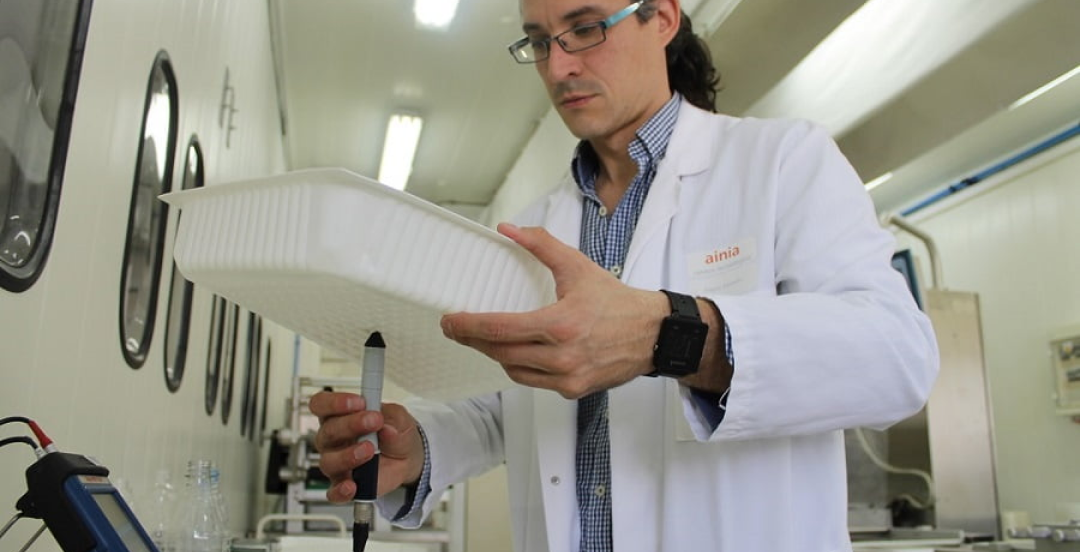
We offer a comprehensive assessment and certification service based on the most demanding European standards for recycling, in accordance with UNE-EN 13430, and reuse, in accordance with UNE-EN 13429, for cellulosic and plastic materials.
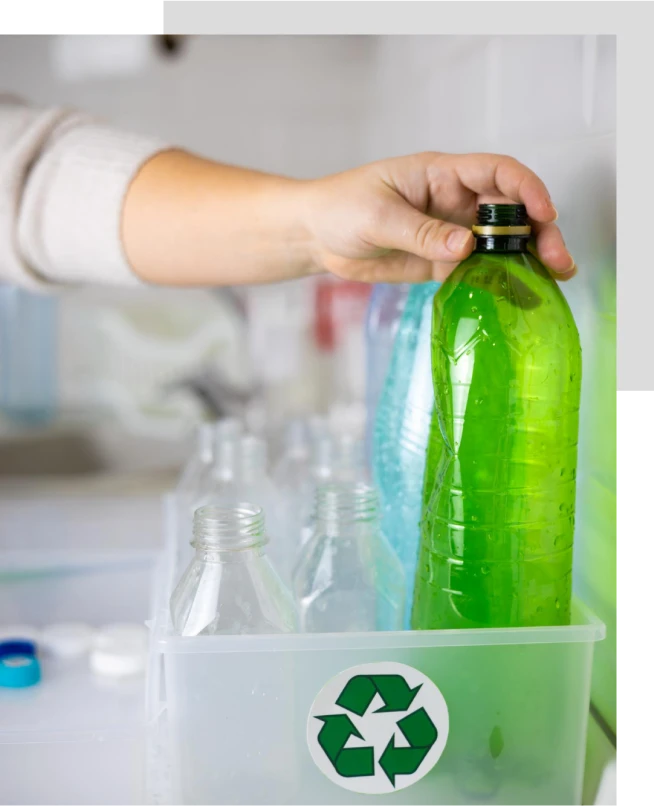
The main issue in the industry is the use of components that, although functional, impair the recyclability of the packaging.
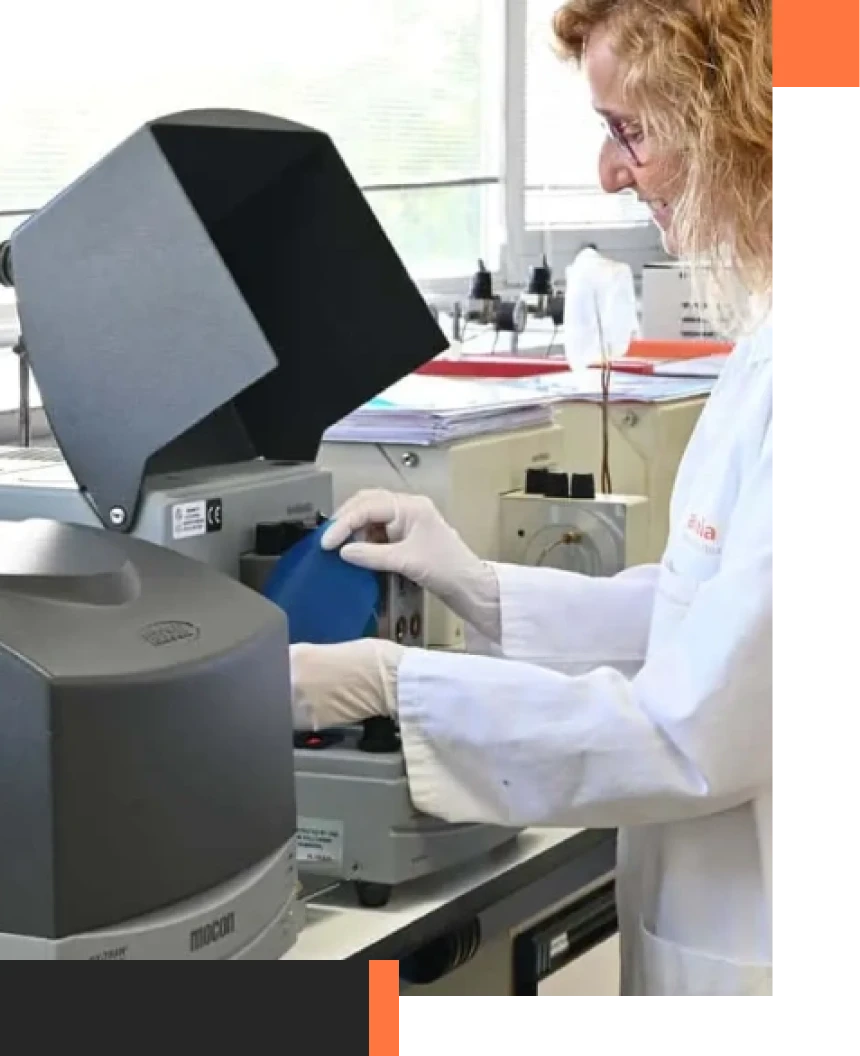
We analyse the compatibility of inks, adhesives, coatings and functional barriers in plastic and cellulosic packaging.
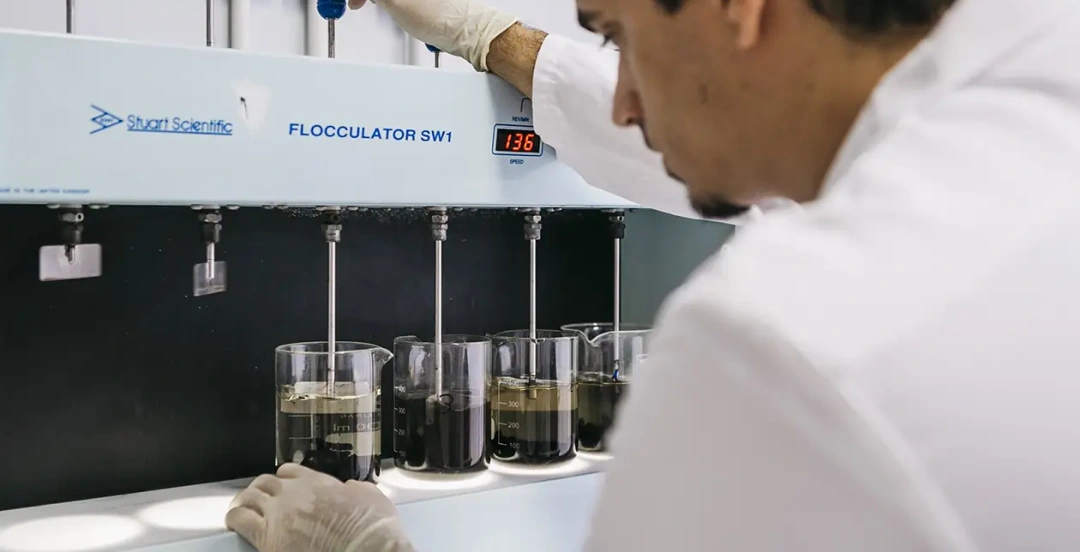
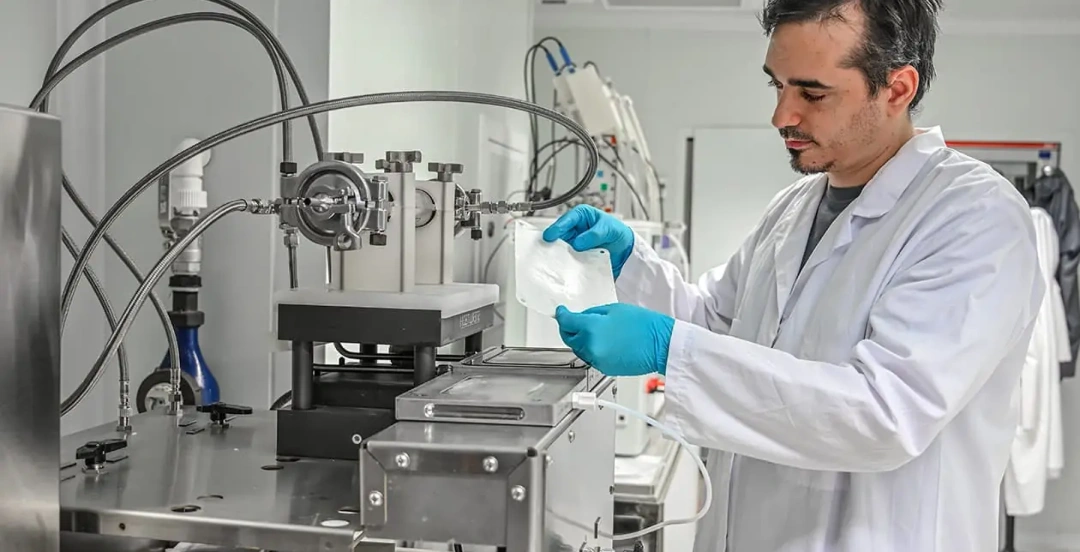
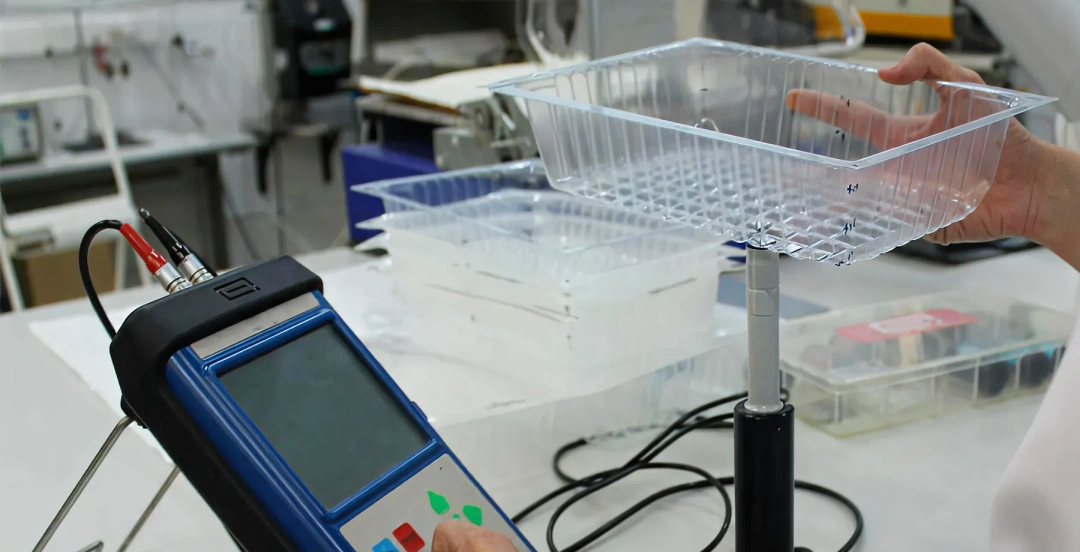
We carry out tests that generate key technical parameters for their recyclability and apply the 4evergreen Alliance guidelines to assess whether packaging can be effectively recycled in standard recycling plants or requires specialised processes.
We assess and quantify the amount of recyclable material in packaging and propose more recyclable solutions without losing barrier properties, in accordance with the guidelines proposed by RecyClass for mandatory labelling under the PPWR.

In view of the increased reuse targets set by the PPWR, we help define durable systems.
We verify that packaging meets the requirements to be considered "reusable", including its ability to be emptied, cleaned and refilled without compromising its integrity.
We advise on the design of packaging that can withstand a minimum number of rotations under normal conditions of use to ensure that the environmental impact per use is lower than that of a single-use solution.

Ensures that your packaging meets the 2030 milestone, the year in which all packaging must be recyclable under the PPWR Regulation in order to be marketed in the EU, and facilitates the transition towards the "recycling at scale" requirement.
Obtaining RecyClass certificates provides immediate visibility of packaging recyclability in the market. And the use of harmonised CEPI and 4evergreen methodologies makes it possible to make sustainability claims based on rigorous technical data that are comparable at European level.
Identifying and replacing elements that compromise recycling reduces rejection rates at recycling plants and improves the quality of the recycled material. In addition, validating reuse through the number of packaging rotations makes it possible to optimise costs per use cycle, turning packaging into a durable asset rather than waste.
Leave us your details and we will contact you to answer your questions or continue the conversation.