The European Commission, through the Directorate-General for Health and Food Safety (DG SANTE), has published its audit and control programme for 2027, a plan that anticipates a more demanding regulatory environment, particularly in relation to imports, food safety, chemical residues, microbiology, food contact materials and the sustainability of plant protection product use.
For the agri-food sector, this programme provides an early indication of the areas where European authorities will focus their inspection and monitoring efforts. Consequently, companies that anticipate these areas of control will be able to reduce regulatory risks and strengthen their competitiveness.
A change in approach: more controls on imports and global supply chains
The main new feature of the 2027 programme is the sharp increase in audits of exporting third countries and EU border control posts. The Commission plans to significantly increase import-related audits to verify that products entering the European market comply with the same standards required of EU producers.
This strategy will have a direct impact on:
- Importers and distributors.
- Companies that depend on raw materials from third countries.
- Manufacturers with global supply chains.
- Logistics operators and ports of entry.
The foreseeable consequence for companies in the sector will be greater pressure on supplier assessment and approval, the monitoring of contaminants and residues, and documentary evidence of compliance. This means strengthening:
- Supplier audits.
- Emerging risk monitoring programmes.
- Assessment of international regulatory compliance.
- Traceability and documentary verification systems.
Chemical residues and contaminants: a growing priority
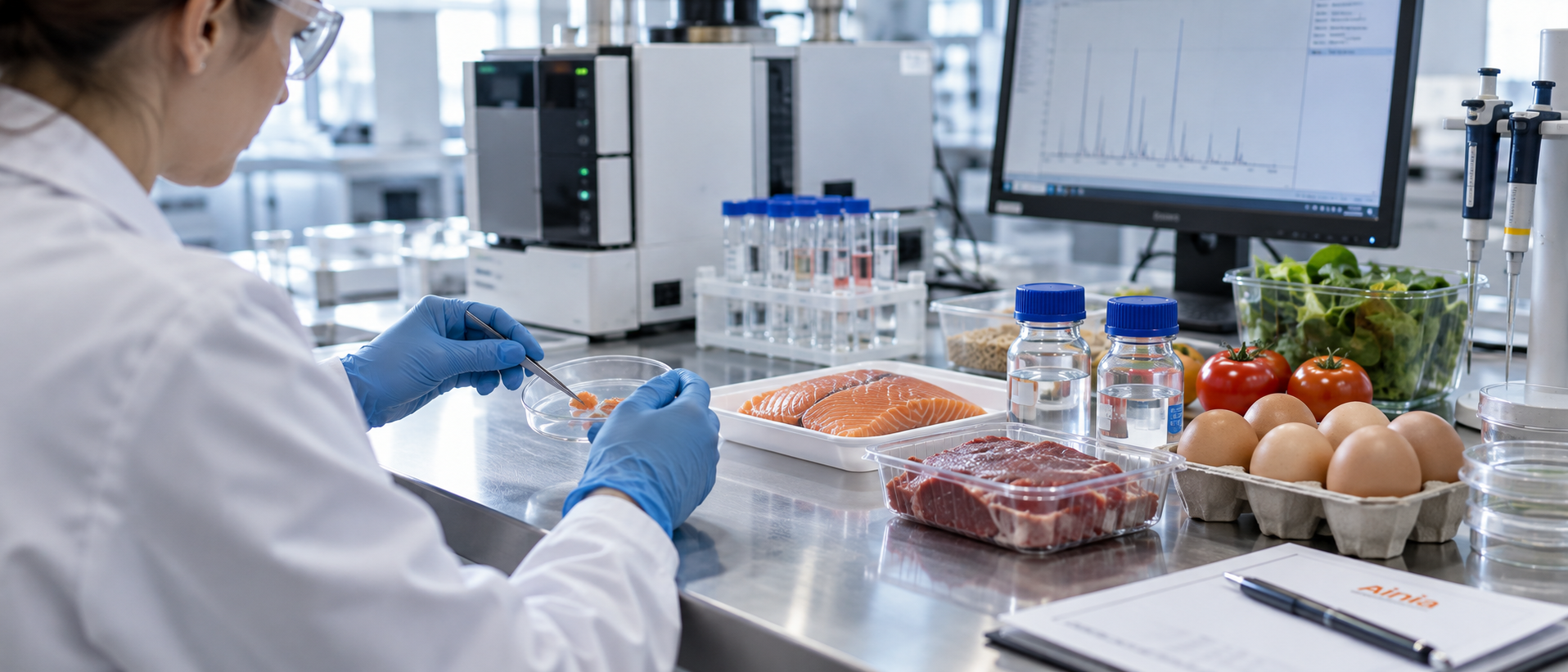
The programme devotes a very significant number of audits to the control of veterinary residues, chemical contaminants, pesticides and mycotoxins, in both products of animal and plant origin. Specific areas of focus include:
- Veterinary residues in animal products.
- Pesticide residues in fruit and vegetables.
- Aflatoxins in peanuts.
- Contaminants in fishery and agricultural products.
In addition, the Commission will continue to assess national residue control plans from both Member States and third countries.
Among the sectors affected, we highlight the following:
- Fruit and vegetables.
- Nuts.
- Animal feed.
- Meat sector.
- Dairy sector.
- Fisheries and aquaculture.
This scenario requires efforts to be focused on:
- Residue monitoring programmes.
- Chemical risk assessment.
- Design and validation of control plans.
Microbiology returns to the spotlightv
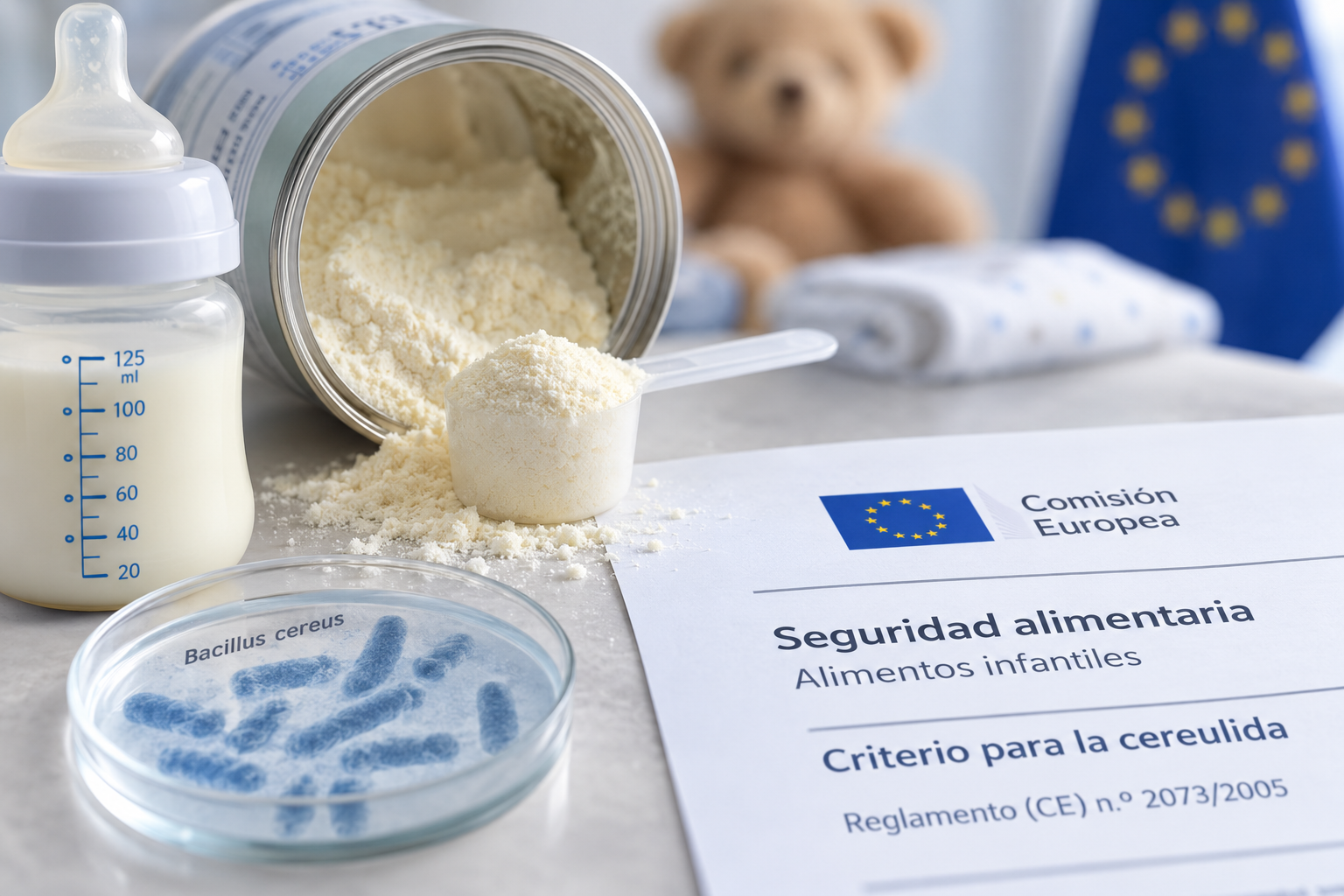
Spain will be subject to specific audits on microbiological contamination in poultry meat, from both a public health and animal health perspective.
The Commission will also carry out activities related to highly processed and ultra-processed fishery products, a segment whose relevance is increasing due to industrial processing and the internationalisation of trade.
The sectors most affected will be the following:
- Poultry sector.
- Processed meat products.
- Ready-to-eat products.
- Fisheries and seafood products.
- Ingredients industry.
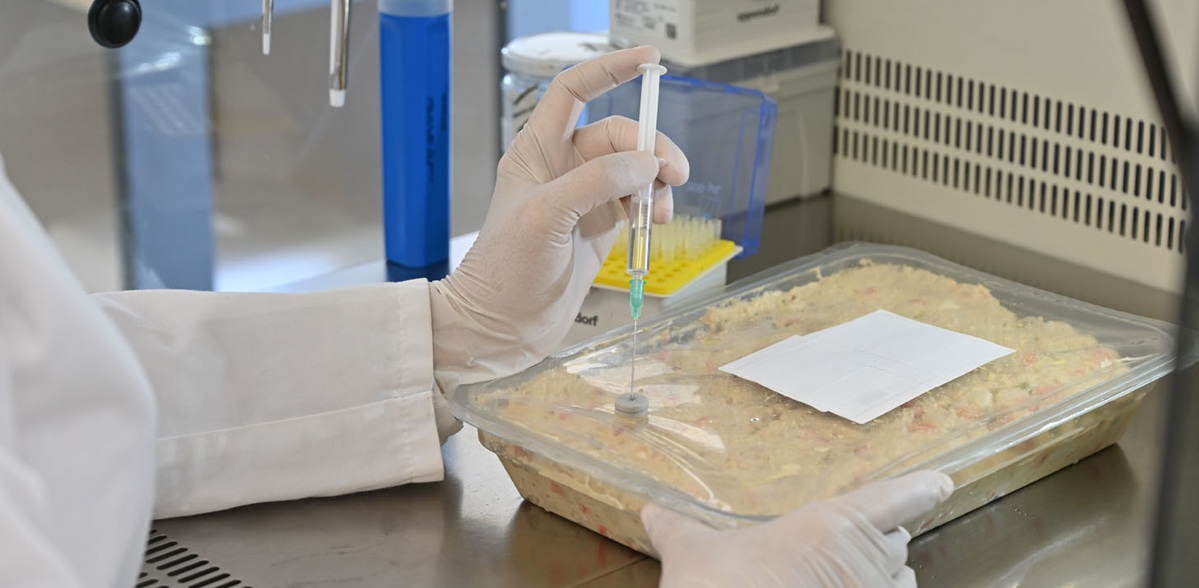
Companies will need more robust evidence to demonstrate the microbiological safety of their products. This opens up opportunities in:
- Shelf-life studies.
- Challenge test.
- Validation of thermal and preservation processes.
- Predictive microbiological modelling.
- Verification of HACCP plans.
- Environmental and surface monitoring.
Recycled materials in contact with food: an emerging area
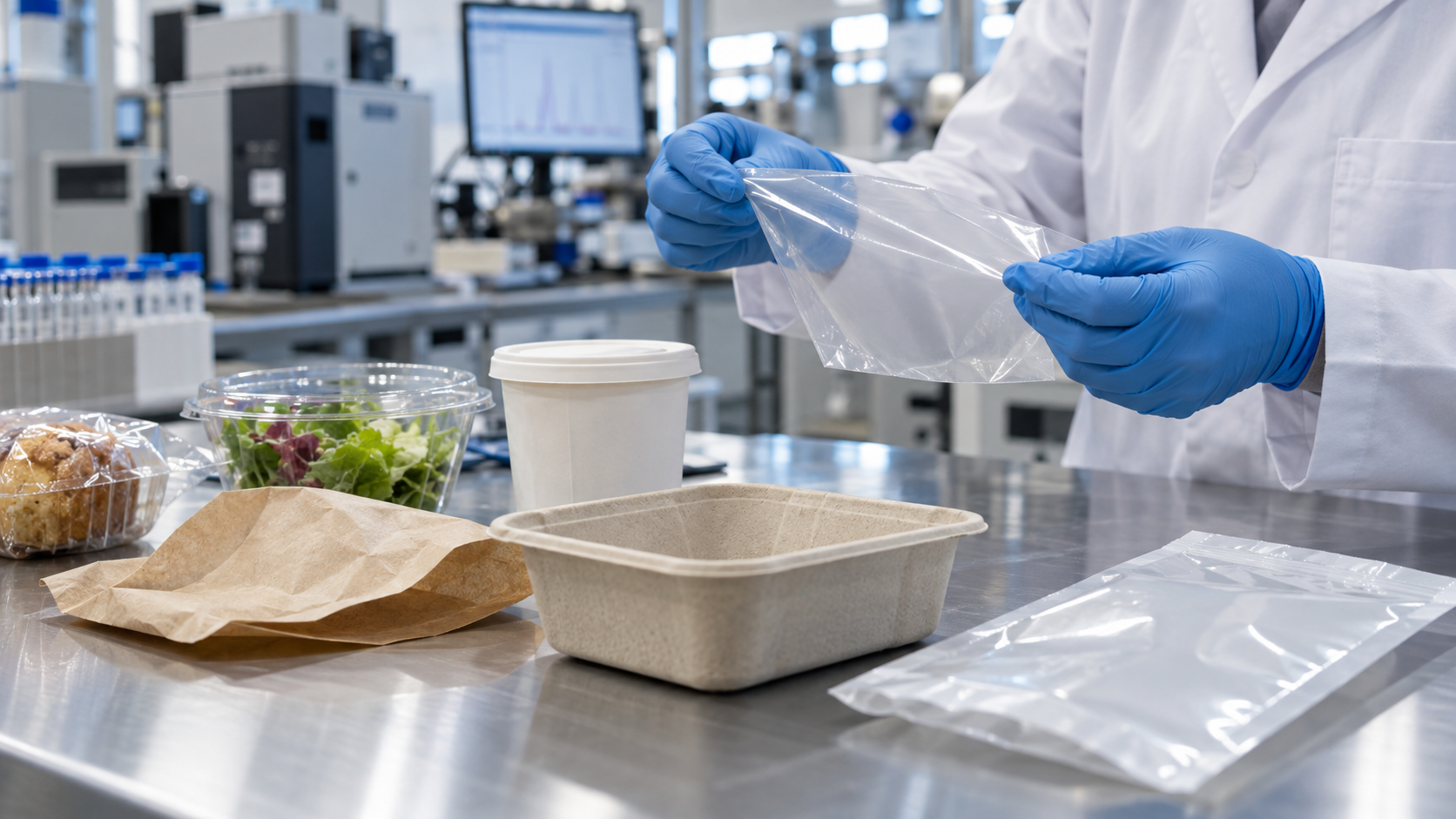
For the first time, food contact materials made from recycled plastic feature prominently in several audits, including controls in Spain.
This line is directly linked to European circular economy objectives and the increased use of recycled materials in food packaging.
With regard to the sectors affected, we will have:
- Packaging manufacturers.
- Plastic converters.
- Food industry using recycled packaging.
- Distribution and retail.
The following aspects should be strengthened:
- Migration studies.
- Conformity assessments.
- Chemical characterisation of materials.
- Packaging safety testing.
- Regulatory advice on recycled materials.
Sustainable use of plant protection products: increasing pressure on the agricultural sector
Spain is among the countries selected for audits related to the sustainable use of pesticides.
Although the approach is directed at the competent authorities, requirements for producers are expected to increase in areas such as:
- Justification of treatments.
- Integrated pest management.
- Application records.
- Residue reduction.
All of this drives efforts to focus on:
- Residue control.
- Tools for reducing plant protection product use.
- Digital agronomic management systems.
- Biocontrol and biostimulant projects.
Animal feed and antimicrobial resistance
Medicated feed will be subject to audits in Spain and several European countries. In parallel, the Commission maintains a specific line of control over the use of veterinary medicines and antimicrobial resistance
Affected sectors:
- Animal feed manufacturers.
- Livestock integrators.
- Animal production.
- Veterinary industry.
These companies will need to strengthen:
- Validation of medicated feed manufacturing systems.
- Cross-contamination control programmes.
- Studies on alternatives to antibiotics.
- Assessment of antimicrobial resistance risks.
- Development of One Health strategies.
Conclusion: a compliance agenda that can become a competitive advantage
DG SANTE’s audit programme for 2027 confirms five major regulatory priorities: import controls, chemical residues, microbiological safety, recycled food contact materials and the sustainability of agri-food production. For food companies, preparation should no longer be limited to passing inspections, but should focus on generating robust technical evidence that demonstrates compliance and risk management, which can turn what might be seen as a threat into an opportunity to improve their competitive positioning and their image of reliability among their customers and consumers in general.
At AINIA, we are in a position to support the industry through laboratory services, as well as studies and projects in food safety, risk assessment, process validation, regulatory monitoring, sustainability and digitalisation. The most promising business areas are focused on the analysis of residues and contaminants, predictive microbiology, food contact materials, approval of international suppliers and technologies for reducing the use of plant protection products and antimicrobials.
Ultimately, the audits planned for 2027 indicate where the regulatory risks will lie and, therefore, where we should focus a significant part of the food industry’s technical efforts in the coming years.