Artificial intelligence can help you improve processes, analyse information and support decision-making in the food industry. To obtain useful results, the first step is to identify a specific problem and check whether you have the data, capabilities and systems needed to address it.
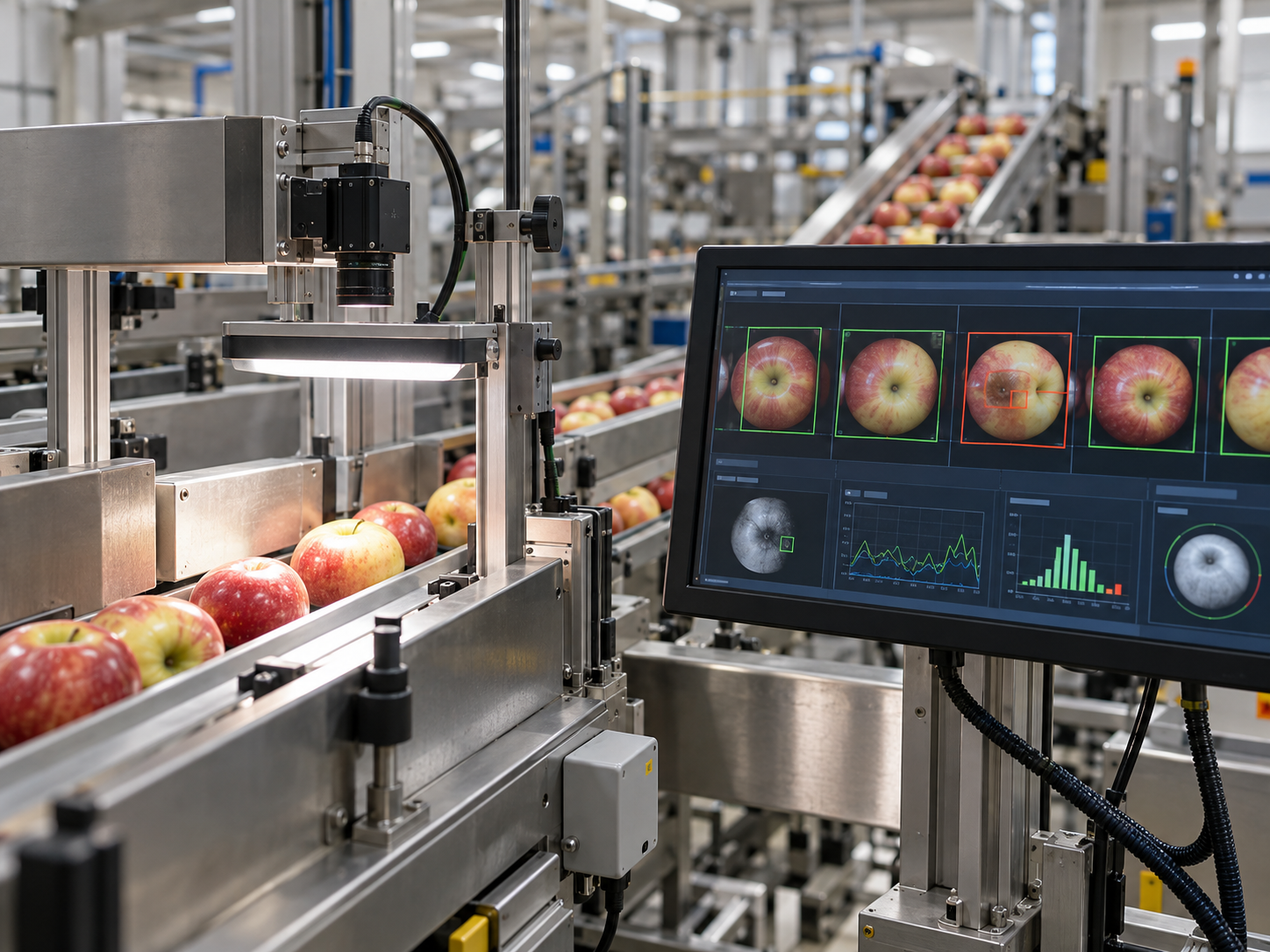
Artificial intelligence is opening up new possibilities for transforming the food industry and making it more efficient, safe and adaptable. Its applications are very varied: it can help analyse large amounts of data, anticipate demand, improve production processes, detect potential equipment failures, strengthen product traceability and facilitate tasks such as raw material classification or quality and food safety control. However, interest in a specific tool should not be the starting point for a project.
The first question is what your company needs to improve. Are you looking to detect a deviation in the product earlier? Do you want to make better use of the data you already collect? Do you need to make technical documentation easier to consult? Each objective involves different requirements and requires defining how it will be determined whether the solution adds value.
Before applying artificial intelligence, review your data
Not all companies are at the same stage of digitalisation. In some, data is already organised and available; in others, some information is still recorded on paper or remains spread across different systems.
This situation affects any artificial intelligence project. Before developing a model, it is necessary to know what information exists, whether it is accessible, what quality it has and whether it adequately represents the process you want to improve. When these issues are not resolved at the outset, a pilot may deliver interesting results in a demonstration and later encounter difficulties when being integrated into day-to-day operations.
That is why it is important to prioritise. Improving data collection and organisation can, in some cases, be the step that makes it possible to develop an artificial intelligence application with real potential for use at a later stage.
Choose a use case linked to your activity
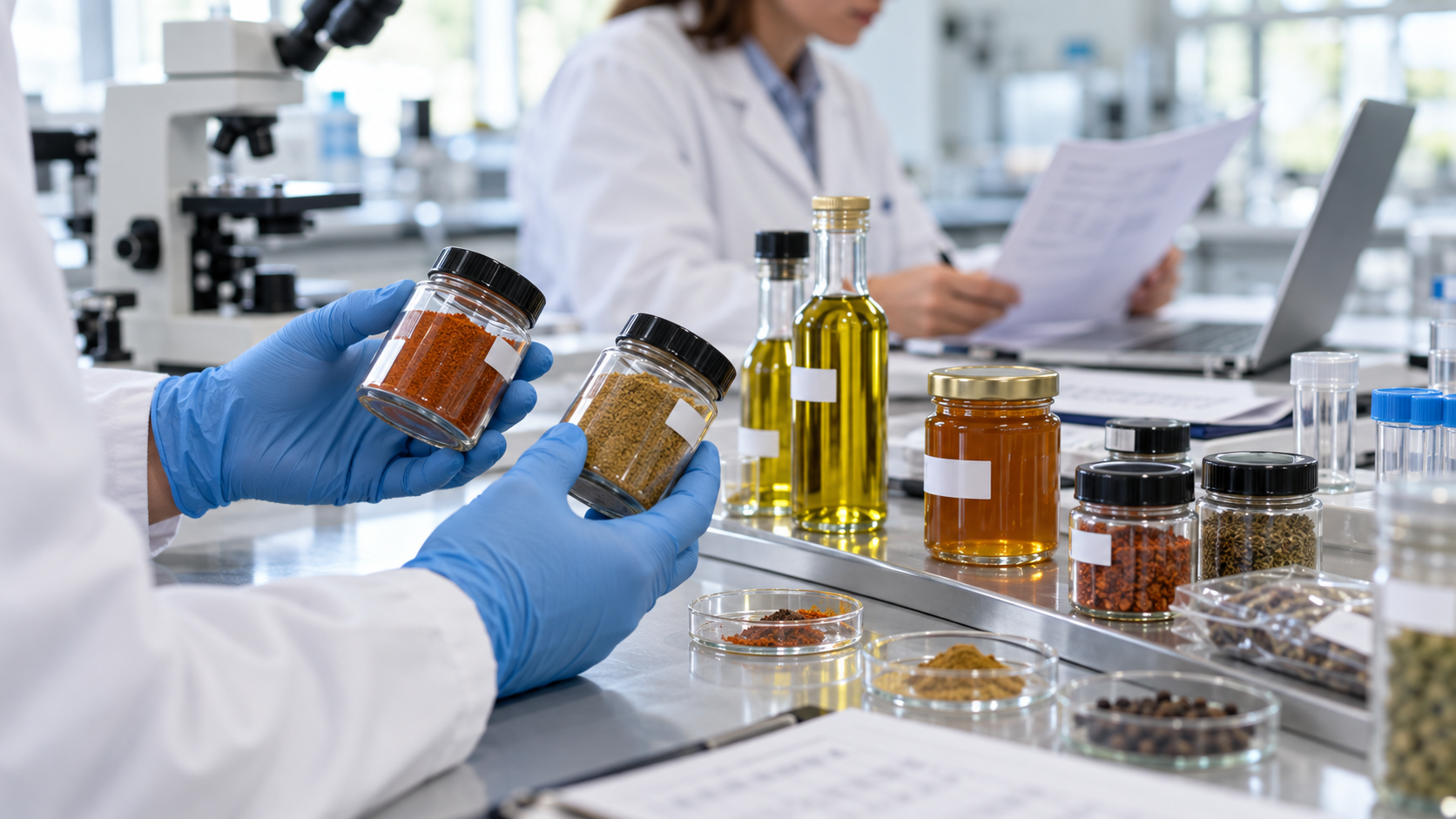
In the food industry, product quality offers opportunities to apply these technologies. The analysis of production and control data can help identify patterns or support the detection of deviations related to aspects such as sensory quality or food safety.
To assess an application, it is necessary to specify what task it will help perform, what data it will use and who will interpret its results. The experience of the people who know the product and the process is essential both for defining the problem and for checking whether the technology’s response is useful.
Solutions for consulting the company’s technical information can also be explored. A tool that retrieves content from previously selected sources can help locate documentation and prepare responses based on it. Its usefulness will depend on the quality and updating of those sources, as well as on reviewing the responses when they are used to support decisions.
Protect the systems the project depends on
As a company connects processes and uses more digital information, it needs to pay attention to the security and continuity of its operations. In the masterclass on digital transformation, we also addressed this issue: an incident affecting the systems can impact tasks such as order management, labelling or traceability checks.
When planning an artificial intelligence project, it is important to identify where the data will be stored, who will be able to access it and which systems the solution will depend on. It is also important to consider how operations will continue if any of those systems become unavailable. These decisions form part of the preparation needed to incorporate new tools into day-to-day work.
Measure the result before expanding the project
An initial pilot can be used to assess the potential of a specific use case. For its results to support decision-making, it should have a defined scope and indicators established from the outset: what we want to improve, what the starting point is and what change would justify moving forward.
The decision to implement the solution should be based on what happens during that trial and on the company’s actual conditions. In addition to assessing its technical performance, it is necessary to consider data quality, integration into processes and the people who will need to use it.
Artificial intelligence can bring new capabilities to the food industry, but its adoption requires a well-structured sequence of decisions. Starting with a business need, preparing the data and testing the result in a specific case makes it possible to move forward on a more solid basis and direct the technology towards improvements that your company can implement.
If you want to explore the application of these technologies to your company’s challenges in greater depth, see the course “Digital Technologies for the Agri-food Industry”, organised by AINIA and ESIC. The programme covers artificial intelligence, data analysis, automation, cybersecurity and change management from a practical perspective.