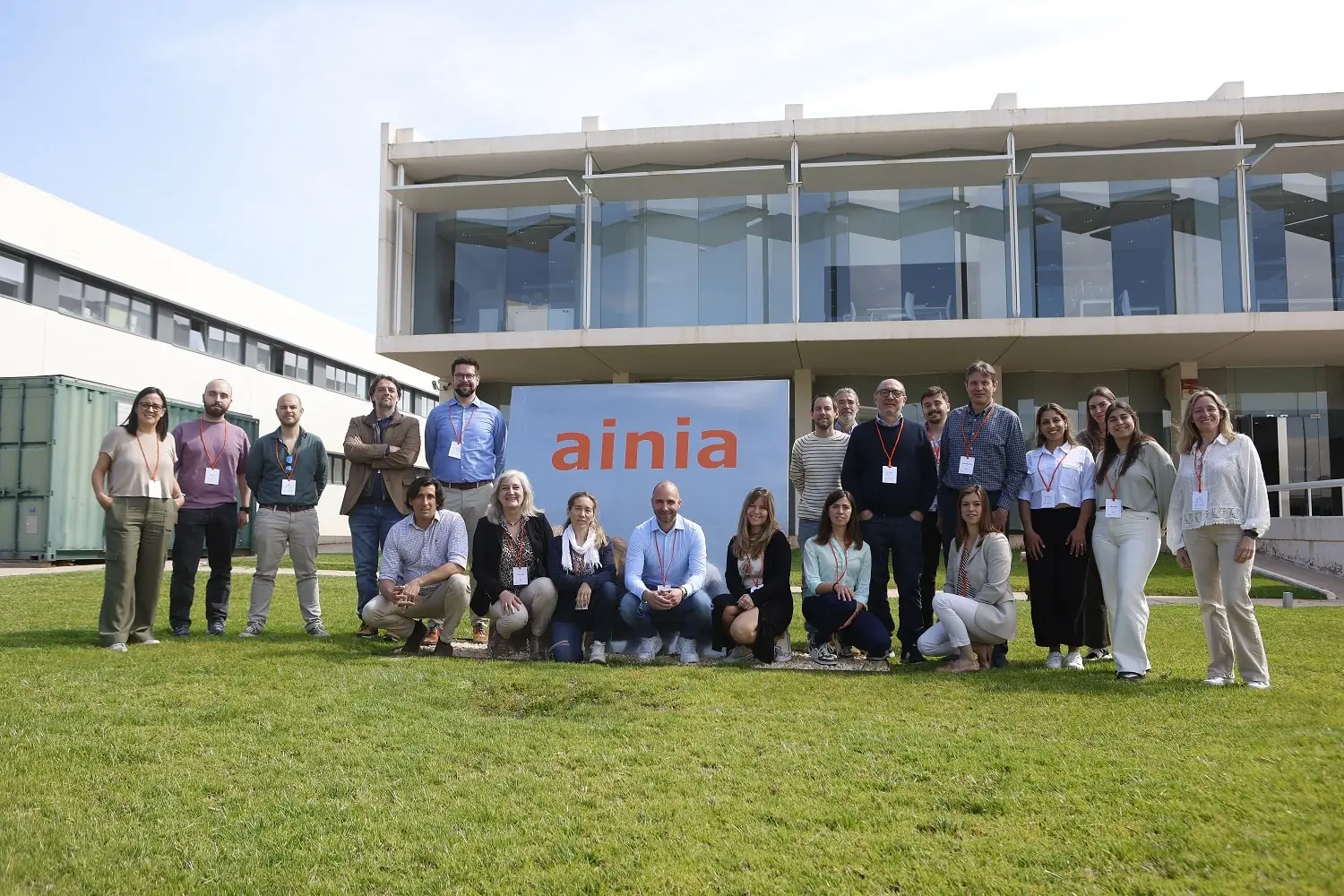
On 15 and 16 May, AINIA is hosting the kick-off meeting of the European CITRUSBUSTERS project, an R&D initiative aimed at developing advanced solutions to tackle two of the most destructive threats to citrus crops: greening, or Huanglongbing (HLB), a disease caused by the bacterium Candidatus Liberibacter and transmitted by the African citrus psyllid Trioza erytreae, and citrus black spot, caused by Phyllosticta citricarpa, a fungal disease that causes significant economic losses and severely affects fruit quality.
An international project
AINIA coordinates this ambitious international project, funded by the Horizon Europe programme, involving 11 organisations from Europe and Brazil: Sociedad Cooperativa ANECOOP, International Fruit and Vegetable Juice Association (IFU), Pedal Consulting SRO (PEDAL), Bioclear Earth BV (BCE), Asociación Agraria de Jóvenes Agricultores (ASAJA), Universidad Politécnica de Madrid (UPM), Consiglio Nazionale delle Ricerche (CNR), Ethniko Kentro Erevnas Kai Technologikis Anaptyxis (CERTH), CHEMIA SPA (CHEMIA) and Agencia Paulista de Tecnología dos Agronegocios (CCSM-IAC).
Three areas of action to protect citrus crops
Taking an integrated approach, the CITRUSBUSTERS project proposes early pest detection using digital tools, microbiome analysis and sensors that assess crop health.
It will also establish preventive measures using resistant and gene-edited trees to better withstand biotic stress. The project will also focus on sustainable biological control using bioactive compounds, RNA interference (RNAi) technologies and endolysins.
AINIA leading the research
AINIA, the project coordinator, is participating in this initiative with a multidisciplinary team bringing together professionals from technology, digital transformation and innovation. The inaugural meeting, taking place in Valencia, will serve to define the roadmap and launch the consortium’s first joint activities.
Key activities in the first few months
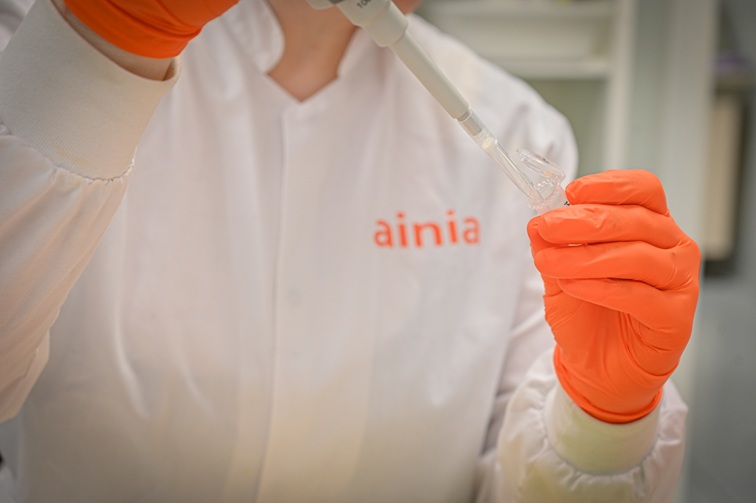
AINIA will coordinate the implementation of key tasks such as obtaining and culturing these pathogens, developing in vitro cultures, analysing sensor technologies, integrating data and identifying promising biological compounds, such as RNAi or endolysins. In addition, part of AINIA’s technical team will travel to Brazil to make progress on sample collection and field trials.
Impact on a strategic crop
The project will have a significant social and economic impact by focusing on citrus crops, a traditional crop that plays an important role in the economy and agricultural culture of the Mediterranean region.
CITRUSBUSTERS represents a strategic opportunity to advance biotechnological and digital solutions that sustainably protect European citrus production, in collaboration with countries where these pests are already established, such as Brazil.