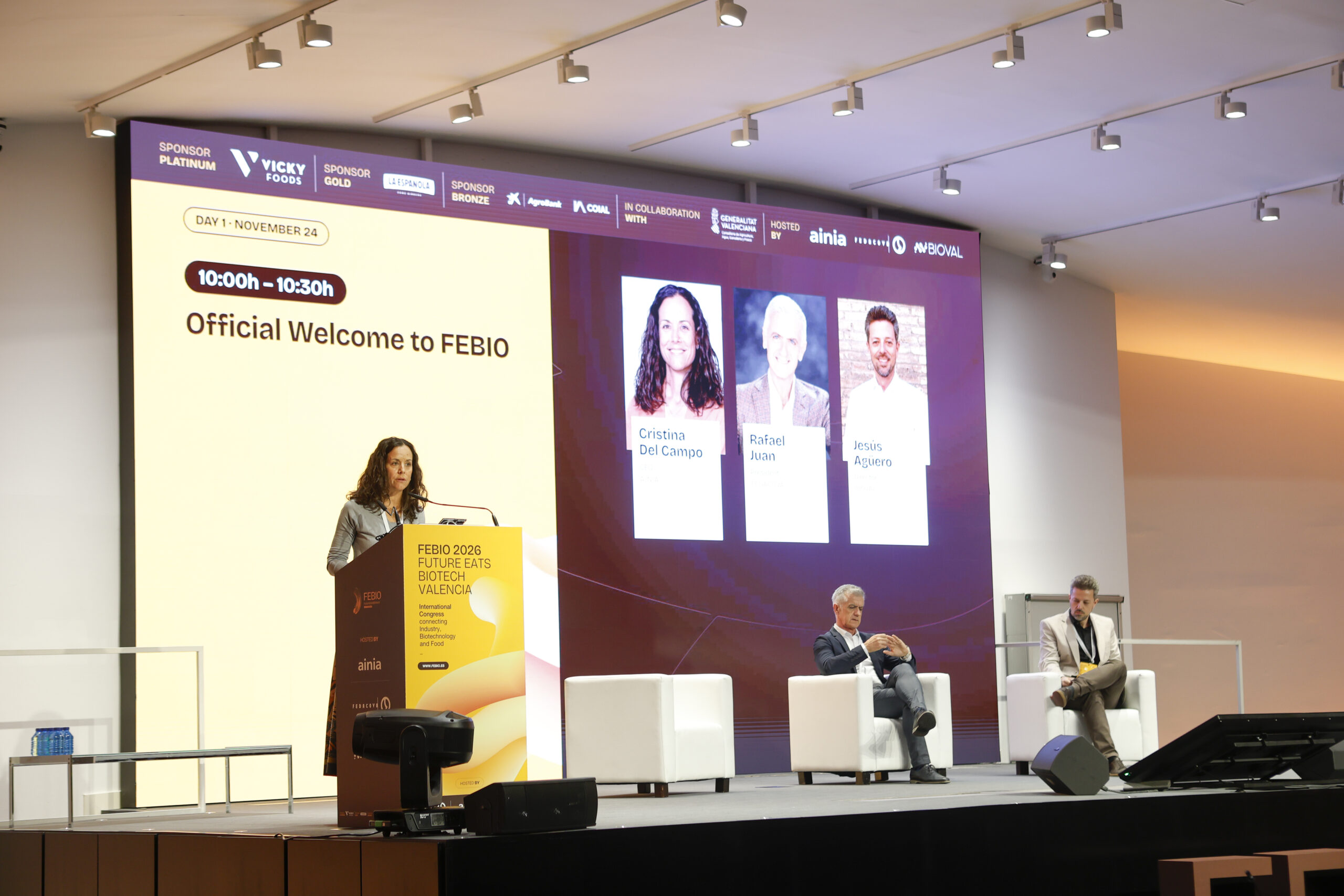
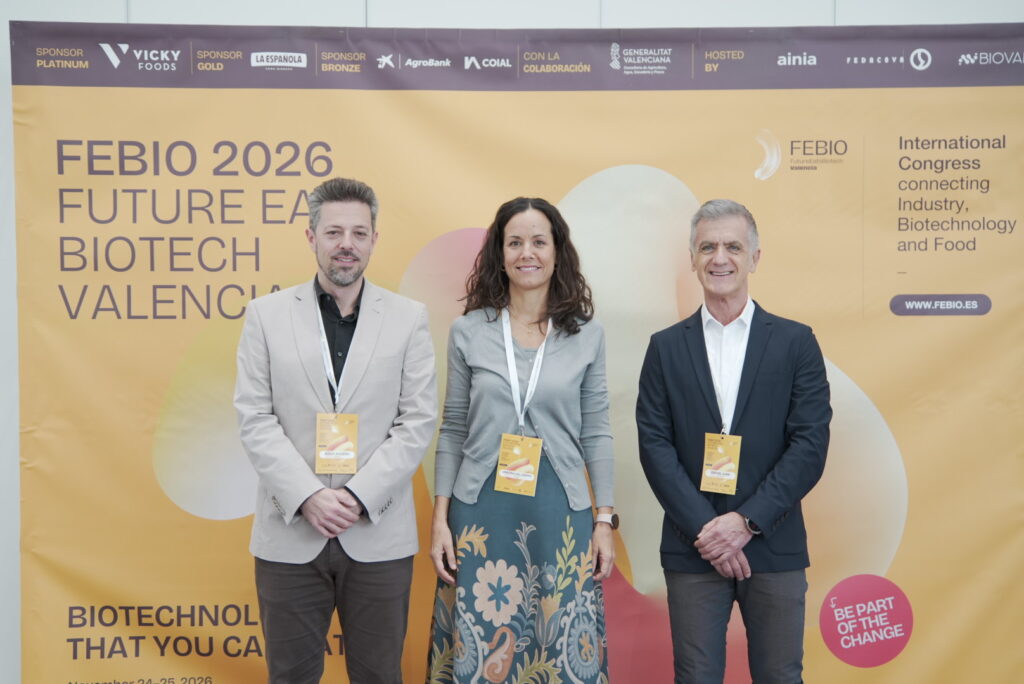
Biotechnology is no longer a laboratory promise but has become the driving force that will transform what we eat and how we produce it. With this premise, the first edition of the FEBIO – Future Eats Biotech International Food Biotechnology Congress has opened at the Príncipe Felipe Science Museum in Valencia, an event that puts the Valencian Community and Spain on the international map of food innovation.
Organised by AINIA, FEDACOVA and BIOVAL, the congress, with an international focus, features leading speakers who will connect cutting-edge science, major food industry players, disruptive start-ups and European institutions on 24 and 25 November.
Science addressing major social and environmental challenges
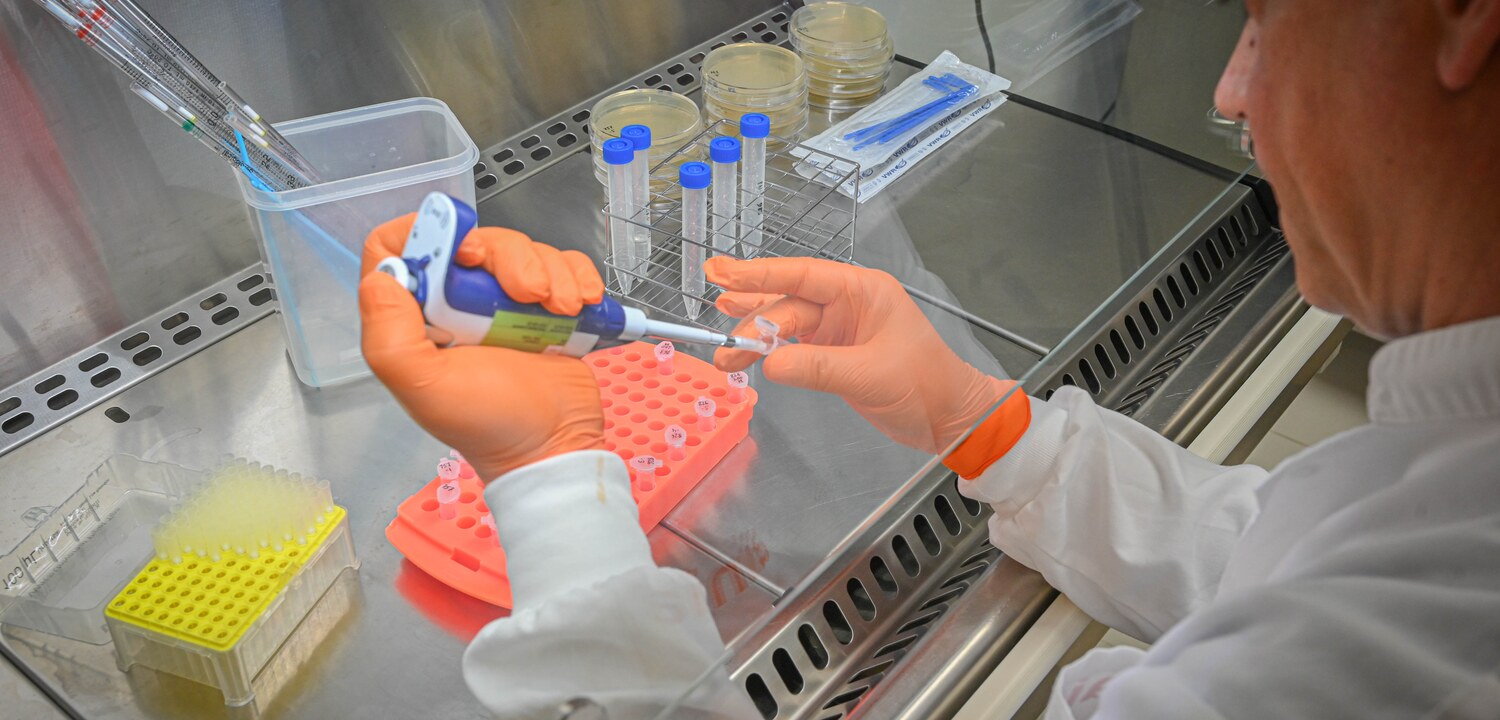
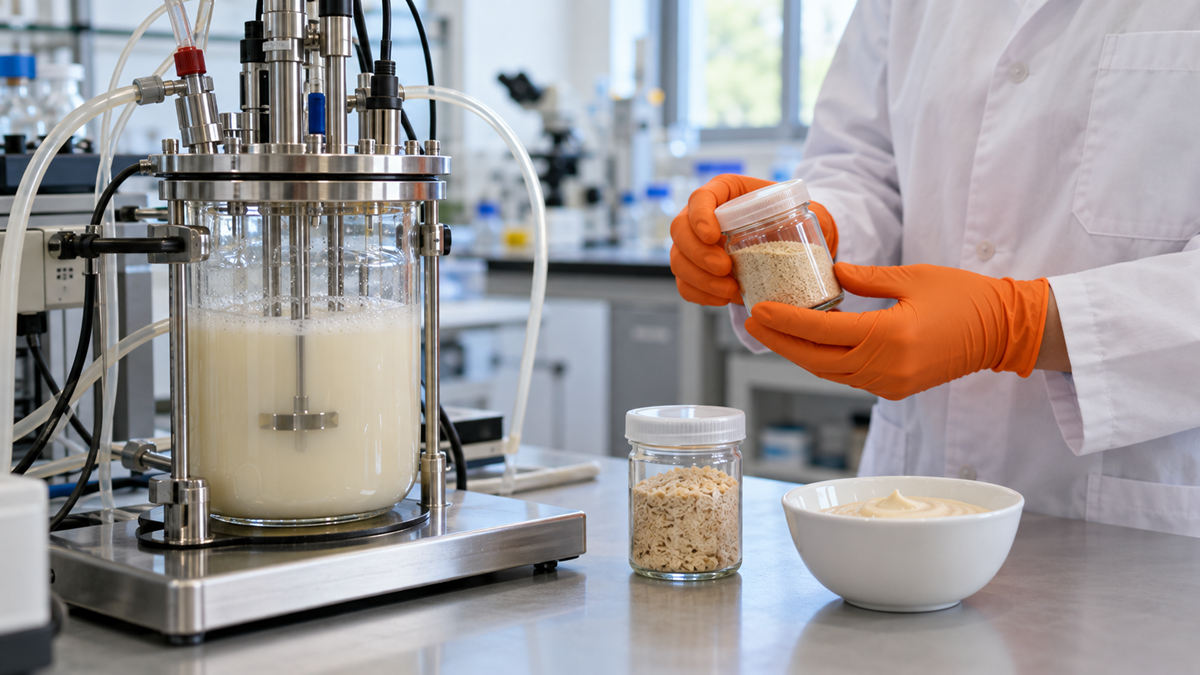
FEBIO was created to address one of the greatest challenges facing society today: how to feed a growing population in a healthy, safe and sustainable way while reducing the ecological footprint. Technologies such as precision and biomass fermentation, plant cell cultivation and molecular farming make it possible to produce proteins and ingredients with high nutritional value by making use of by-products, reducing emissions and optimising resources.
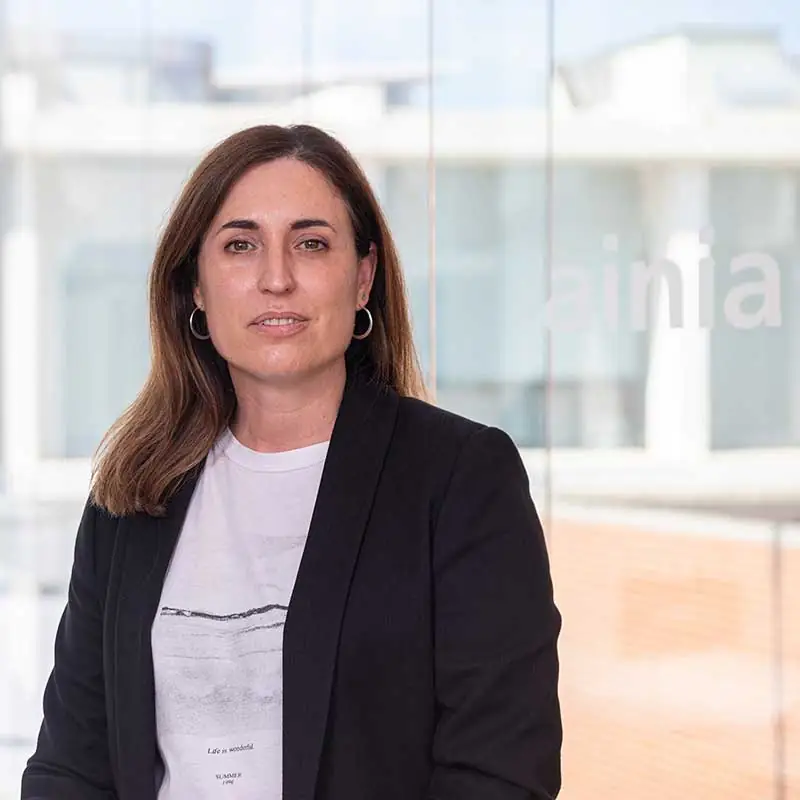
During the opening session, AINIA’s Managing Director, Cristina Del Campo, highlighted the scope of this technological revolution: “Technologies such as biomass fermentation, precision fermentation, plant cell cultivation and molecular farming are expanding the boundaries of food production.”
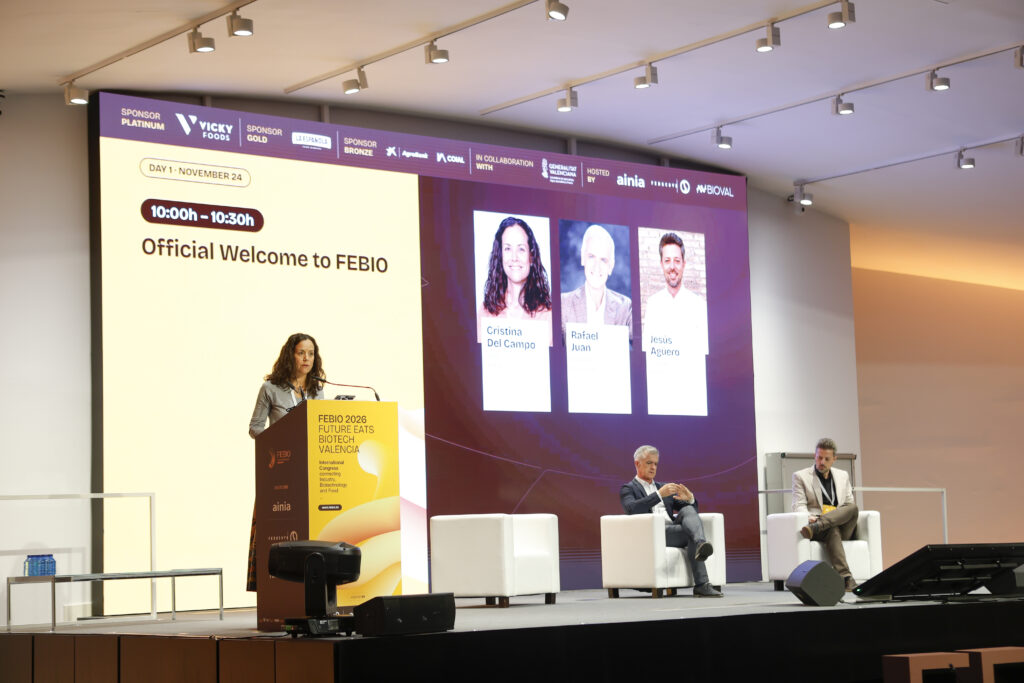
For his part, the President of FEDACOVA, Rafael Juan, highlighted the strategic opportunity this forum represents for the business community: “Today, we have a new opportunity to continue producing excellent food and to participate in the development of technologies that will transform how it is produced in the future. I am convinced that the Valencian Community has all the capabilities needed to play a leading role in this transformation, and I hope FEBIO will be an important step in that direction.”
Along the same lines, the Managing Director of BIOVAL, Jesús Agüero, highlighted the cross-sector nature of this discipline, noting that biotechnology already contributes more than 1% of Spain’s GDP, with over 1,100 companies: “We are not just talking about biotechnology companies in the traditional sense; these are food, chemical, healthcare and technology companies that use biotechnology as a powerful driver of innovation.”
The European challenge: scaling up innovation with an agile regulatory framework
The first day focused on Europe’s competitiveness compared with other international markets. The opening panel on food biotechnology and biomanufacturing, moderated by AINIA’s Director of Innovation, Andrés Pascual, featured the Director for Chemicals, Health, Retail and Agri-food at the European Commission, Kristin Schreiber, and the Director General of EuropaBio, Claire Skentelbery.
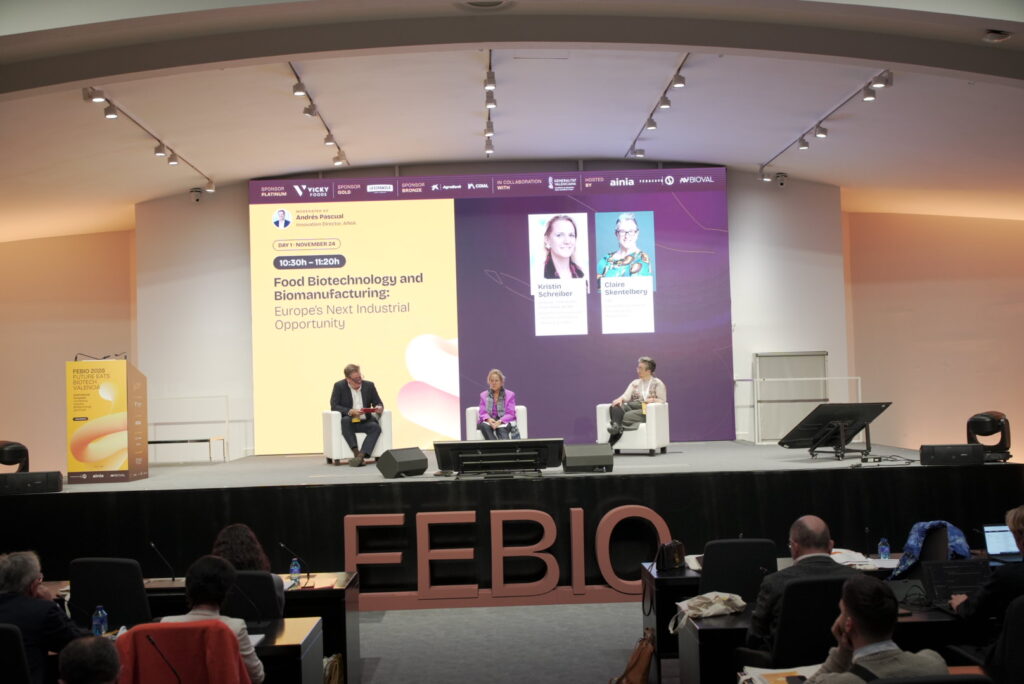
During the discussion, Claire Skentelbery warned of the urgent need to streamline and harmonise European procedures to prevent innovation from moving to third countries: “Harmonising languages and requirements across Member States would make an enormous difference in enabling companies to bring their products to market quickly within the European Union.”
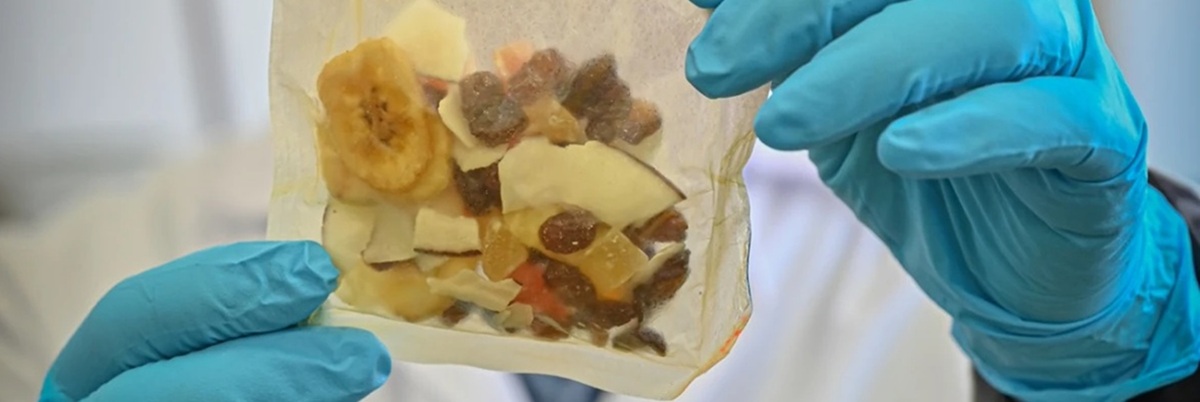
This point was reinforced during the panel discussion on the next generation of ingredients, moderated by AINIA’s Director of Technologies, Begoña Ruiz. During the session, the Head of Sustainability at Kerry Group, Juan Aguiriano, stated: “Everyone talks about innovation, but innovation without the right regulatory framework has no future.” Alongside the Head of Research in Industrial Biotechnology and Food at VTT Technical Research Centre of Finland, Emilia Nordlund, and a scientist at The Protein Brewery, Cas Geerits, the session explored how the circular economy and the conversion of underutilised biomass into ingredients for human consumption (feed-to-food) can produce products with a superior nutritional profile and a significantly lower environmental impact.
Meanwhile, the panel on biomass and precision fermentation, moderated by Beatriz Romanos and featuring the Chief Scientific Officer and co-founder of Solar Foods, Juha-Pekka Pitkänen; the co-founder and CTO of MicroHarvest, Luisa Cruz; and Dr Thomas Gassler, a researcher at the Bezos Centre for Sustainable Protein at Imperial College London, addressed scientific advances and the technical challenges of industrial scale-up, such as downstream processing or the use of agricultural by-products and CO₂ as safe and efficient raw materials.
From research to market and a look to the future
The programme continues with an examination of emerging platforms such as plant cell cultivation and plant molecular farming, featuring Klaus Kienle (Food Brewer), Federico Grau (Madeinplant) and Claudia Jiménez (Nambawan Spain), moderated by Marta Benito (AINIA). In addition, the Food Biotech in Action session, featuring Joaquín del Río (Vicky Foods), Ana Torrejón (AINIA) and Bosco Emparanza (MOA FoodTech), moderated by Javier Valero (EIT Food), will showcase real-world applications already available on the market. The day will conclude with the Food Biotech Startup Challenge, a showcase for entrepreneurial talent, followed by the closing of the first day by FEDACOVA’s Deputy Director, Juan José Rico.
On Wednesday 25 November, the FEBIO International Congress will continue with its second day, focused on the relationship between food and health (Food as Medicine), featuring a keynote lecture by Professor Daniel Ramón (CEU Cardenal Herrera University) and contributions from Nestlé, Nuritas and Bioithas. The programme will also include two strategic discussions on regulation and investment involving the European Commission, Food Fermentation Europe, The Good Food Institute Europe, Foodvalley, EIT Food and ECBF, as well as an awards ceremony for the winning start-ups.
About FEBIO – Future Eats Biotech
FEBIO is the first International Food Biotechnology Congress organised by AINIA, FEDACOVA and BIOVAL. Held on 24 and 25 November at the Príncipe Felipe Science Museum in Valencia, it was established as an international meeting point to connect scientific research, the food industry, investment and European institutions, with the aim of accelerating the transition towards a more sustainable, healthy and competitive food system.