The fact that a raw material has a history of consumption in the European Union does not automatically mean that all products derived from it fall outside the scope of novel food legislation. The processing methods applied and the changes they cause to the raw material can be decisive. Incorporating regulatory considerations from the earliest stages of development provides legal certainty and helps ensure that innovations successfully reach the market.
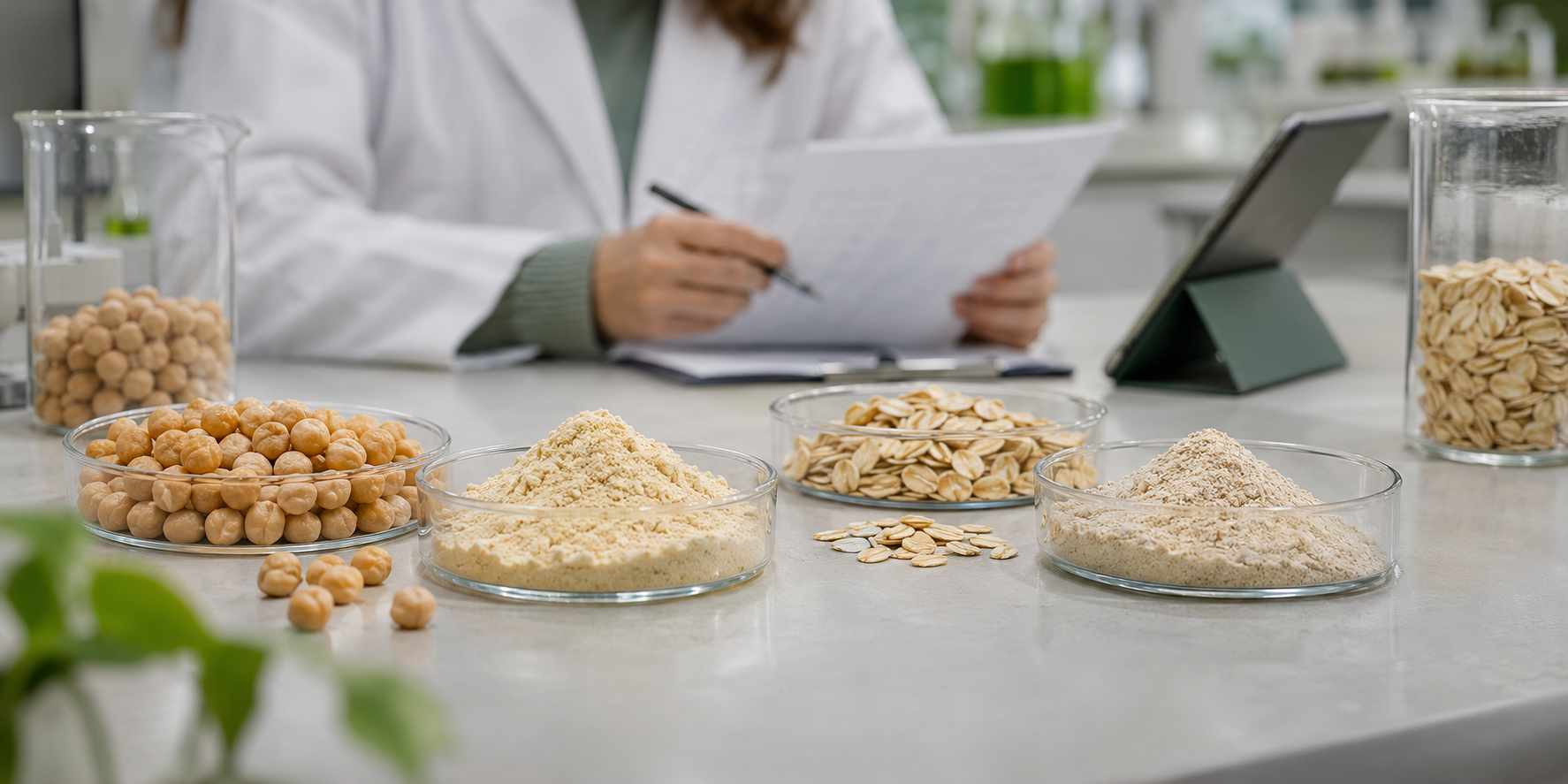
A company may start with a commonly consumed legume, cereal or fruit and develop an ingredient with different properties. When separating, concentrating or transforming the raw material, an important question arises that should be addressed during research: whether the process is novel and whether it causes significant changes in the composition or structure of the food that affect its nutritional value or the level of undesirable substances.
In the case of ingredients, EU legislation requires food business operators to verify whether the product they intend to market in the European Union is a novel food. This verification is therefore a legal obligation.
Although it is not the only relevant regulatory consideration, it is the factor that most significantly affects the feasibility and time to market of many food innovations, as the classification of a product as a novel food means that authorisation from the European Commission is required.
Reviewing consumption history and the effects of processing
The analysis begins by reviewing the raw material’s history of consumption, examining whether there is evidence that it was consumed by humans to a significant degree in the European Union before 15 May 1997.
It is also necessary to determine the characteristic composition of the raw material and any undesirable substances it may contain, and then verify whether the unit operations applied are novel and whether they cause significant changes in the composition or structure of the raw material that affect its nutritional value or the level of undesirable substances.
Documentar las comprobaciones realizadas durante el desarrollo
Durante la realización de estas tareas de comprobación sobre la calificación del ingrediente como nuevo alimento, conviene ir documentando el estudio y recopilando toda la información justificativa, pues en caso de existir dudas, la normativa establece la obligación de consultar al Estado miembro en el que se quiera comercializar primero el producto, facilitando al mismo toda la información necesaria para que este pueda alcanzar una conclusión.
Working closely with the technical team helps identify the aspects that need to be assessed and progressively prepare the information and supporting documentation required for any potential consultation with the competent authorities.
Preparing a potential authorisation application
If the ingredient is classified as a novel food, it must obtain authorisation from the European Commission before being placed on the EU market, so that it can be included in the Union list of authorised novel foods.
The novel food authorisation application must be accompanied by a complex technical dossier. It is therefore advisable to begin compiling the data required for each section of the dossier, as well as identifying, notifying and conducting the studies and tests necessary for EFSA’s risk assessment.
It is important to consider consultation and authorisation procedures from the early stages of development, so that all the documentation required to accompany the applications can be prepared progressively.
Having technical and legal support from the outset of a project can be crucial for decision-making, as successful innovation depends not only on having good technology, but also on incorporating regulatory considerations from the earliest stages of development.