Secondary streams from the food industry may contain proteins, fibre, oils and other compounds of interest. Turning them into ingredients requires an understanding of their composition, a reliable supply and an application with market demand. Technological, economic, environmental and regulatory assessment helps identify valorisation opportunities and direct investment towards processes that can be sustained on an industrial scale.
The presence of a compound of interest in a by-product presents an opportunity for its use. To turn this into a business opportunity, it is necessary to determine what can be obtained, how consistently and for which application. This early assessment helps prioritise the most promising pathways and avoid developments that encounter difficulties when moving beyond the laboratory.
Characterising the stream and its variability
The first step is to understand the composition of the raw material, its moisture content, stability and storage conditions. It is also important to identify potential contaminants and microbiological risks that may affect its use. A sample with favourable characteristics may justify initial investigation, but process design requires representative information about the stream that will be used.
It is advisable to study different batches and production periods. Changes in production season, supplier or process can alter the concentration of compounds of interest and the behaviour of the raw material. Understanding this variability helps establish incoming material specifications and assess which operations will be needed to obtain an ingredient with consistent quality.
Assessing availability and logistics
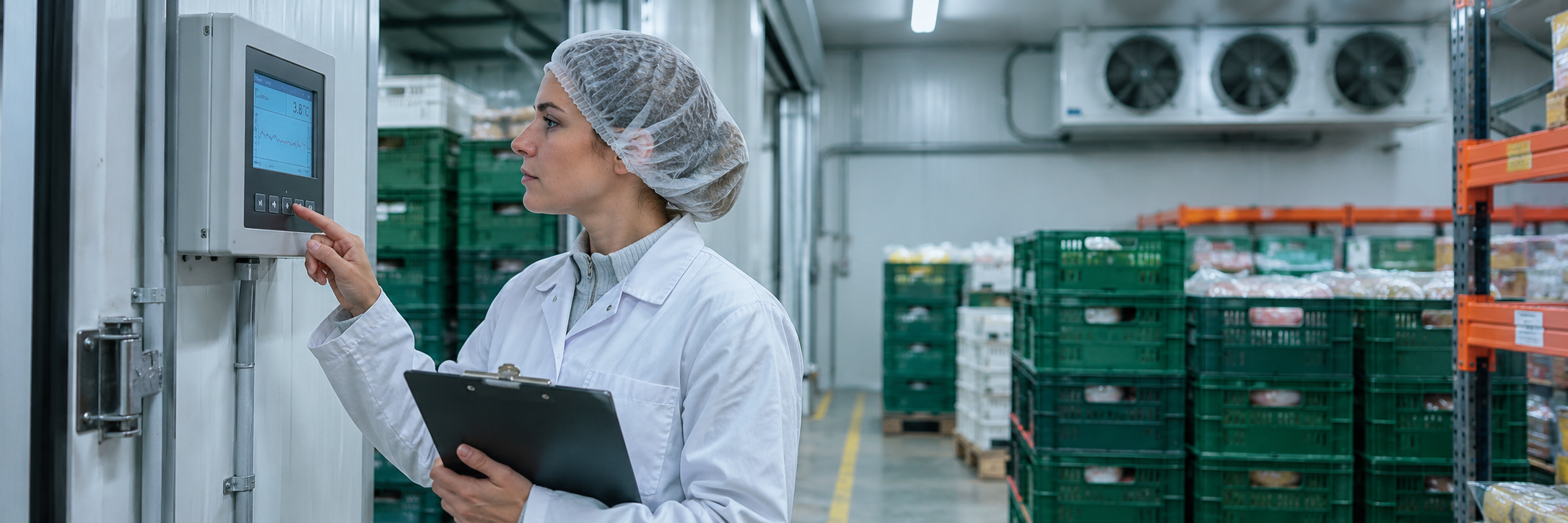
The quantity generated must be considered alongside the frequency of supply and the time available for processing. A wet, perishable stream may require rapid stabilisation, while seasonal production may require storage to maintain operations throughout the year.
Collection, segregation, transport and preservation all contribute to the cost of the ingredient. If these operations are considered too late in the project, they may undermine a valorisation pathway that appeared attractive in the laboratory. Working with local networks or specialised operators can facilitate recovery and use, provided that responsibilities and quality and traceability requirements are clearly defined.
Defining the application before selecting the process
Extracting a fraction should address a specific application need. If the aim is to obtain a fibre-rich ingredient, it is important to understand how it is expected to behave in a particular application, such as a dough, a beverage or a filling. If the goal is to obtain a protein fraction, its nutritional and technological properties will need to be studied, as well as its concentration.
These specifications guide the selection of technologies and the degree of separation required. Greater purity may increase processing requirements without adding value to the intended application. Trials with industrial users help determine which characteristics are relevant and what price the market can bear.
Assessing the overall costs and environmental impact
Economic feasibility must take into account the raw material, pretreatments, resource consumption, ingredient recovery and management of the remaining streams. Overall yield and the investment required are also important factors. A technology with a good extraction yield may prove uncompetitive if it subsequently requires a costly drying stage.
Environmental assessment must compare equivalent scenarios and account for the changes introduced by valorisation. Life cycle assessment makes it possible to examine resource consumption and emissions throughout the defined system. This helps determine whether the new pathway delivers an improvement and identify operations that require optimisation. Using a secondary stream does not, in itself, guarantee a lower environmental impact.
Valorisation of grape co-products
The collaboration between Bodegas Familiares Matarromera and AINIA to obtain ingredients from grape co-products provides an example of this strategy. The company has worked on recovering polyphenols and has highlighted its experience with AINIA in supercritical fluid extraction. The focus is on making use of fractions with a defined application, taking into account the requirements involved in obtaining them.
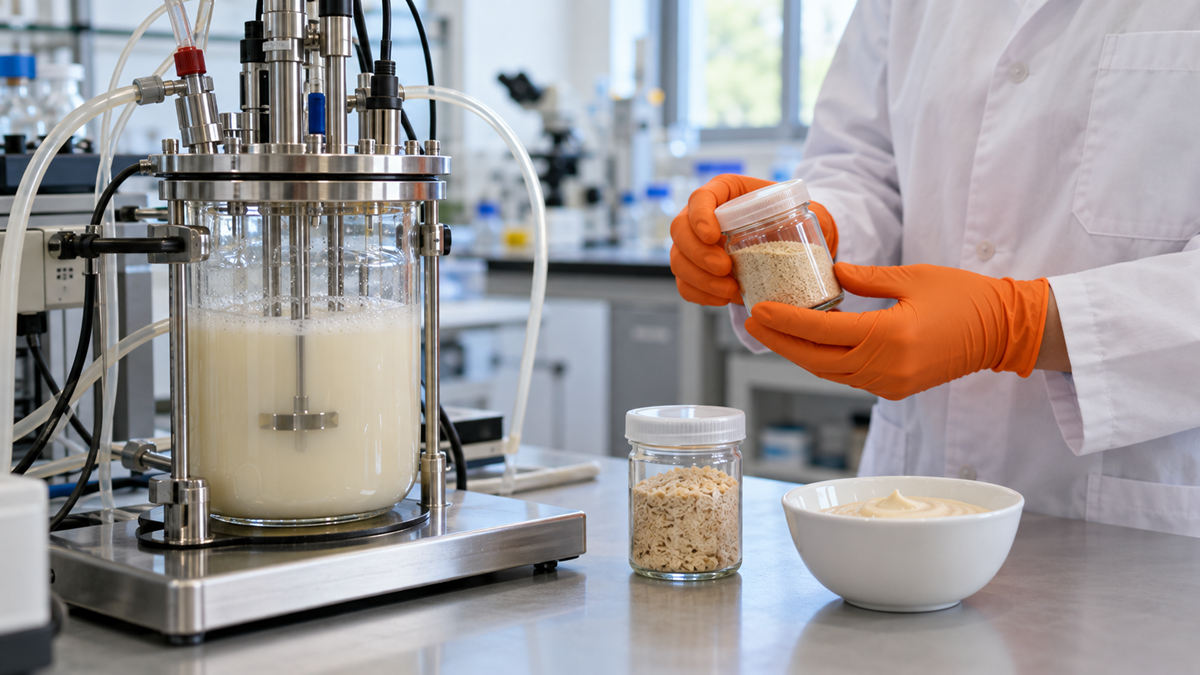
Another approach is to use secondary streams as substrates in biotechnological processes. In the development of Naturuel’s mycoprotein with AINIA, the design of a low-cost culture medium using secondary raw materials was investigated. In this case, valorisation is integrated into the production of a new ingredient and must be assessed alongside the yield and quality of the bioprocess.
Ensuring suitability for food use and progressing in stages
Before using the ingredient in food, it is necessary to assess the suitability and legal status of the raw material, the process and the resulting product. The designation of co-product or by-product used by the company does not, in itself, determine its legal status or authorise its incorporation into a food product.
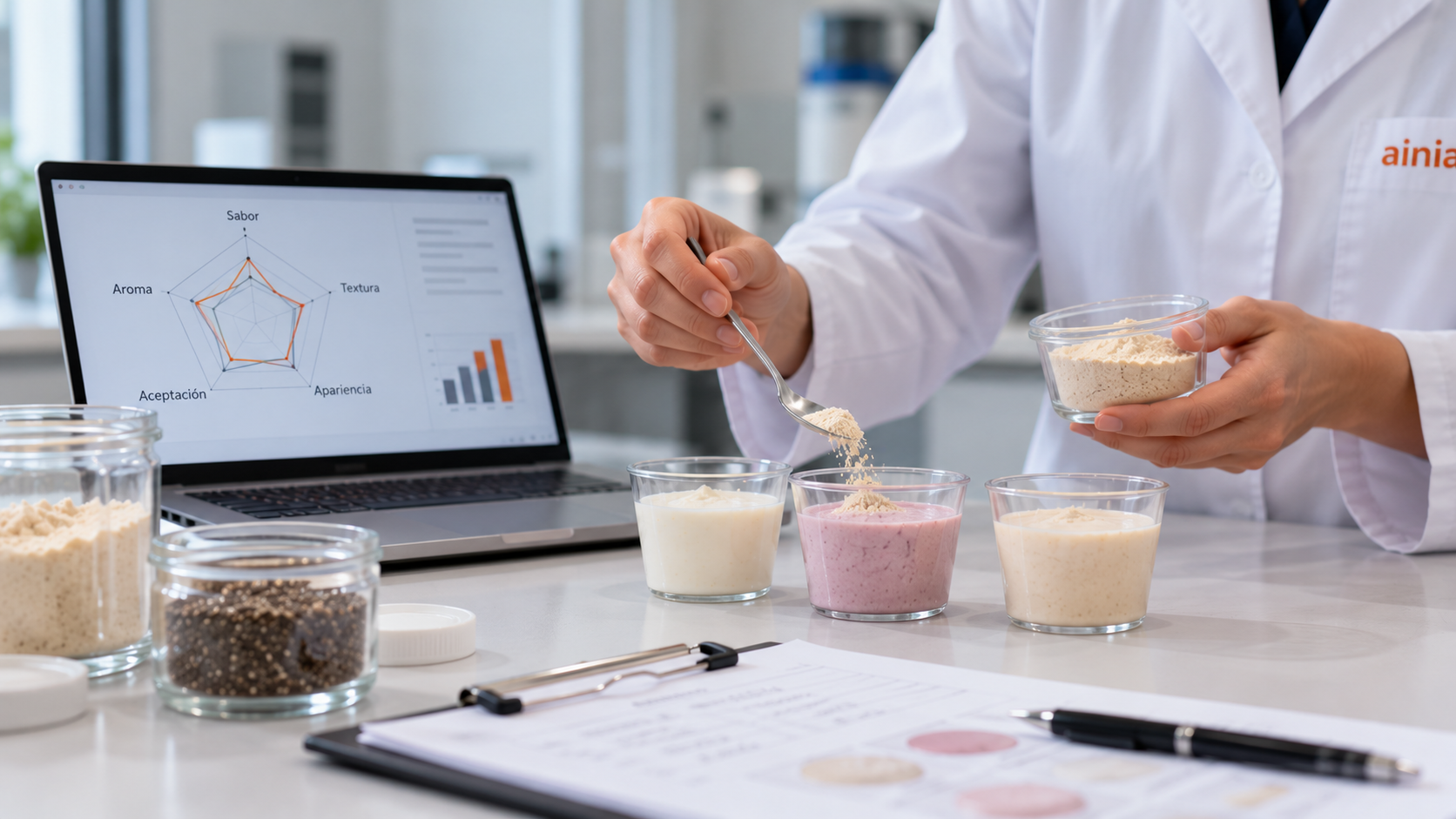
A step-by-step development approach makes it possible to assess composition, technological performance, costs and acceptance in the final application. This information can help determine whether to move to pilot scale, adjust the process or explore an alternative route. AINIA provides support in the characterisation of secondary streams, process development and ingredient assessment to guide valorisation strategies towards viable applications.