Not a partner company yet? Sign up here
AINIA / Laboratories / Technical assistance and studies / Early warning in food safety
Early warning system based on structured monitoring of official alerts and notifications

AINIA’s early warning food safety service is based on the daily, systematic and structured monitoring of food alerts, incidents and official notifications from international reference systems, such as RASFF.
Technical analysis makes it possible to identify notifications that reveal the emergence of new risks associated with specific products or hazards, as well as unusual increases in certain types of notification.
For risk characterisation, information from different sources is collected and cross-checked (e.g. official notifications, technical publications, sector alerts, news and other relevant studies).
The service is delivered through our SEALI Hub business platform , AINIA’s solution specifically designed to provide, among other services, this type of structured external food safety monitoring.
Through SEALI Hub, the daily monitoring of relevant international alerts and notifications is centralised, applying technical criteria for analysis and prioritisation.
SEALI Hub translates the available information into understandable early signals that can be directly used by companies within their food safety management systems.
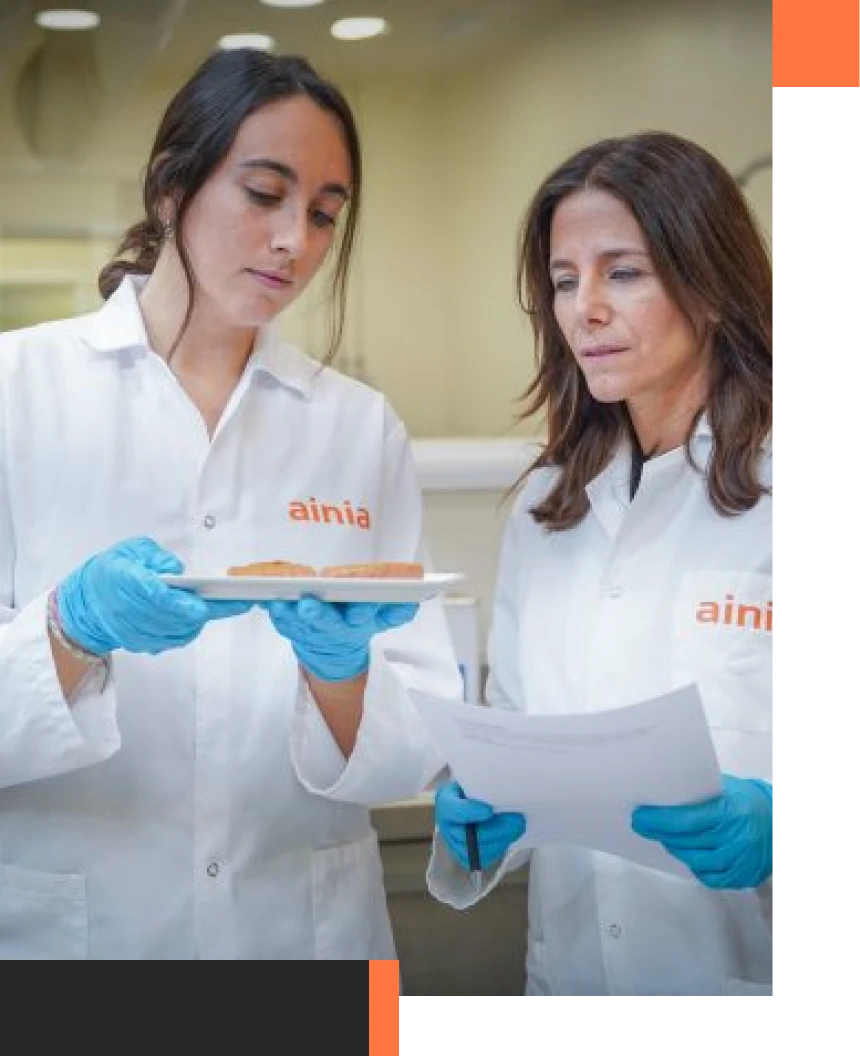

Food companies use the service as an ongoing support tool to monitor international notifications relevant to their products and raw materials on a daily basis. The information is incorporated into the periodic review of hazards and the updating of control plans, enabling preventive action in response to early signals detected in the international environment without the need to deploy their own daily monitoring resources.
Leave us your details and we will contact you to answer your questions or continue the conversation.