AINIA / Laboratories / Microbiology / Whole genome sequencing (WGS)
- Microbiology
Whole genome sequencing (WGS) of bacterial isolates
Advanced genomic characterisation of bacterial isolates for research and microbiological risk management
Genomic characterisationto understand and control microbiological risk
In a context of increasing demands from authorities, customers and self-monitoring systems, companies need tools that enablein-depth and precise characterisation of bacterial isolates beyond species-level identification.
Having complete genomic information is essential to understand relationships between isolates, compare strains and robustly support decision-making in food safety and hygiene control.
Our solution
Whole genome sequencing of bacterial isolates
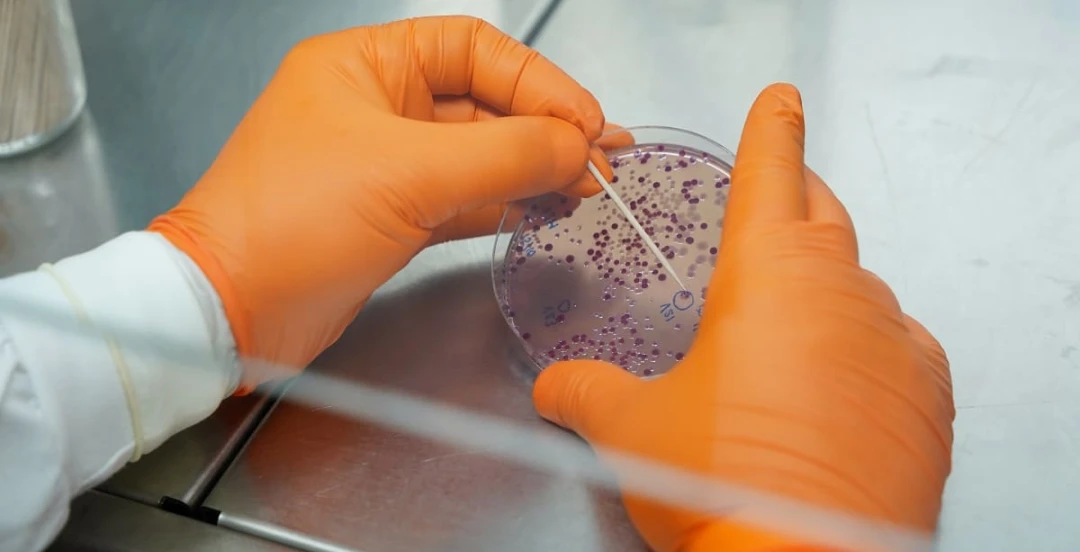
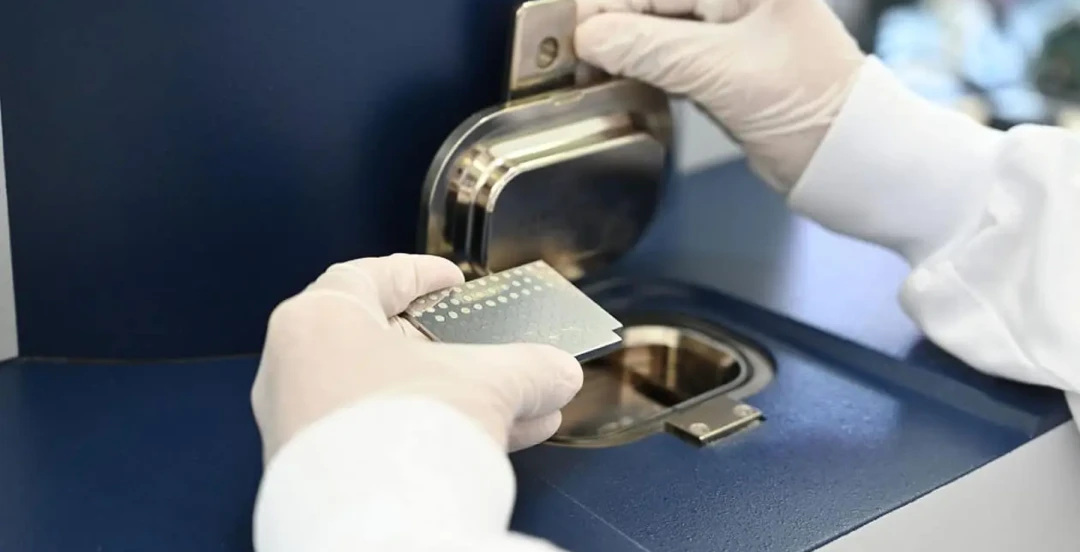
The complete sequencing service for bacterial isolates (Whole Genome Sequencing, WGS) offered by AINIA is based on the analysis of the complete genome of bacteria previously isolated using culture techniques.
Genomic characterisation and bioinformatic analysis
Sequencing and the associated bioinformatic analysis enable comprehensive characterisation of the isolate, including its genetic identity, phylogenetic relationships and the presence of genetic elements of interest.
Expert interpretation of results
Expert interpretation of the results is carried out taking into account the context of the product, process and environment, providing highly valuable technical information for traceability studies, incident investigations and support for microbiological risk management.

Applications
- Genetic comparison of bacterial isolates from food, surfaces or facilities.
- Support for the investigation of outbreaks and microbiological incidents.
- Studies of persistence and recurrence of contamination in production environments.
- Advanced characterisation of strains of interest in food safety.
- Technical support for microbiological monitoring programmes and specialised studies.
Impact and benefits
- High resolution in the characterisation and differentiation of bacterial isolates.
- Improved traceability and attribution of contamination sources.
- Strengthening of the scientific basis for decision-making in complex situations.
- Advanced complement to classical microbiology and molecular biology techniques.
- Robust technical support in audits, incident investigations or interactions with authorities.
Use case
Traceability of contamination and persistence of strains in the plant
Food companies use complete sequencing of bacterial isolates to investigate the relationship between isolates obtained from products and from surfaces in the plant (traceability), in order to determine possible sources of contamination and assess the persistence of certain strains. Genomic analysis enables precise comparisons between isolates and provides robust technical evidence to guide control and prevention measures.
Would you like to know more?
Leave us your details and we will contact you to answer your questions or continue the conversation.