Studies of the growth potential of Listeria monocytogenes

Characterisation of the behaviour of Listeria monocytogenes in ready-to-eat (RTE) foods
Growth potential of Listeria

Ready-to-eat (RTE) foods represent one of the highest-risk categories in relation to Listeria monocytogenes, as they do not require further treatment by the consumer before consumption and may allow the pathogen to grow during their shelf life.

The correct classification of these products according to whether or not they can support the growth of Listeria monocytogenes is key both to food safety management and to compliance with the applicable regulatory requirements, particularly in the context of the microbiological criteria established for this pathogen.

The amendment to Regulation (EC) No 2073/2005 regarding Listeria monocytogenes reinforces the regulatory approach based on the ability of ready-to-eat (RTE) foods to support or not support the growth of the pathogen throughout their shelf life. Beyond a one-off microbiological criterion, the legislation places the characterisation of the behaviour of Listeria monocytogenes as a determining factor in defining the applicable criterion and the obligations of the food business operator throughout the product’s commercial shelf life.

In this context, companies must have robust scientific evidence that enables them to correctly classify their RTE products and justify this classification to authorities and auditors. Growth potential studies therefore play a key role, as they determine the application of microbiological criteria, influence the definition of shelf life and provide legal and technical certainty in risk management, particularly for products that are more susceptible to the growth of Listeria monocytogenes.

Our solution

Design and execution of studies

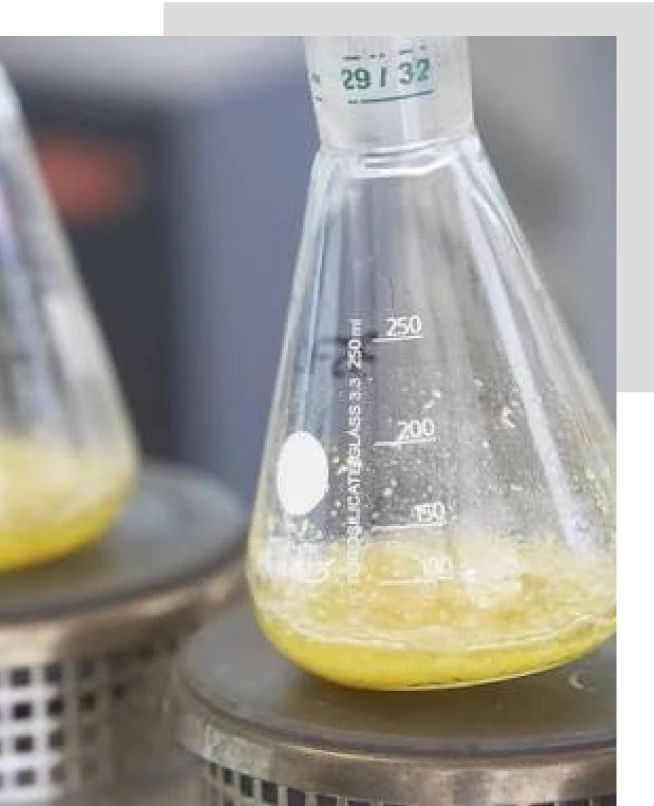
AINIA’s Listeria monocytogenes growth potential study service is based on the design and execution of experimental studies aimed at assessing whether or not a food can support the growth of this pathogen throughout its shelf life.

Real conditions

The studies are carried out on RTE products under their actual formulation and packaging conditions.

Storage scenarios

Unfavourable but realistic storage scenarios are considered, reflecting foreseeable variations in the distribution and use chain.


Applications

Examples of higher-risk products

Impact and benefits

Listeria monocytogenes: How to address the risk?

Listeria monocytogenes has become one of the main microbiological risks in the European food industry. In this infographic, we address what is changing in Europe, what evidence the regulatory framework requires and how to tackle the risk from a practical approach. In addition, you will get a checklist to determine the shelf life of your foods.

Success stories

Would you like to know more?

Leave us your details and we will contact you to answer your questions or continue the conversation.


Laura Verdú
Quality and Food Safety

You may be interest in