AINIA / Laboratories / Microbiology / Identification of antimicrobial resistance (AMR)
- Microbiology
Studies and identification of microorganisms with antimicrobial resistance (AMR)
Detection and characterisation of microorganisms with antimicrobial resistance in the food sector
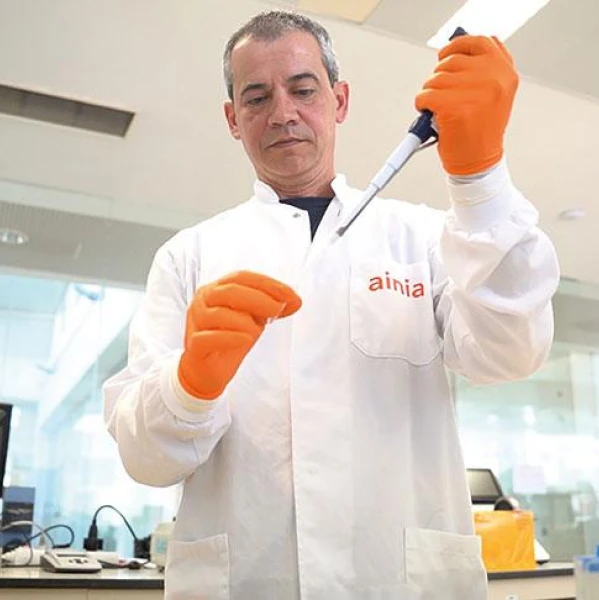
Antimicrobial resistance: a challenge for food safety
Resistant microorganisms may be present throughout the food chain — in food, raw materials, on surfaces and in facilities — and act as a vector for the spread of resistance, affecting both food safety and consumer confidence.
In this context, companies in the food sector need reliable technical information to identify the presence of microorganisms with antimicrobial resistance and characterise their resistance profiles, as a basis for risk assessment and compliance with current control approaches integrated into the “One Health” strategy.
Our solution
Detection and characterisation of resistant microorganisms
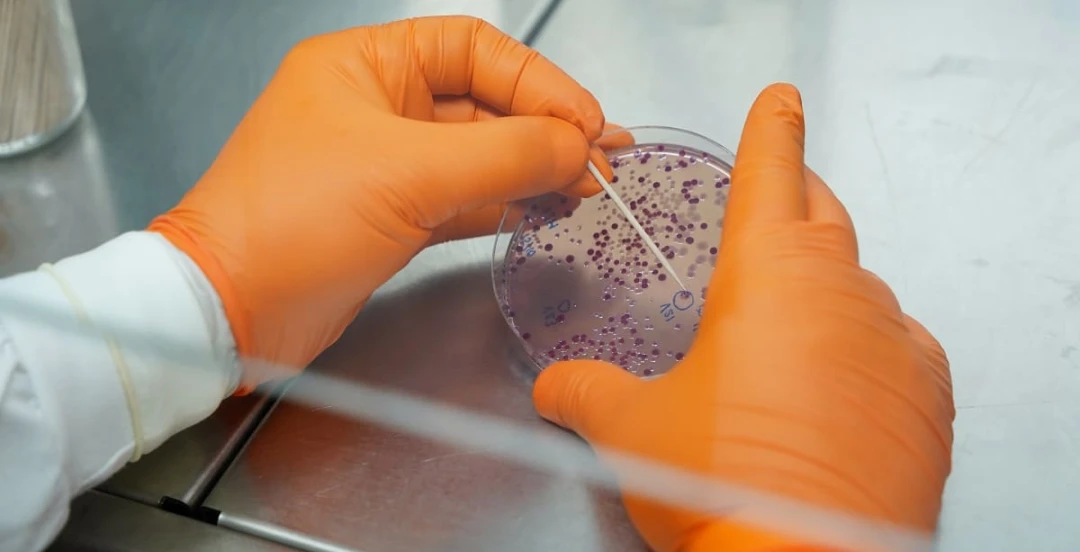
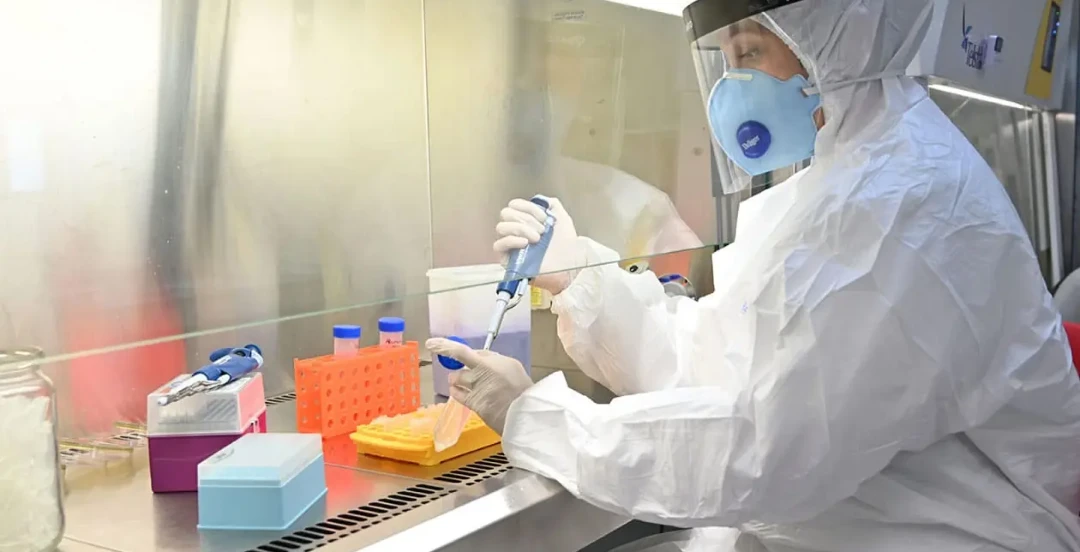
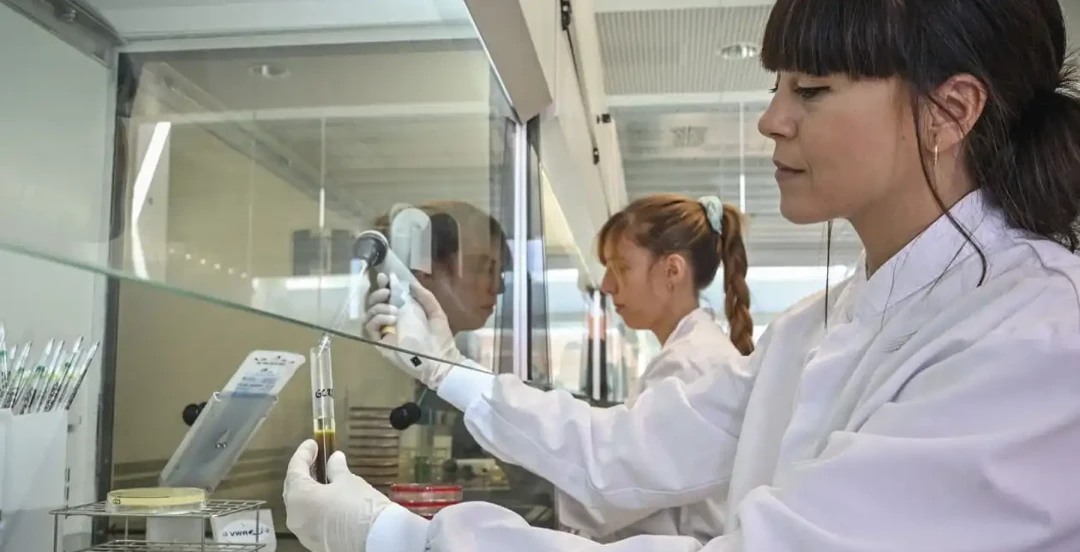
AINIA's service for the study and identification of microorganisms with antimicrobial resistance (AMR) is based on the detection and characterisation of resistant microorganisms present in food, on surfaces and in production environments.
Microbiological and molecular methodologies
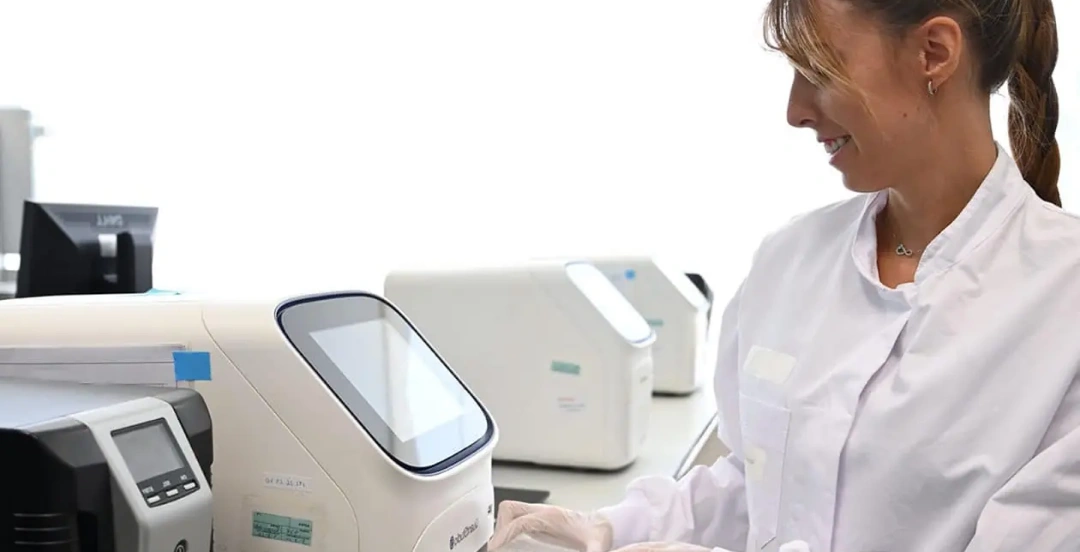
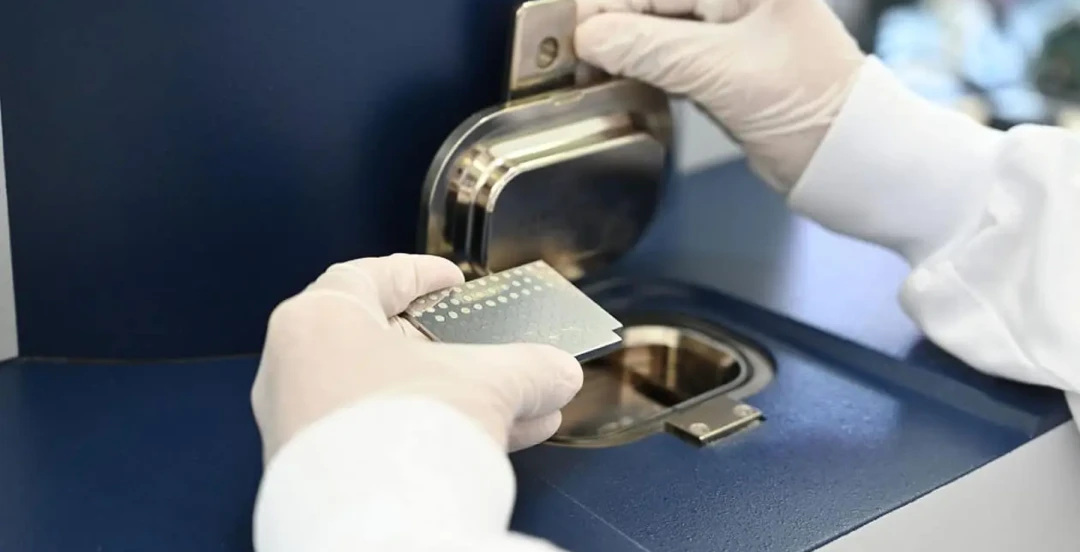
The approach combines microbiological and molecular methodologies that enable the identification of both microorganisms and their associated antimicrobial resistance determinants.
Expert interpretation of results
Expert interpretation of the results takes into account the context of the product, process and environment, providing relevant technical information to understand the significance of AMR detection from a food safety and risk management perspective.
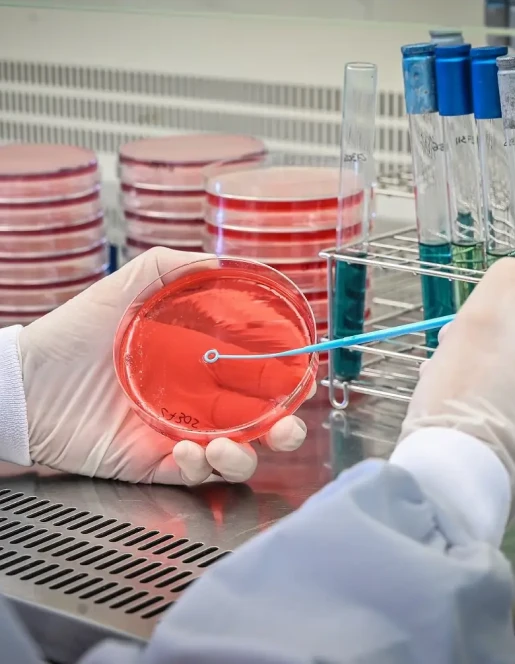
Applications
- Identification of microorganisms with antimicrobial resistance in food and raw materials.
- Detection of AMR on surfaces and in food industry facilities.
- Support for monitoring and risk assessment studies associated with antimicrobial resistance.
- Generation of technical evidence for control and monitoring programmes.
- Technical support for studies related to food safety and public health.
Impact and benefits
- Improved knowledge of the presence and distribution of microorganisms with AMR in the food chain.
- Strengthening of the technical basis for risk assessment from a “One Health” perspective.
- Support for informed decision-making in microbiological control.
- Contribution to the monitoring and responsible management of antimicrobial resistance.
- Greater technical robustness in the context of audits, research projects or information requests.
Use case
AMR monitoring in food products and environments
Food companies use AMR studies to investigate the presence of resistant microorganisms in products or production environments, particularly as part of monitoring programmes or projects aimed at improving food safety. The results provide a technical characterisation of the risk associated with antimicrobial resistance and support informed decisions on microbiological control and environmental management.
Would you like to know more?
Leave us your details and we will contact you to answer your questions or continue the conversation.