Not a partner company yet? Sign up here
AINIA / Laboratories / Physico-chemical / Volatile and semi-volatile metabolite profile – Volatilomics
Analytical characterisation of VOC and SVOC profiles as a tool for diagnosing sensory quality, detecting deviations (off-flavours) and technically verifying authenticity.
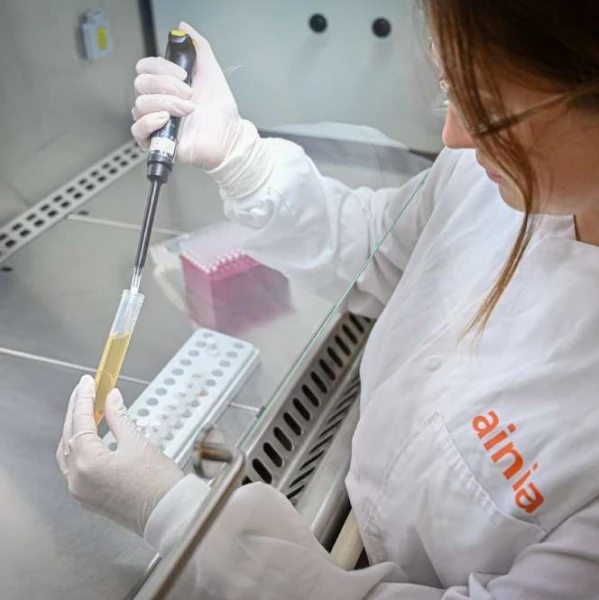
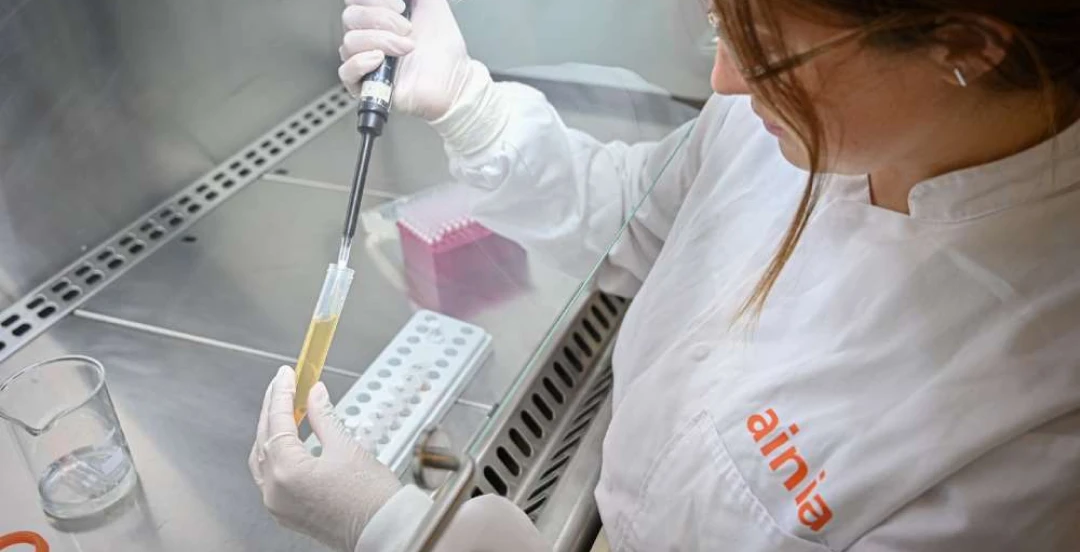

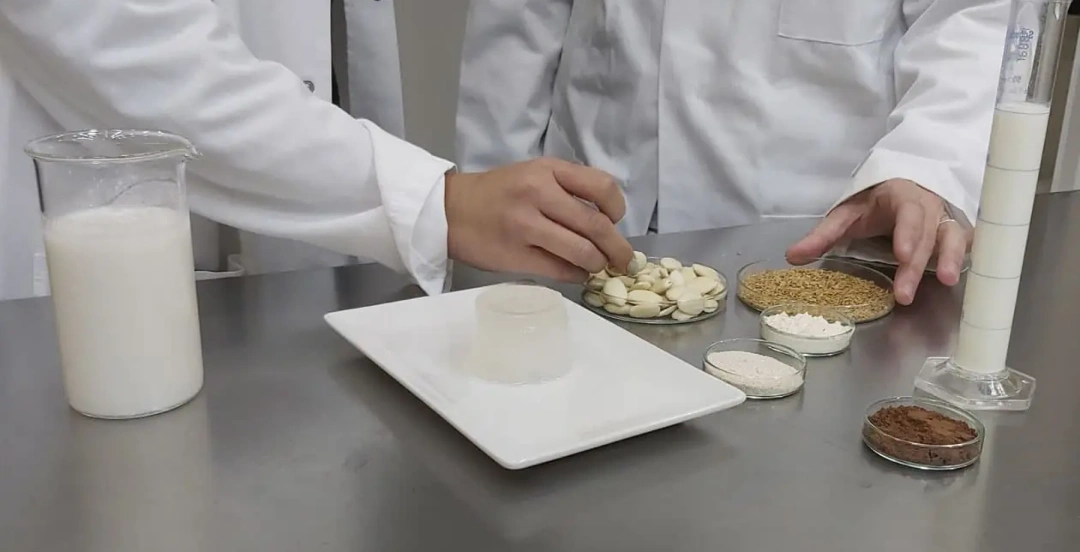
In the agri-food industry, many quality and authenticity issues manifest as changes in the profile of volatile and semi-volatile compounds (VOCs/SVOCs): the appearance of abnormal odours, loss of aroma, oxidative notes, cross-contamination or potential adulteration.
These compounds may originate from the food itself, ingredients, processes (e.g. heating, oxidation) or interactions with contact materials.
Conventional approaches based solely on general physicochemical controls or sensory panels may be insufficient to:
In this context, the industry needs instrumental evidence tocharacterise VOC/SVOC profiles and support technical decisions (batch acceptance/rejection, process adjustments, specification reviews or incident investigations).
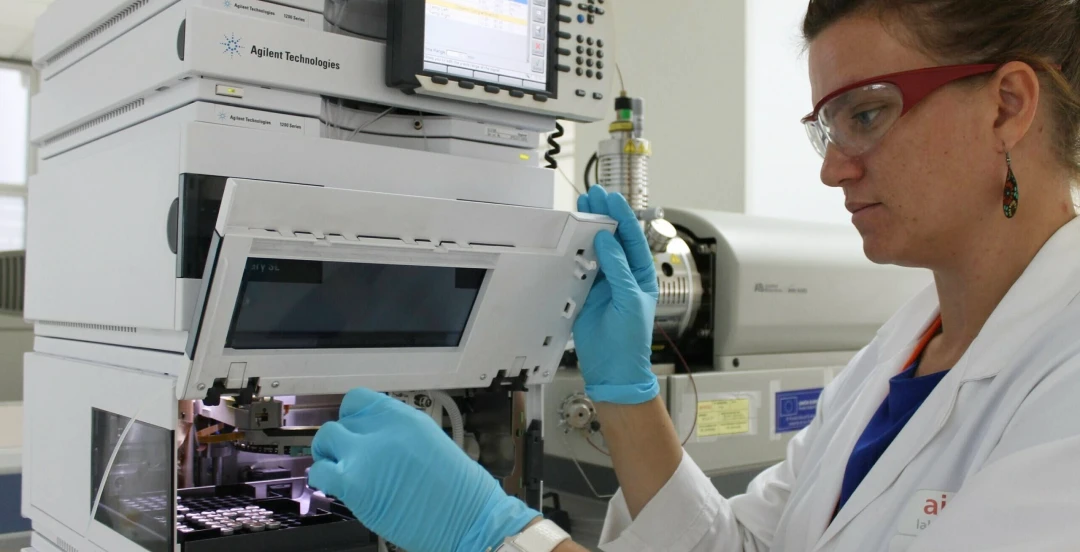
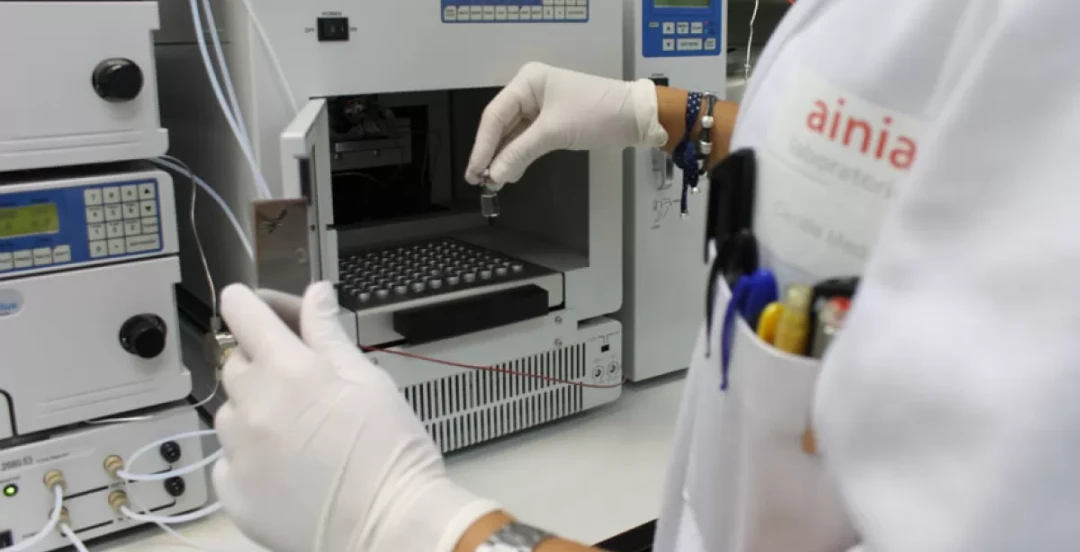
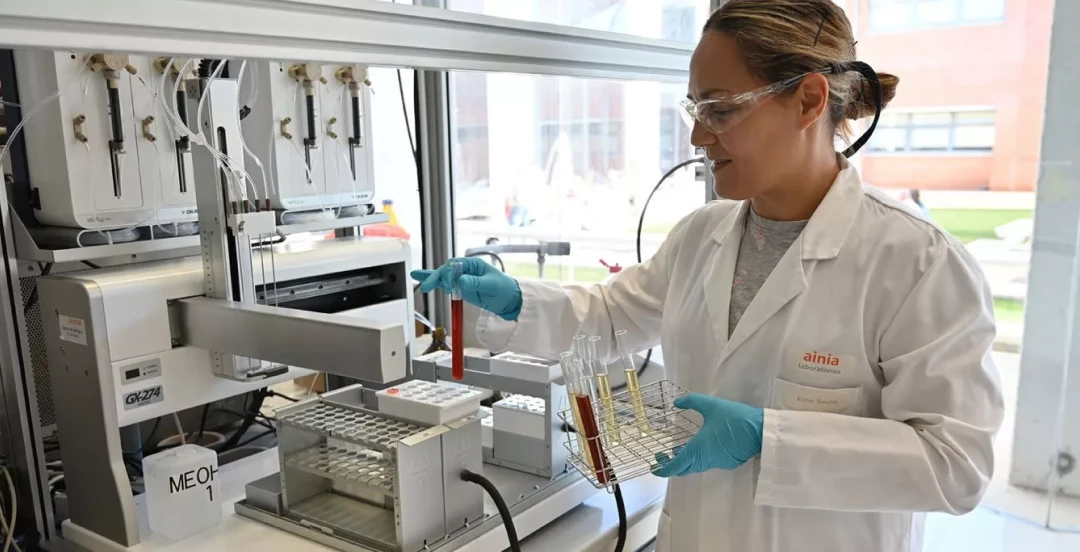
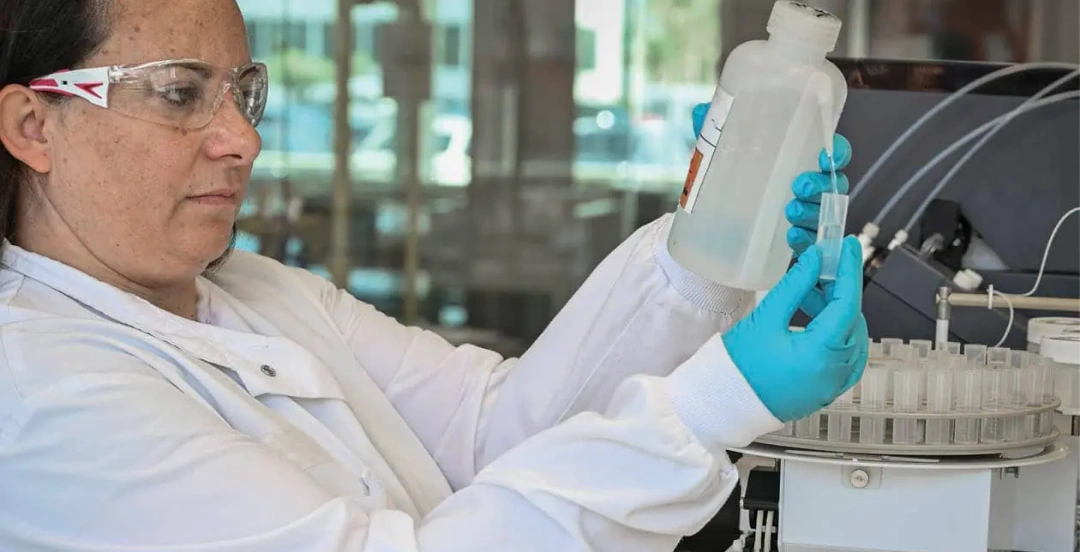
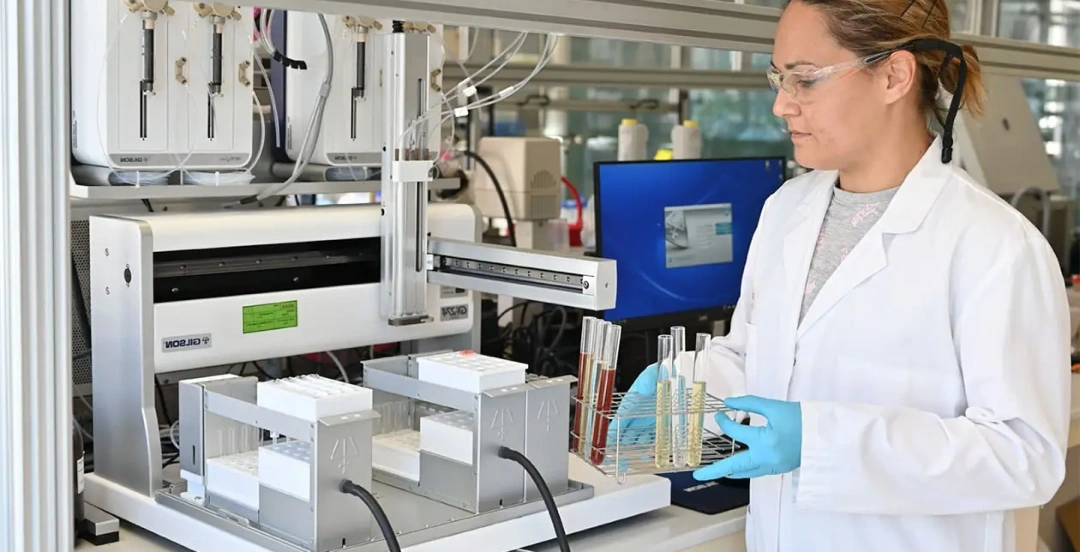
AINIA characterises volatile and semi-volatile compound profiles (volatilomics) using gas chromatography coupled with mass spectrometry techniques, with a profiling (fingerprint) approach and comparison between samples/batches or against references.
In particular, the use of GC–MS with sample preparation based on headspace and solid-phase microextraction is described, with applications such as aroma profiling, identification of off-flavours, assessment of solvent residues and support for authenticity/fraud studies in food, packaging or plant extracts.
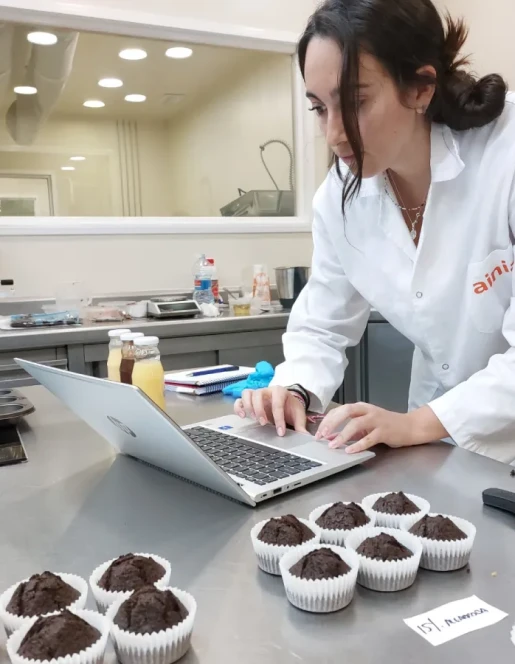
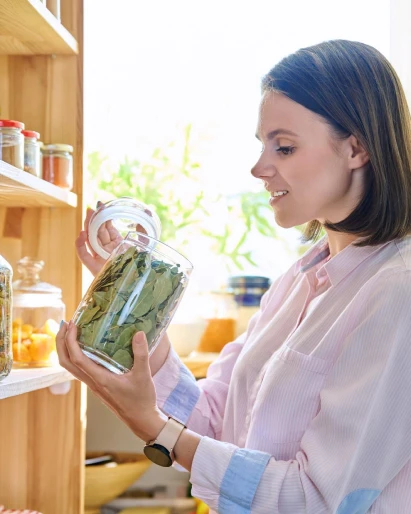
A manufacturer detects an abnormal odour in an ingredient batch (e.g. a plant extract) and needs to determine whether there is an objective deviation from a “normal” profile. Volatile compound profiling is carried out by comparing the affected sample with a reference sample, identifying differential compounds (abnormal, present in excess or absent) and providing a technical interpretation of the differences observed. Based on this evidence, the company decides whether to block the batch, request additional information from the supplier or expand controls, without the analysis replacing its responsibility for decision-making and management.
Leave us your details and we will contact you to answer your questions or continue the conversation.