The EU is working on new legislation to establish additional controls for infant formula and special foods for infants, in order to ensure that the toxin cereulide is not present in these foods. Consultation is currently open on the draft Regulation that will amend Regulation (EC) No 2073/2005 on microbiological criteria, introducing for the first time a specific food safety criterion for cereulide, a toxin produced by certain strains of Bacillus cereus.
The initiative follows several incidents reported between December 2025 and May 2026, during which the detection of cereulide in infant foods from different manufacturers led to product withdrawals in several Member States and third countries.
What is cereulide and why is it a concern?
Cereulide is an emetic toxin produced by certain strains of Bacillus cereus. One of its main characteristics is its high stability under commonly used heat treatments, including pasteurisation and sterilisation, which means that it can remain in the food until the time of consumption.
According to the Commission’s proposal, contamination is usually associated with deficiencies in manufacturing practices, particularly problems related to temperature control or facility hygiene, conditions that favour the growth of Bacillus cereus and the production of the toxin. Likewise, cereulide may reach the final product through contaminated ingredients incorporated during the manufacturing process. From a preventive perspective, this makes it particularly important to review not only the final product, but also the points in the process where the presence of spores, favourable temperature conditions, prolonged waiting times, difficult-to-clean areas or the accumulation of organic residues may coexist.
Regulatory concern is particularly high in the case of infants, due to their lower body weight and limited capacity to metabolise and eliminate toxic substances.
A new criterion based on the absence of quantifiable toxin
The proposal introduces a new entry in the chapter on food safety criteria of Regulation (EC) No 2073/2005. Specifically, it establishes a criterion for cereulide applicable to:
- Infant formula.
- Follow-on formula.
- Foods for special medical purposes intended for infants.
The proposed criterion sets a maximum limit of 0.1 µg/kg in dehydrated products, a value that corresponds to the limit of quantification (LOQ) which, according to the Commission, can be routinely achieved using the available analytical methods. The proposal therefore adopts a preventive approach based on the absence of quantifiable toxin in products placed on the market.
For liquid products, the limit must be adjusted taking into account the reconstitution factor defined by the manufacturer, in order to ensure compliance with the same threshold of 0.1 µg/kg in the equivalent dehydrated form.
Specific analytical requirements
A particularly relevant aspect of the proposal is the introduction of technical requirements related to cereulide analysis. The Commission states that the assessment carried out EFSA highlighted the importance of ensuring adequate hydration of dry samples before extraction with acetonitrile when the ISO 18465 reference method is used. For this reason, the text proposes that dehydrated samples be reconstituted beforehand using the water-to-product ratio indicated by the manufacturer before proceeding with analytical extraction. The possibility of using other reconstitution ratios is also envisaged, provided that validation data are available demonstrating equivalent toxin extraction efficiency.
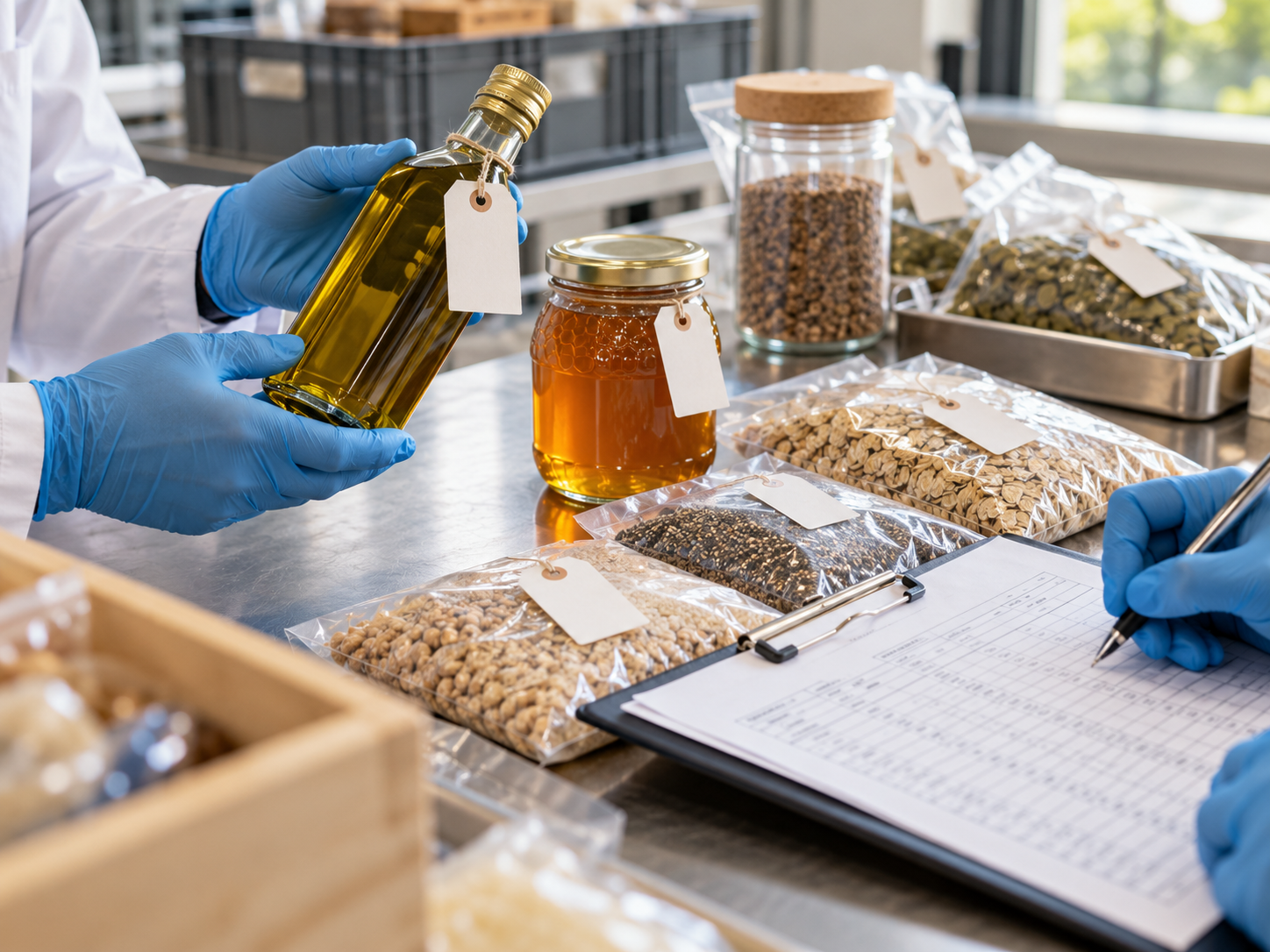
For industry, this point is key: cereulide analysis should be interpreted within a broader risk assessment strategy, which may include the characterisation of raw materials, the review of process parameters, verification of cleaning procedures, investigation of potential sources of contamination in the plant and validation of preventive measures. In this context, analytical services should be complemented by a technological and hygiene and sanitary assessment of the process.
Implications for the food sector
Although the proposal is still in the adoption phase and does not constitute a definitive official position of the European Commission, it anticipates a clear regulatory trend towards greater control of toxigenic hazards associated with Bacillus cereus in foods intended for vulnerable populations.
Manufacturers of infant formula and foods for special medical purposes should pay particular attention to preventive control systems, raw material management and analytical verification programmes, as the future criterion is based on the direct detection of the cereulide toxin and not solely on the presence of the producing microorganism. This could encourage greater inclusion of specific cereulide testing within the control plans of certain operators.
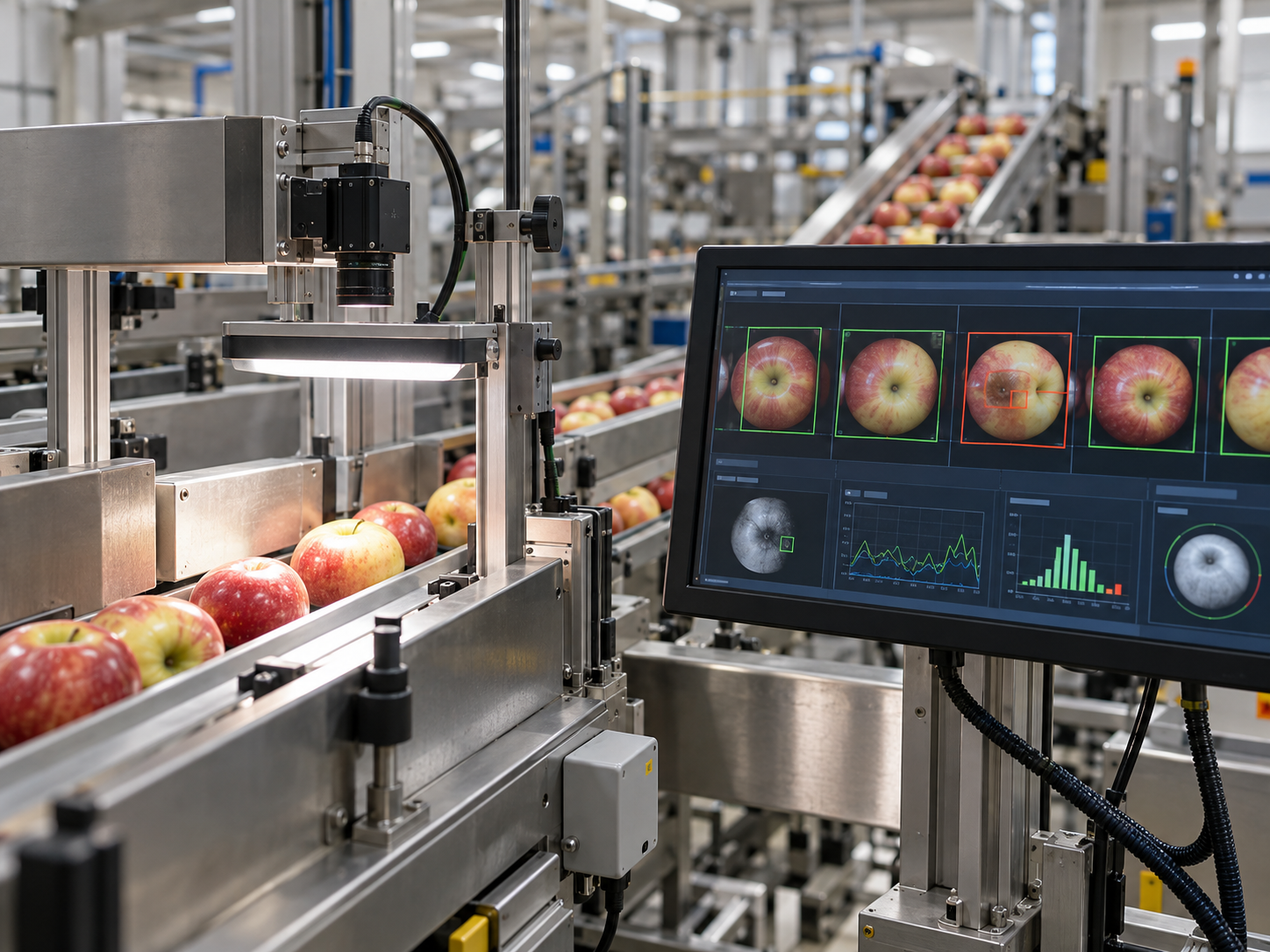
In practice, this creates the need to address cereulide control through a combined approach: specific toxin analysis, environmental or intermediate product contamination studies, review of process circuits, assessment of times and temperatures, and hygienic design assessment of equipment, piping, tanks, transfer areas or areas where accumulations that are difficult to clean may occur. This type of study makes it possible to identify vulnerable points before the problem appears in the finished product.
Conclusion
The proposal to amend Regulation (EC) No 2073/2005 represents a significant step in managing the risk associated with cereulide in infant foods. If confirmed under the terms currently proposed, the European Union will have, for the first time, a harmonised food safety criterion for this toxin, strengthening the protection of one of the most sensitive groups from a toxicological perspective: infants. For operators, the challenge will not only be to demonstrate compliance through analytical results, but also to integrate this control into a preventive strategy linking the laboratory, process, industrial hygiene and facility design.
At AINIA, we will continue to monitor the development of this legislative initiative and any technical developments that may arise from its adoption. For companies interested in assessing this hazard, AINIA provides analytical services for the determination of cereulide in food, as well as technical capabilities to support the review of control plans, the design of plant contamination studies, the assessment of process conditions, hygiene verification and the identification of opportunities for improvement in hygienic design. This approach makes it possible to move from a response focused solely on the analytical result to preventive and traceable risk management.