Identifying possible adulteration is the first step, but prevention is only effective when the assessment is translated into decisions on suppliers, raw materials and controls. A useful plan must prioritise risks and be updated when supply conditions change.
Food companies have procedures in place to control the quality and safety of the raw materials they purchase. However, fraud introduces a particular difficulty: alteration of the product or its information may be intentional and designed to bypass routine controls.
Therefore, preventing it requires assessing where the greatest vulnerability lies. The process begins with the identification of possible threats, continues with their assessment and leads to mitigation and control measures. Subsequent monitoring makes it possible to detect changes and review the decisions taken.
Identify the threats affecting each raw material
The starting point is to ask what type of fraud could affect each product: substitution with another of lower value, dilution, undeclared addition, falsification of documents or incorrect claims about origin and characteristics, among other possibilities.
To answer this, external and internal information must be combined. Alerts, communications from authorities, sector reports and scientific literature help identify incidents and detected practices. Within the company, complaints, analytical results and supplier incidents can also reveal weak points.
This review should focus on the company’s specific raw materials and supply chains. A general list of known frauds provides guidance, but does not replace the analysis of what is actually purchased and used.
Assess opportunity, motivation and control capability
Once the threats have been identified, they need to be prioritised. To do so, three issues can be examined.
The first is opportunity: the extent to which it is possible to adulterate a raw material or falsify its information without this being evident. Long supply chains, weak traceability or products whose authenticity is difficult to verify can increase this opportunity.
The second is economic motivation. Scarcity, price fluctuations and product value can make substitution or adulteration more profitable.
The third is control capability. It is necessary to assess whether the available documentary and analytical measures would detect the alteration being considered. A certificate or an analysis only provides protection if it verifies the appropriate aspect and its results are interpreted in the context of the product.
Potential impact should also be taken into account. In addition to possible health consequences, an incident can lead to withdrawals, non-compliance and reputational damage. Incorporating this impact into the assessment helps focus resources where the consequences would be most significant.
Moving from assessment to prevention measures
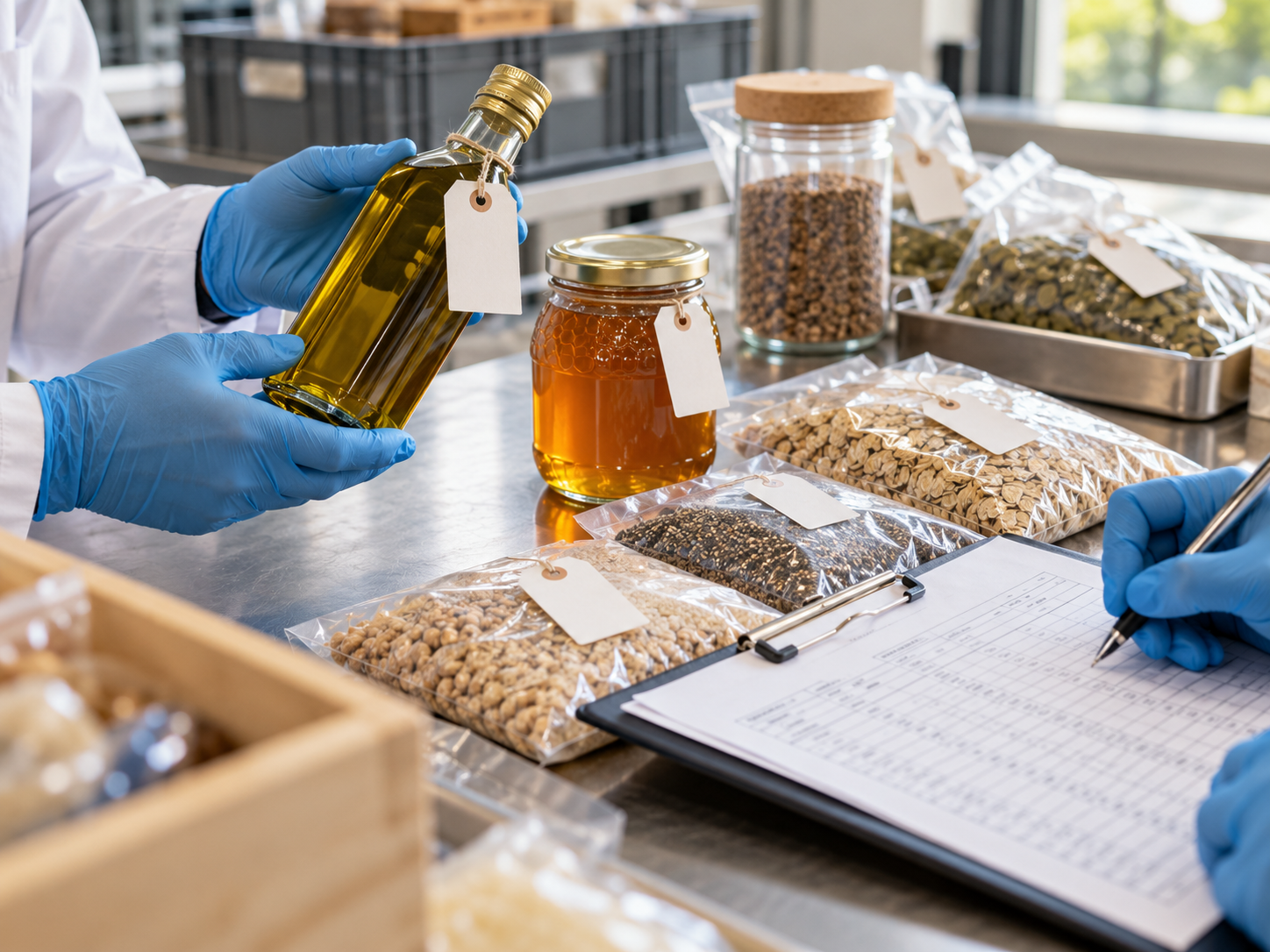
The usefulness of the assessment is demonstrated by the decisions it makes possible. Depending on the level of vulnerability, the company can better define purchasing specifications, request additional evidence of authenticity, review supplier approval or schedule an audit.
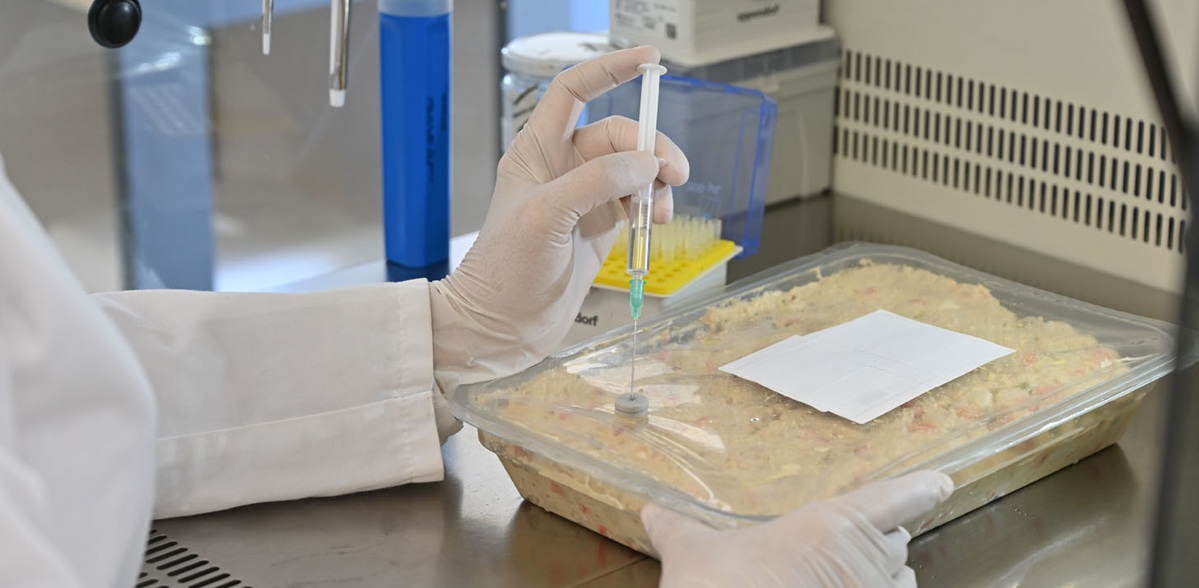
Analytical controls should be selected according to the fraud to be detected and the characteristics of the raw material. In some cases, it will be necessary to combine different analyses with documentary review and traceability to obtain a sufficiently robust view.
Prevention also involves the purchasing department. A decision about origin or supplier can alter exposure to fraud; therefore, the criteria established by quality and food safety must form part of the supplier selection and monitoring process.
When to review the plan
The vulnerability map should be updated when the conditions on which it was based change. The introduction of a new raw material or supplier, a change of origin, a product shortage, a significant price variation or the emergence of related alerts are reasons to review the assessment.
In addition to responding to these changes, it is useful to establish periodic reviews and maintain monitoring for new threats. In this way, the plan can be adapted before a vulnerability becomes an incident.
Managing food fraud goes beyond completing an assessment. The result should help decide what to buy, who to buy from, what to verify and how often to do so. When these decisions are based on up-to-date information and reviewed as the market evolves, prevention becomes integrated into the company’s day-to-day management.