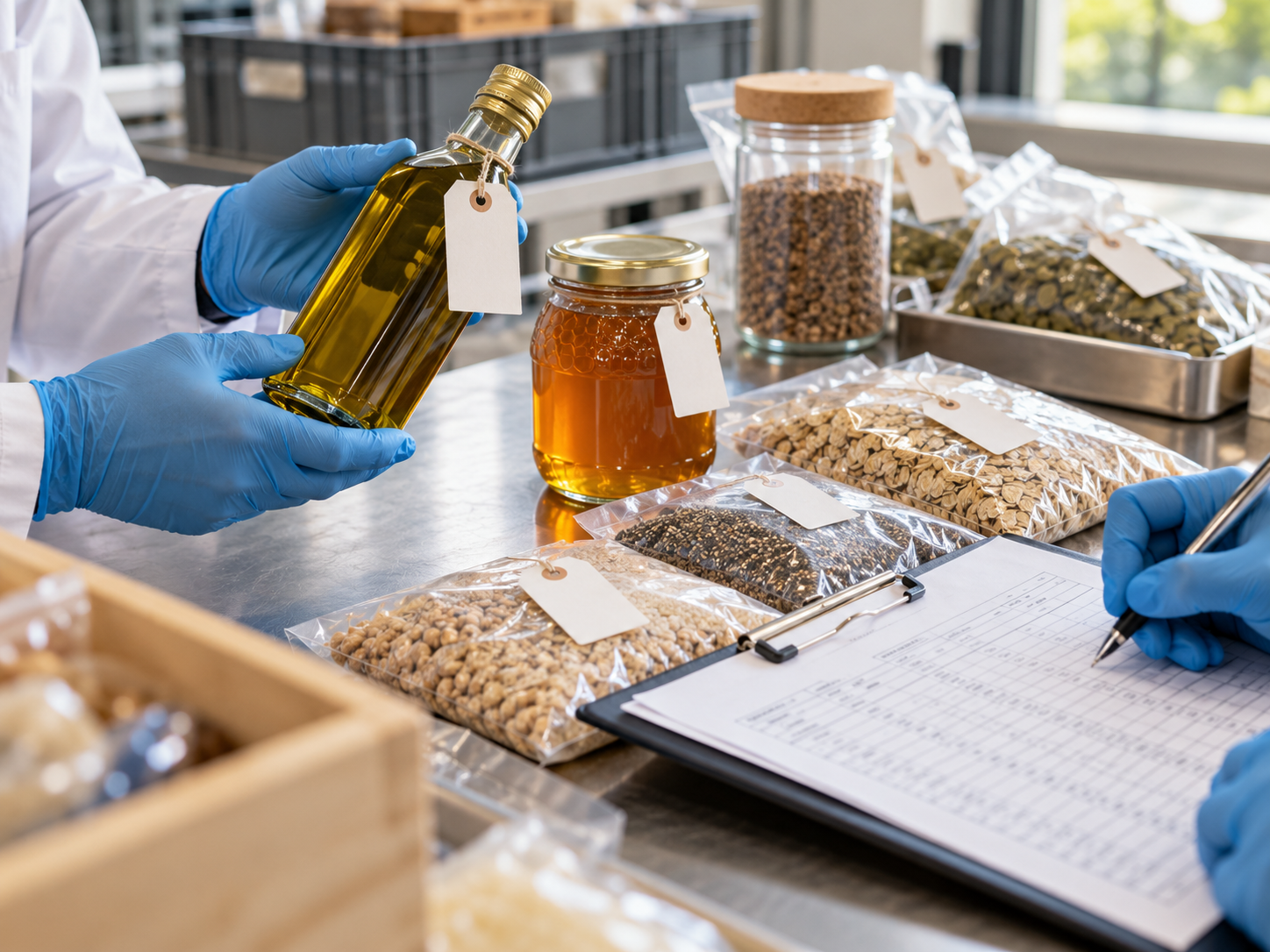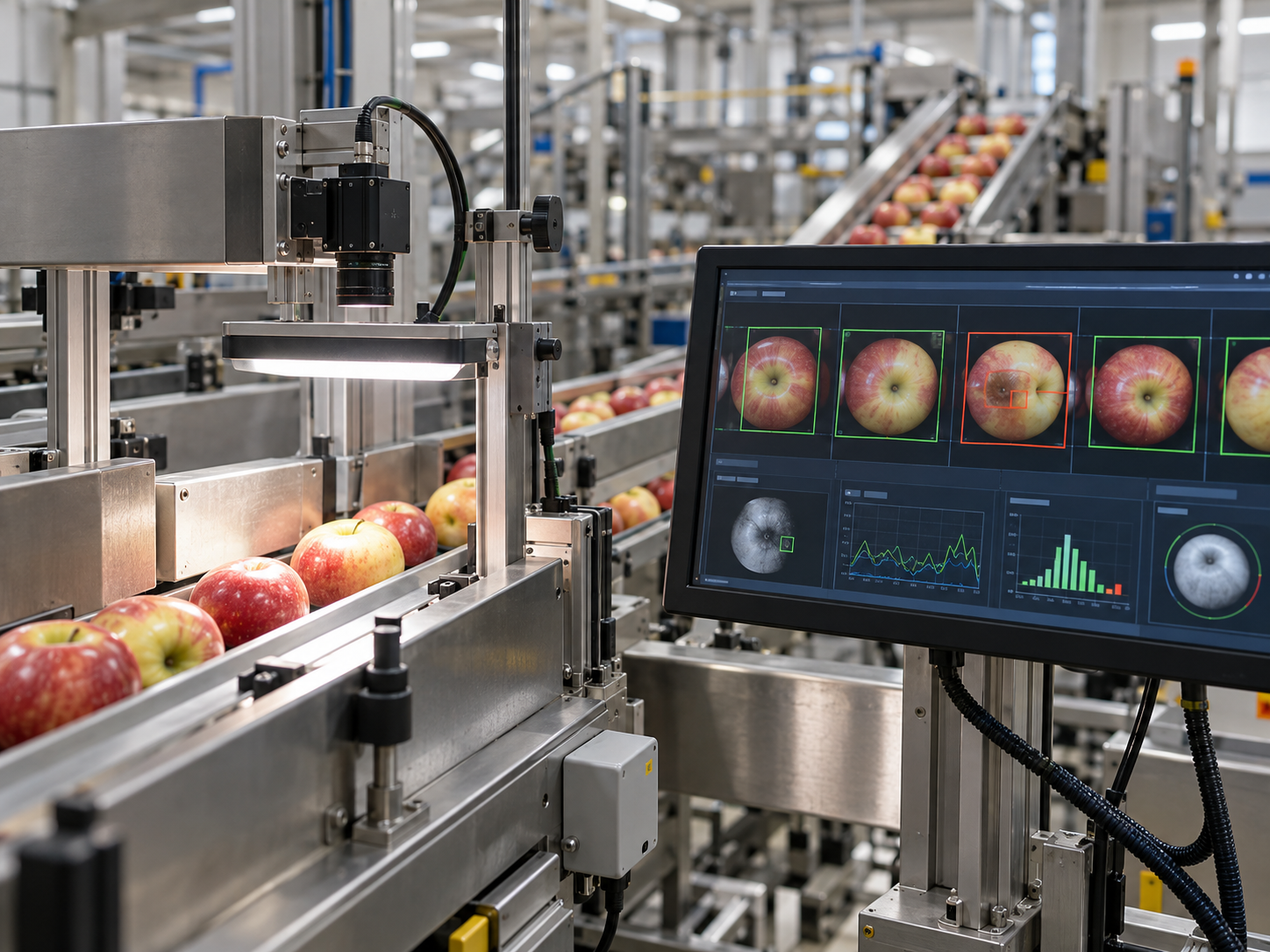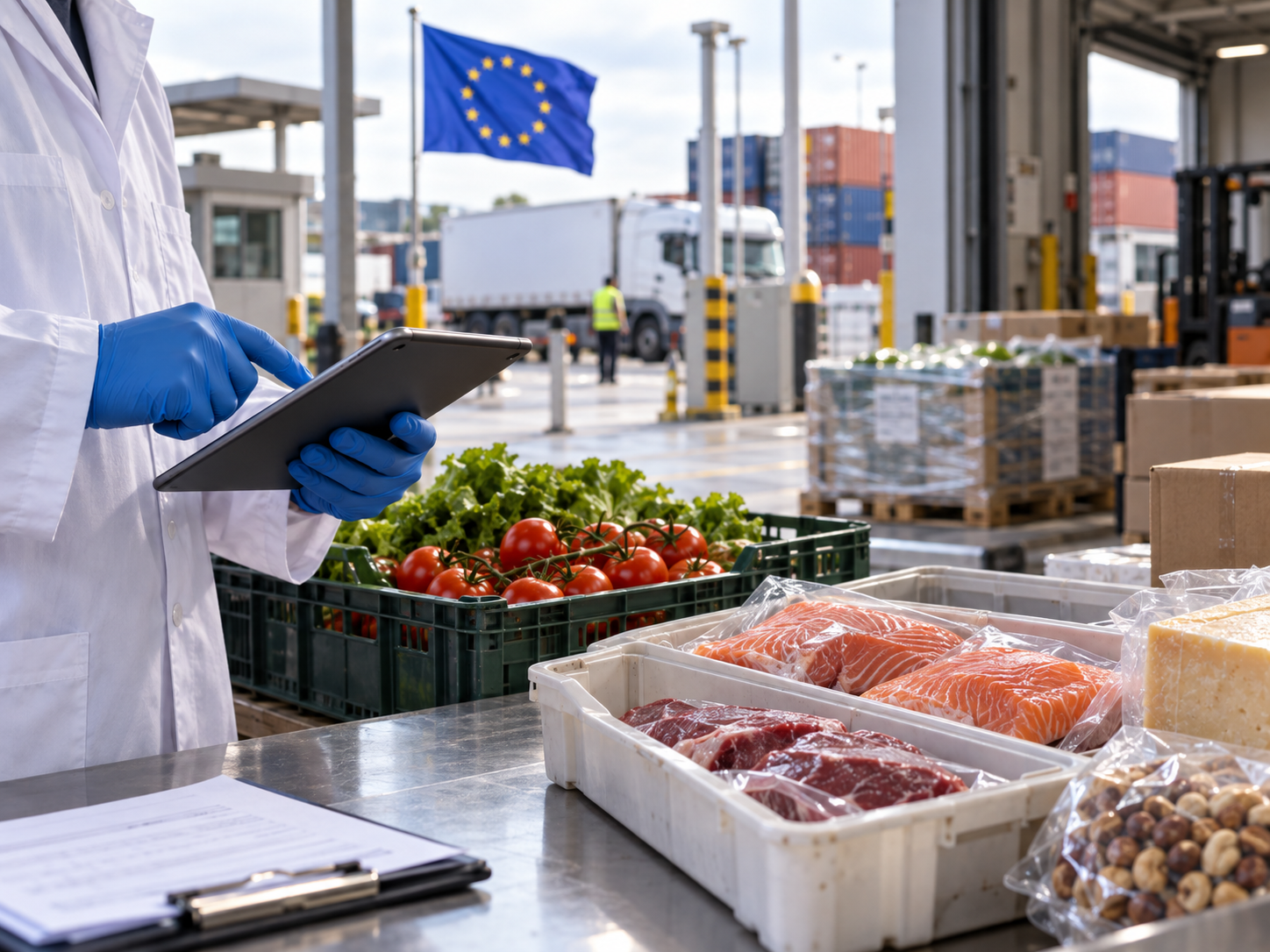
The shelf life of a food is the period during which a product maintains acceptable conditions of safety, quality, nutritional characteristics and sensory attributes under specific storage, distribution and use conditions. When any of these attributes no longer meets the established criteria, the product reaches the end of its shelf life. This apparently simple definition has very specific implications for industry: it requires an understanding of the product, anticipation of its deterioration mechanisms and technical justification of the conditions under which it is placed on the market.
Properly determining this period is a fundamental responsibility for food companies, as it makes it possible to establish best-before dates or use-by dates based on scientific evidence. In practice, however, a shelf-life study provides much more than a date on the label: it helps to understand how the product evolves, which factors affect its stability and what decisions can be made to improve its safety, quality and performance in the market. In these types of decisions, having the support of highly specialised technical staff with experience in products of different kinds makes it possible to transform analytical and experimental information into criteria that can be applied by Quality, R&D, Production and Food Safety teams.
In a context where consumers are demanding increasingly natural foods, with fewer additives, more sustainable packaging and higher sensory quality, understanding how the product behaves over time is essential to ensure a satisfactory experience throughout its commercial life and to avoid decisions based solely on conservative estimates or unrepresentative historical data.
Why is it important to carry out a shelf-life study?
From our experience, many enquiries arise when a company needs to justify shelf life during an audit, validate a change in formulation or packaging, enter a new market or respond to a stability issue. In all these cases, the value lies not only in analysing samples, but also in designing the study correctly and turning the results into defensible decisions. In fact, the shelf life of foods directly affects multiple areas of the company:
- Ensures the food safety of the product during its marketing.
- Makes it possible to establish consumption dates based on scientific criteria.
- Minimises the risk of complaints and product withdrawals.
- Reduces economic losses associated with returns or product losses.
- Facilitates the validation of new formulations or packaging materials.
- Helps reduce food waste by avoiding the assignment of excessively conservative or insufficient shelf lives.
- Makes it possible to assess logistical and commercial viability in national and international markets.
For this reason, shelf-life studies are a key tool for Quality, Food Safety, Production and R&D&I departments: they make it possible to justify decisions, document criteria for audits or inspections, validate changes and reduce uncertainty before launching or modifying a product.
First step: understand what limits the product’s shelf life
Each food has specific deterioration mechanisms that affect its stability. Before designing a study, it is necessary to identify the factors that may cause a loss of quality or compromise product safety.
For this reason, the starting point should not be limited to answering the question “how long does the product last?”, but should define what may fail first: microbial growth, loss of texture, oxidation, moisture migration, loss of aroma, colour change, failure to comply with a nutritional claim or loss of consumer acceptability. This initial reflection guides the entire experimental design and makes it possible to select the most appropriate microbiological, physicochemical and sensory analytical parameters to monitor the product’s evolution over time.
The importance of raw materials and the production process
The stability of a food does not depend solely on its final formulation. Variations in raw materials, ingredients, suppliers or manufacturing conditions can significantly influence its behaviour during storage.
Understanding this variability makes it possible to design more representative studies and establish a robust and realistic shelf life.
The role of packaging and distribution conditions
The shelf life of a food is determined by the interaction between the product, packaging and environment.
Packaging material can act as a barrier against oxygen, moisture, light or external contaminants, directly influencing product stability. Likewise, storage and distribution conditions can accelerate certain deterioration processes.
These factors are particularly relevant when products are intended for international markets or when complex logistics chains are expected.
In practice, this preliminary stage is what determines the quality of the study. The same shelf life may require very different approaches depending on whether it involves a chilled ready-to-eat product, a dehydrated food, a frozen product, a product with new packaging or a formulation with functional ingredients that are sensitive to oxidation, moisture or temperature.
Experimental design of a shelf-life study
Once the factors that may affect product stability have been identified, the experimental protocol that will make it possible to assess its evolution during storage is established.
The study design should translate product knowledge into a clear protocol that is proportionate to the risk and useful for decision-making. It is not simply a matter of scheduling checks over time, but of defining what will be measured, why it is being measured, under what conditions the samples will be stored, which criterion will determine the cut-off point and how the results obtained will be interpreted. This is precisely one of the areas in which AINIA can provide the greatest value: helping to select the most appropriate experimental approach for each matrix, deterioration mechanism and business objective.
A well-designed protocol should make at least four decisions traceable: the shelf-life hypothesis to be verified, the reasonably foreseeable storage scenarios, the critical attributes that will limit product acceptability or safety, and the technical criteria used to determine whether the product remains compliant.
Selection of control parameters
The parameters will depend on the characteristics of the product and the deterioration mechanisms previously identified. In some cases, the critical factor will be microbiological; in others, physicochemical or sensory. The important thing is to select indicators that make it possible to determine objectively when the product no longer meets the defined safety, quality or acceptability criteria.
Definition of storage conditions
The conditions most representative of the product’s actual life cycle are selected:
- Constant temperature.
- Chilled or frozen conditions.
- Thermal cycles.
- Controlled humidity.
- Exposure to light.
Number of samples and frequency of analysis
The protocol establishes:
- Number of batches to be assessed.
- Number of samples per check.
- Sampling frequency.
- Expected duration of the study.
- Control samples and reference conditions.
Accelerated shelf-life studies: obtaining answers in less time
Although definitive determination of shelf life requires monitoring the product under real conditions, accelerated shelf-life studies make it possible to anticipate its behaviour and obtain indicative results within a significantly shorter timeframe.
These tests consist of storing the product under controlled conditions that are more demanding than usual, with the aim of accelerating deterioration processes and obtaining predictive information about its future behaviour.
Accelerated studies are particularly useful during the development of new products or when decisions need to be made within short timeframes.
Its application will depend on the product and the predominant deterioration mechanism. In cases where the mechanism can be accelerated without altering its nature, accelerated studies are a highly useful tool for anticipating the behaviour of the food during storage, comparing formulation or packaging alternatives and supporting development decisions with experimental data within shorter timeframes. The key is not to confuse speed with simplification: acceleration must be based on a reasonable technical hypothesis and, where necessary, complemented by verification under real conditions.
From a practical point of view, this type of study makes it possible to answer common questions in industry: whether a reformulation affects product stability, whether new packaging maintains the necessary barrier, whether a proposed shelf life is sufficiently robust, whether an international logistics chain introduces a more unfavourable scenario or whether it is necessary to complement the available data with physicochemical and/or sensory studies. At AINIA, these types of approaches are addressed by combining analytical capabilities, product knowledge and food safety criteria so that the company has a solid technical basis before making decisions.
Study development and establishment of shelf life
During the study, the quality and safety attributes defined in the experimental protocol are monitored periodically.
The results make it possible to:
- Assess the evolution of the product over time.
- Identify the factors limiting shelf life.
- Establish acceptability limits.
- Determine the point at which the product no longer meets the established criteria.
- Define a shelf life based on the most unfavourable scenario considered.
The final result should not be limited to a number of months or days. A good shelf-life study should provide a scientifically grounded justification for the proposed duration, identify the storage conditions needed to guarantee it and provide useful information for correcting formulations, adjusting processes, reviewing packaging materials or defining follow-up controls.
Shelf-life studies throughout the product development cycle
Determining shelf life is not a one-off activity, but a process that accompanies the product throughout its entire life cycle.
Initial shelf-life study
It is carried out during the early stages of development to identify potential deterioration mechanisms and obtain a preliminary estimate of stability.
Preliminary determination of shelf life
It is carried out on finished product, usually from a pilot plant. It provides a first rigorous estimate of its commercial shelf life.
Confirmatory determination
It is carried out with product manufactured under industrial conditions or with the first commercial production runs to verify the hypotheses established during the previous stages.
Routine shelf-life monitoring
It consists of periodically verifying that the defined shelf life remains valid over time and that no deviations associated with the production process or supply chain occur.
Revalidation due to changes in the product
Any relevant change in ingredients, formulation, process, packaging system or storage conditions should be assessed to determine its impact on the previously established shelf life.
This approach makes it possible to integrate shelf life into routine business decisions: expanding into new markets, changing a supplier, reducing additives, replacing packaging materials, validating a new line, responding to an audit or assessing whether a product maintains its safety and quality under more demanding logistics scenarios. For these types of situations, AINIA provides technical support for microbiological, physicochemical and sensory shelf-life studies, accelerated studies and challenge tests.
Shelf life as an innovation tool
Today, shelf-life studies are much more than a technical or regulatory obligation. They are an essential source of information for the development of safer, more sustainable and competitive foods.
The combination of scientific knowledge, advanced analytical methodologies and experience in food technology enables companies to optimise their products, anticipate potential stability problems and offer consumers foods that maintain their quality characteristics throughout their commercial life.
In this context, AINIA’s technical support can add value from the very early stages: helping to identify critical product factors, select control parameters, define real-time or accelerated studies, assess the need to apply a challenge test, interpret results and turn them into practical decisions for R&D, Quality, Production and Food Safety. In this way, shelf life ceases to be a final labelling figure and becomes a tool for designing safer, more robust and competitive products, with the support of a technical team accustomed to working with a wide variety of matrices, processes and storage scenarios.