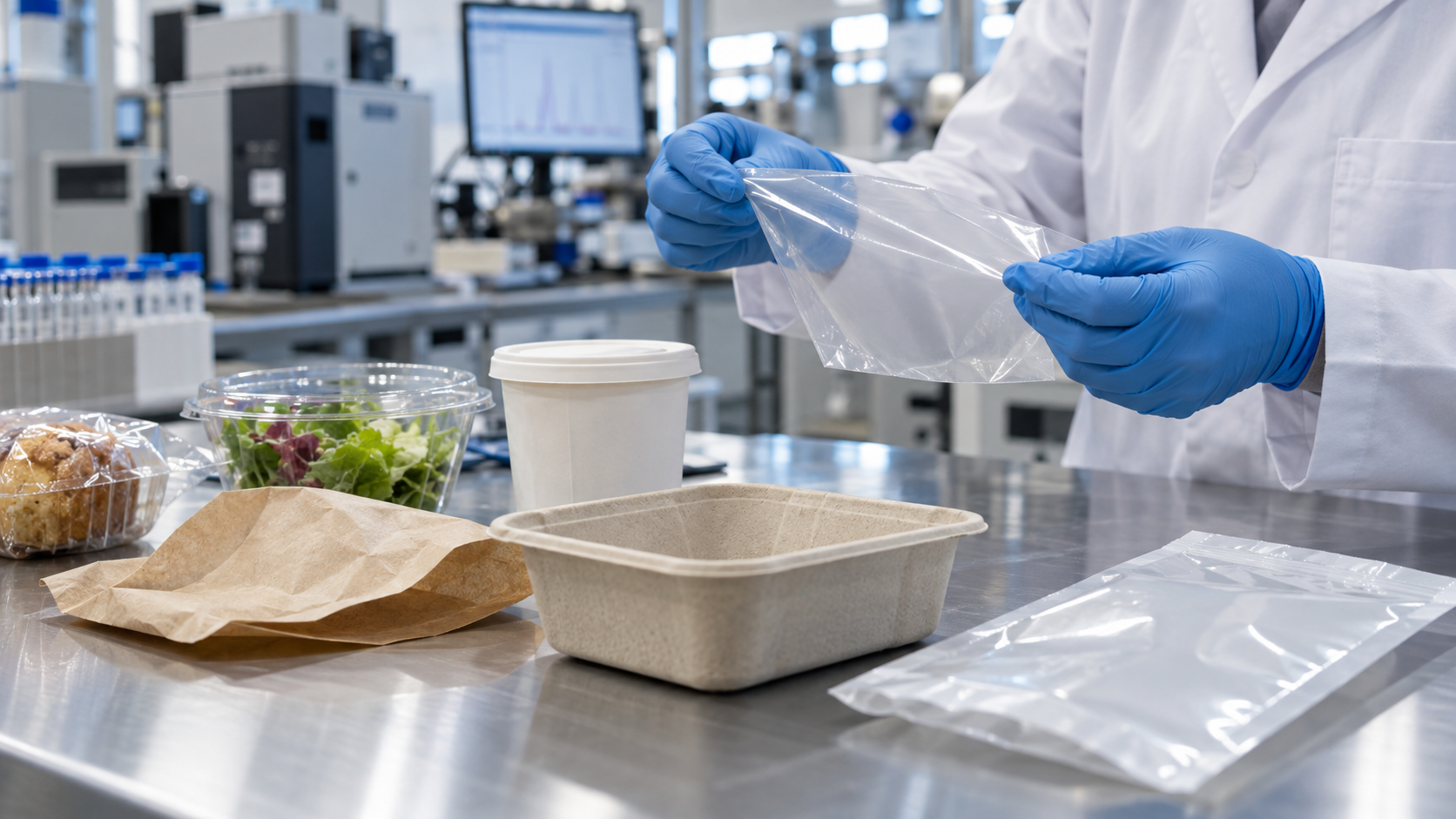
The European Packaging and Packaging Waste Regulation, known as the PPWR, introduces specific limits for the presence of perfluoroalkyl and polyfluoroalkyl substances (PFAS) in packaging intended to come into contact with food.
From 12 August 2026, food packaging placed on the European Union market must comply with the requirements established in the Regulation, including those relating to PFAS content. Manufacturers, food companies, packers and importers will need to review their materials, verify the information provided by their suppliers and have evidence available to demonstrate compliance.
What are PFAS and why can they be present in food packaging
PFAS comprise a broad family of synthetic chemicals used for their resistance to water, fats, heat and certain chemical agents. In food packaging, these properties can be useful for providing resistance to grease or moisture and improving certain barrier properties.
The persistence of these substances and their potential presence throughout the food chain have led to strengthened monitoring and control.
In packaging, PFAS are not associated solely with the main material, but also with coatings, surface treatments or components incorporated during manufacture and processing. For this reason, each solution should be assessed taking into account its composition, manufacturing process, intended conditions of use and the information available throughout the supply chain.
What does the PPWR establish regarding PFAS in food packaging
Article 5(5) of the PPWR establishes three thresholds for packaging intended to come into contact with food.
| Parameter | Limit |
| Any individual PFAS determined by targeted analysis, excluding polymeric PFAS | 25 µg/kg |
| Sum of PFAS determined by targeted analysis, excluding polymeric PFAS | 250 µg/kg |
| Total PFAS, including polymeric PFAS | 50 mg/kg |
*The determination of the sum of PFAS may include, where appropriate, prior degradation of precursors.
These values refer to the concentration of PFAS in the packaging and not to the amount that may migrate into the food. In addition, when the total amount of fluorine exceeds 50 mg/kg, information must be available to determine how much corresponds to PFAS and what proportion may come from other fluorinated substances.
The European Commission has clarified that packaging is considered to be placed on the market when it is supplied for the first time by the manufacturer or importer to another economic operator. Consequently, packaging that had already been placed on the market before 12 August 2026 may continue to be marketed after that date, and the PPWR does not establish a deadline for the sale or depletion of such stocks. The Commission has also indicated that packaging produced before that date should not automatically be destroyed, remade or relabelled as a result of the Regulation becoming applicable.
Although the limits are directly applicable from 12 August 2026, European technical initiatives continue to be developed to harmonise sampling and analytical determination methods for PFAS in order to facilitate verification of regulatory compliance.
Likewise, the European Packaging and Packaging Waste Regulation (PPWR) introduces new requirements concerning composition, sustainability, technical documentation, the EU declaration of conformity and future harmonised obligations related to packaging recyclability.
How to assess and demonstrate compliance with PFAS limits
The first step is to understand the materials and components of each package and review the documentation provided by suppliers, such as technical data sheets, specifications, composition declarations and available reports.
Supplier declarations, including those relating to the absence of intentionally added PFAS, can provide useful initial information. However, it is important to assess their scope, the substances and materials covered, and the evidence supporting them. Depending on the circumstances, this information may not be sufficient on its own to demonstrate compliance with the limits established in the PPWR.
It is also essential to maintain traceability in the event of possible changes in formulation, process or supplier.
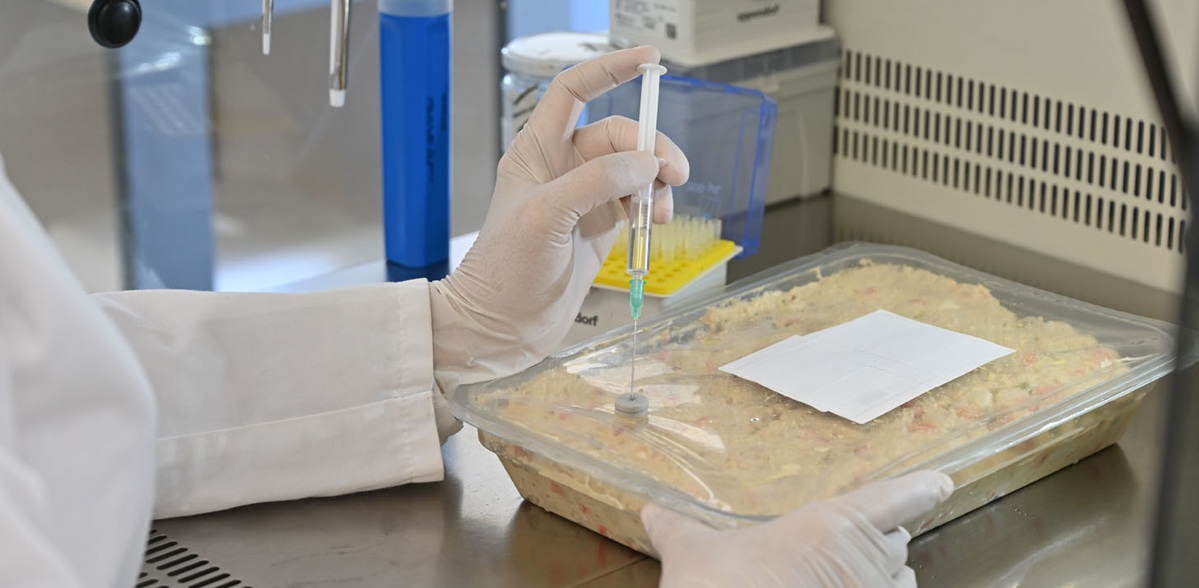
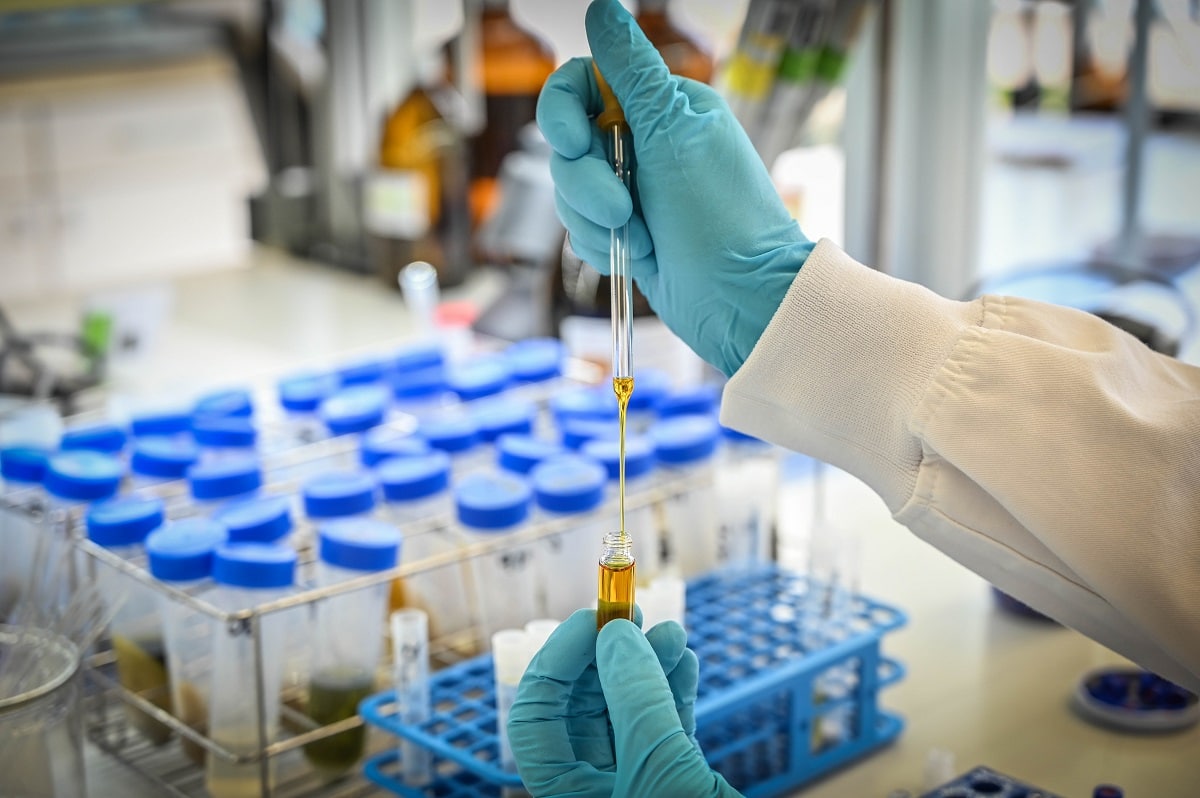
When the available documentation is not sufficient, it may be necessary to carry out analysis. Various European technical documents, including Commission Communication C/2026/3084, propose a tiered approach that may begin with the determination of total fluorine and, where necessary, be complemented by targeted analyses for the identification of specific PFAS and their precursors.
The results obtained support the technical documentation and can be used as evidence to support packaging declaration of conformity under the PPWR.
Alternatives to PFAS: substitution and validation of new materials
If a material exceeds the established limits or its compliance cannot be adequately demonstrated, it may be necessary to replace the affected coating, treatment or component.
To select a suitable alternative, the function it performs in the packaging must first be identified, such as resistance to grease or moisture, thermal stability or barrier properties.
The new solution must maintain packaging safety, its compatibility with the food and the industrial process, as well as product protection and shelf life. Before implementation, it must be validated under representative conditions of use to verify that it maintains the required performance and that its incorporation is compatible with the applicable PPWR requirements.
How AINIA can help
At AINIA, we help companies assess compliance with PFAS-related requirements through technical and documentary review, the definition of analytical strategies and the validation of alternative materials.
AINIA’s comprehensive PPWR Service combines regulatory expertise, analytical capabilities and technological experience in packaging materials to identify potential compliance gaps and define a roadmap tailored to the needs of each company.