
We help you identify your obligations, demonstrate the compliance of your packaging and prepare for the implementation of the PPWR Regulation
Regulation (EU) 2025/40 on packaging and packaging waste, known as the PPWR, introduces new requirements regarding sustainability, composition, recyclability, documentation and control for packaging placed on the European Union market.
From 12 August 2026, packaging manufacturers, food companies and packers will need to understand their role in the value chain, identify the requirements that apply to them and have sufficient technical evidence to demonstrate the compliance of their packaging.
At AINIA, we combine regulatory expertise, technological experience in packaging and analytical capabilities to help you address the PPWR in a practical way tailored to your business.
A service tailored to your position in the value chain
The obligations and required documentation are not the same for all companies. We therefore structure the service differently for packaging manufacturers and for companies that pack or market packaged products.
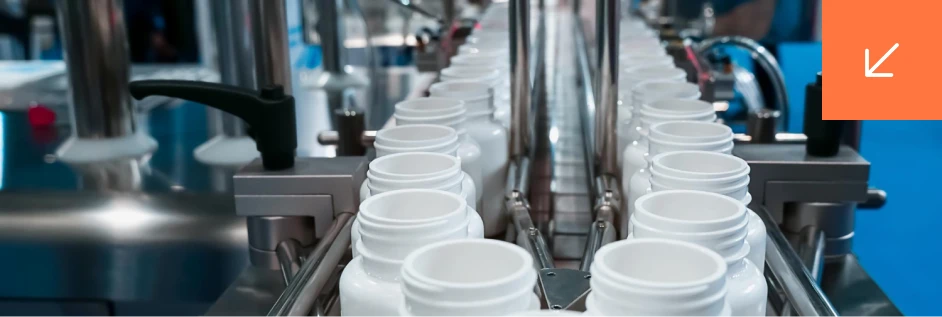
If you are a packaging manufacturer
We help you determine the requirements that each type of packaging must meet and generate the information needed for your customers and market surveillance authorities.
We can help you to:
- Define your role as a manufacturer and your responsibilities under the PPWR.
- Review materials, components, applications and intended uses.
- Analyse technical information on raw materials and suppliers.
- Assess the recyclability of the packaging.
- Identify improvement needs through ecodesign.
- Review and structure the technical file.
- Analytically verify requirements relating to PFAS and heavy metals.
- Train your technical, quality, purchasing, R&D and sales teams.

If you are a food company or packer
We help you identify the obligations associated with the packaging you use and check whether the documentation provided by your suppliers is sufficient to demonstrate its compliance.
We can help you to:
- Define your role and responsibilities based on how you purchase, use or market the packaging.
- Classify the main packaging types in your catalogue.
- Review technical data sheets, declarations and evidence provided by suppliers.
- Identify the information you need to request from the supply chain..
- Assess the risks and requirements applicable to each type of packaging
- Check the suitability of the compliance documentation.
- Determine testing requirements.
- Assess recyclability and possible ecodesign alternatives.
- Establish internal criteria for purchasing, quality and product development.
- Prepare the PPWR Declaration of Conformity.
NIAS analysis
Why is it so important?
Download this infographic to understand what non-intentionally added substances (NIAS) are and why they pose a potential risk to food safety.
How do we help you comply with the PPWR?
We offer a comprehensive, tailored service to support compliance with Regulation (EU) 2025/40 (PPWR), combining technical, legal and documentary analysis to identify the obligations applicable to each type of packaging, assess its compliance and define the actions required to meet regulatory requirements. The service includes document review, technical and analytical assessments, preparation of compliance deliverables and training tailored to each company’s needs.
PPWR technical service
Specialist support to turn the Regulation’s requirements into a practical action plan for your packaging and your organisation.
- Role definition and initial assessment
We analyse your activity, the packaging you manufacture or use and your position within the supply chain to determine the obligations that apply to you under the PPWR.
- Classification of packaging types and selection of representative cases
We group packaging by materials, components, formats, applications and intended uses to select representative references and optimise the scope of the assessment.
- Regulatory and documentary review
- Packaging composition and specifications.
- Technical data sheets for materials and components.
- Supplier information.
- Existing Declarations of Conformity.
- Test reports.
- Evidence of recyclability.
- Documentation on substances and recycled materials.
We identify the applicable requirements, assess whether the documentation is sufficient and highlight the gaps that need to be addressed.
- Technical file and PPWR Declaration of Conformity
We support you in organising the supporting documentation required by the Regulation and in preparing a Declaration of Conformity that can be used as a model for other equivalent references.
- Recyclability assessment
We assess packaging design in accordance with recognised methodologies and standards, such as UNE-EN 13430 and RecyClass design-for-recycling guidelines, depending on the type of material and the purpose of the study.
The analysis may include recommendations on:
- Materials and multilayer structures.
- Labels, adhesives and inks.
- Caps, closures and other components.
- Compatibility with sorting and recycling processes.
- Ecodesign alternatives to improve packaging performance.
- Tailored training
We design practical sessions tailored to the company’s packaging and responsibilities, so that the teams involved understand the requirements, documentation and decisions they will need to manage.

The advantage of addressing the PPWR with AINIA
- Comprehensive view of packaging
We integrate regulation, materials, design, recyclability, food safety and laboratory analysis.
- Experts in food packaging
We understand both the environmental requirements and the functional and safety requirements that food contact packaging must meet.
- Assessment tailored to each company
We do not apply a generic approach. We analyse your packaging, your suppliers, your processes and your actual position in the value chain.
- Technical, legal and analytical capabilities
We bring together specialists in packaging technologies, sustainability, food contact materials, regulation and contaminant analysis.
- Practical guidance
We turn the Regulation’s obligations into documentation, evidence and concrete actions that your teams can integrate.
Would you like to know more?
Leave us your details and we will contact you to answer your questions or continue the conversation.