Not a partner company yet? Sign up here
AINIA / Laboratories / Physico-chemical / Process and environmental contaminants
Analytical determination for the control of contaminants generated during thermal processing or through environmental exposure, with technical support for interpretation and decision-making.
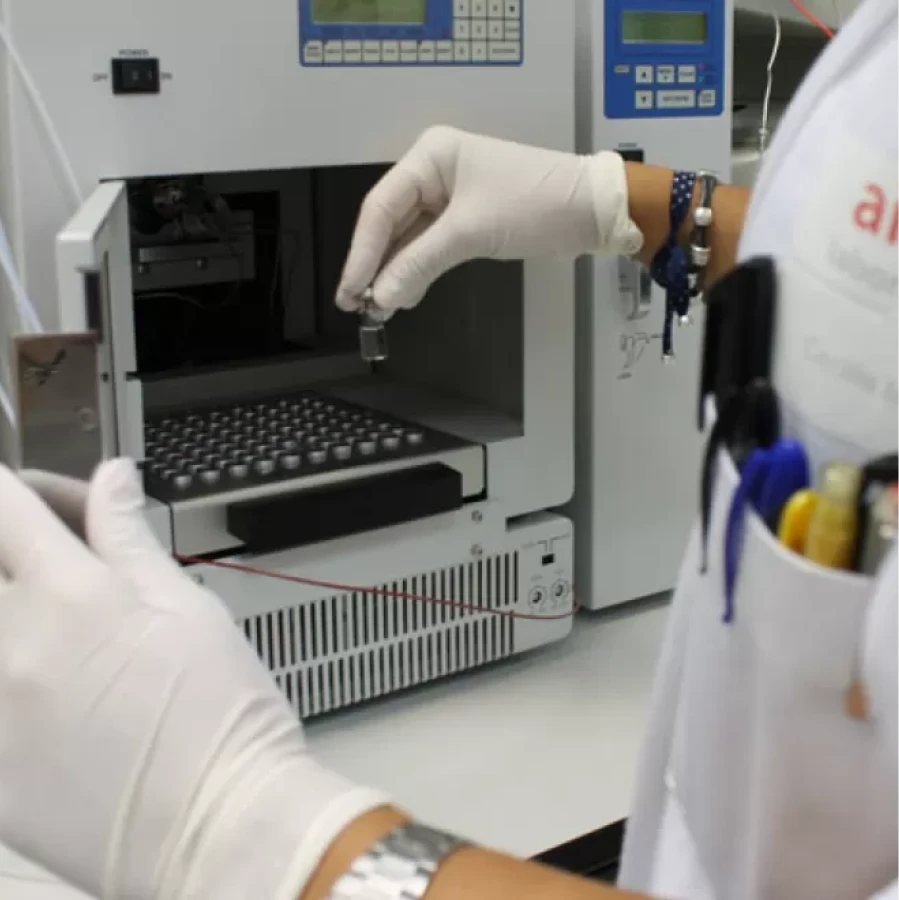
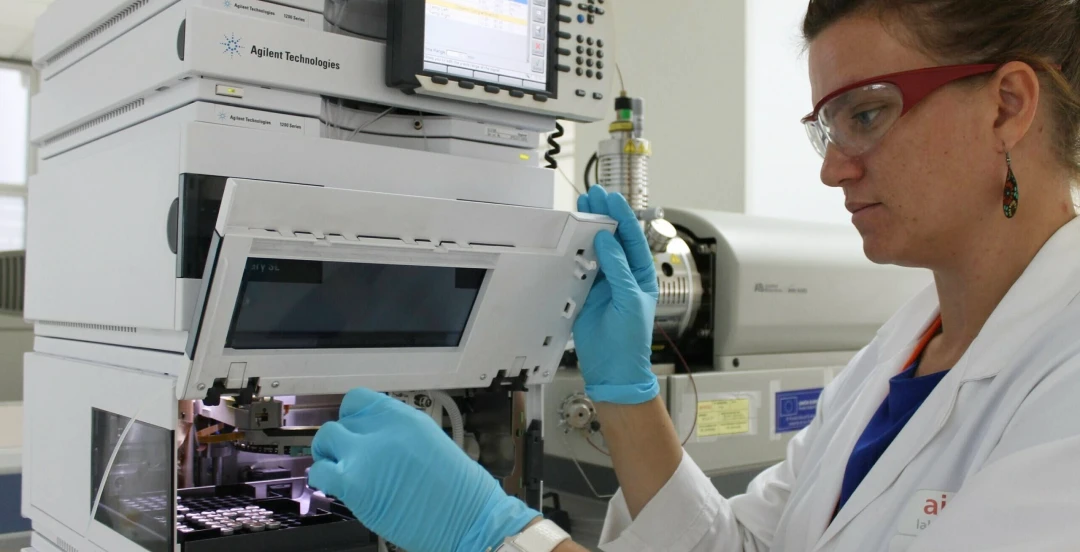

Certain chemical contaminants may occur unintentionally in food, either due to processing conditions (e.g. heat treatments) or as a result of environmental and technological contamination.
In this context, acrylamide forms naturally during the cooking/processing of starch-rich foods at high temperatures and low moisture levels (frying, toasting, roasting, baking), and is associated with browning reactions such as the Maillard reaction.
Polycyclic aromatic hydrocarbons (PAHs), meanwhile, comprise a broad group of substances generated mainly by the incomplete combustion of organic matter and can enter food through environmental sources (e.g. industrial processes, fires) or through operations such as smoking, drying and heating.
Conventional approaches based on occasional checks or without an analytical plan tailored to the matrix may be insufficient due to the diversity of foods affected, variability between batches and the influence of processing parameters. Furthermore, regulatory frameworks require operators to implement control measures and, in certain cases, comply with established maximum levels for contaminants (for example, PAHs under the framework of maximum contaminant levels), increasing the need for robust analytical data to manage compliance and risk.
AINIA offers a specialised technical service for emerging contaminants, aimed at providing objective, contextualised information to support technical risk management.
It generates analytical results on acrylamide and/or PAH levels in target matrices, with an approach focused on control, verification and technical support.
It does not replace the operator's responsibility for risk management, nor does it automatically entail regulatory decisions in itself; the results are used as evidence to support internal decisions (e.g. process control, batch release, investigation of deviations, review of specifications).
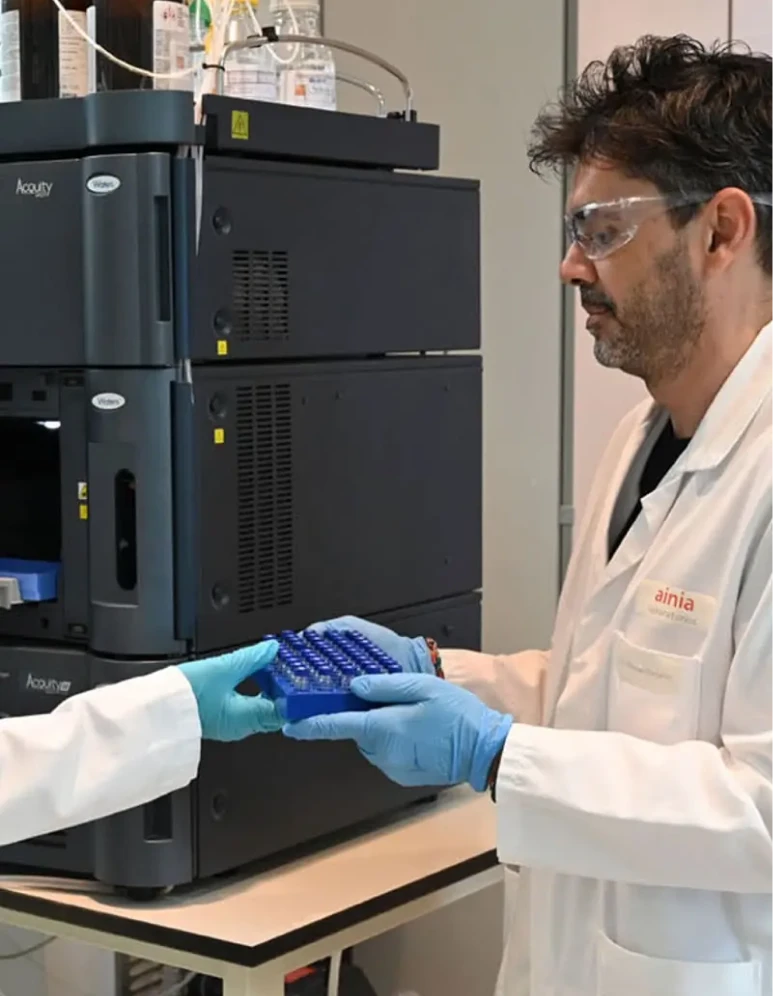

A company produces potato snacks and detects colour variability between batches following an adjustment to thermal processing conditions. To obtain supporting evidence, it requests acrylamide determination in representative batches and uses the results as a technical basis for deciding whether to intensify controls, review process parameters or expand sampling among raw material suppliers, in line with the mitigation approach and benchmark levels applicable to acrylamide.
At the same time, the company introduces a range of smoked products and needs to verify the control of PAHs associated with combustion/smoking conditions. Analytical determination makes it possible to compare batches and guide internal decisions on process control and monitoring, while ultimate responsibility remains with the operator.
Leave us your details and we will contact you to answer your questions or continue the conversation.