Not a partner company yet? Sign up here
AINIA / Laboratories / Technical assistance and studies / Food fraud risk identification and vulnerability assessment system
Identification of food fraud risks and systematic assessment of vulnerabilities in the supply chain


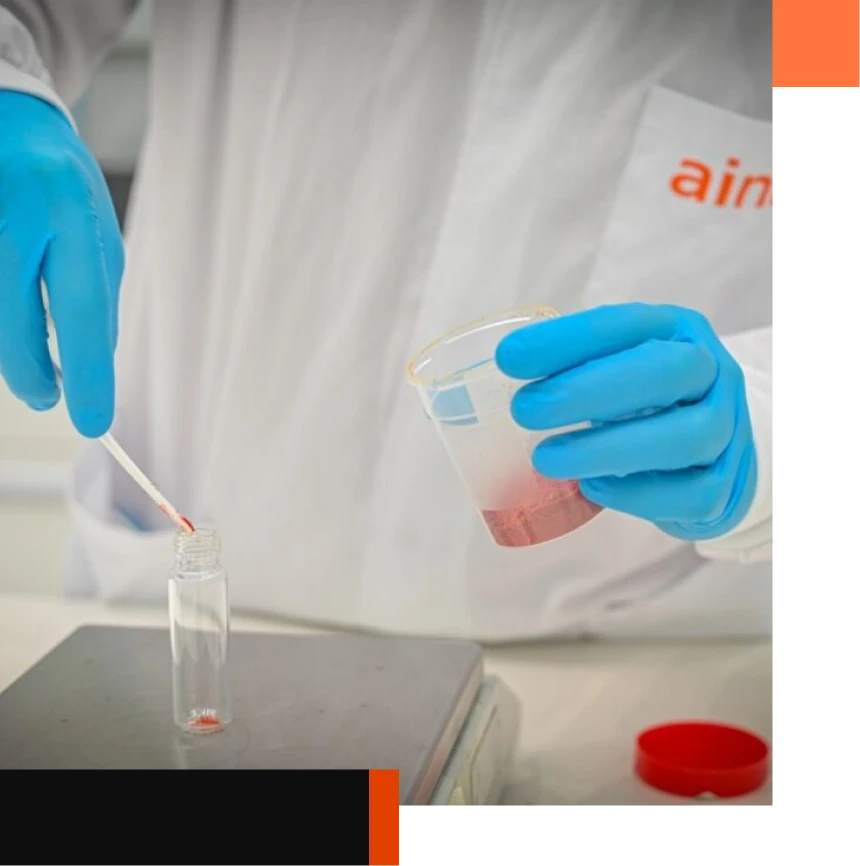
AINIA’s food fraud prevention system focuses on identifying fraud risks and assessing vulnerability throughout the supply chain.
The service combines the analysis of raw materials, processes, suppliers and information flows with recognised food fraud vulnerability assessment methodologies.
For risk characterisation, information from different sources is collected and cross-checked (e.g. official notifications, technical publications, sector alerts, news and other relevant studies).
The risk associated with the country of origin is assessed, among other factors, on the basis of recognised corruption indices.
The system provides a diagnosis of risks and vulnerabilities and their prioritisation.
This diagnosis serves as a basis for defining corrective measures and action plans, which can be addressed as a priority thanks to the assessment of risk expressed as vulnerability.
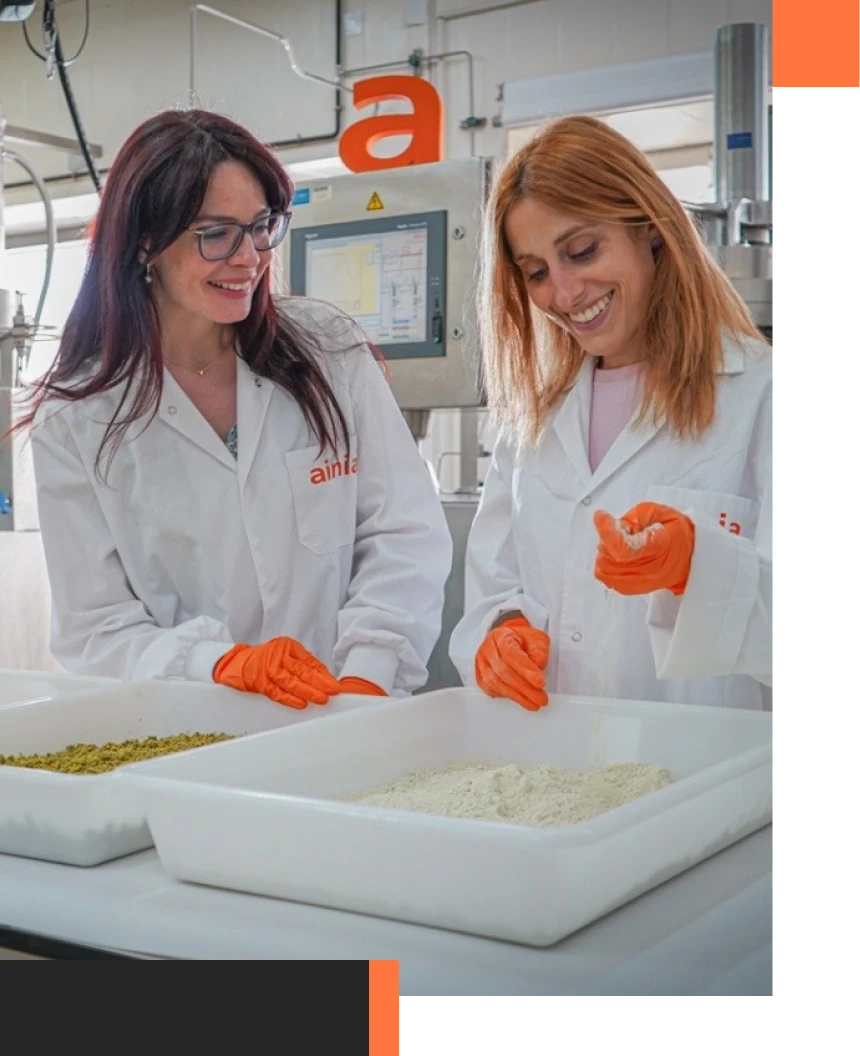

A food company uses the system to periodically assess the fraud vulnerability of its critical raw materials, countries of origin and key suppliers, incorporating external signals (official notifications, news and sector studies). Based on the results, it prioritises which raw materials require greater monitoring and follow-up and where to focus resources (financial and control) according to the potential impact, including economic and reputational impact.
Leave us your details and we will contact you to answer your questions or continue the conversation.