AINIA / Laboratories / Physico-chemical / Characterisation of waste and by-products
- Physico-chemical
Characterisation of waste and by-products
Chemical and technical-functional assessment of waste and by-products to determine their composition and valorisation potential.
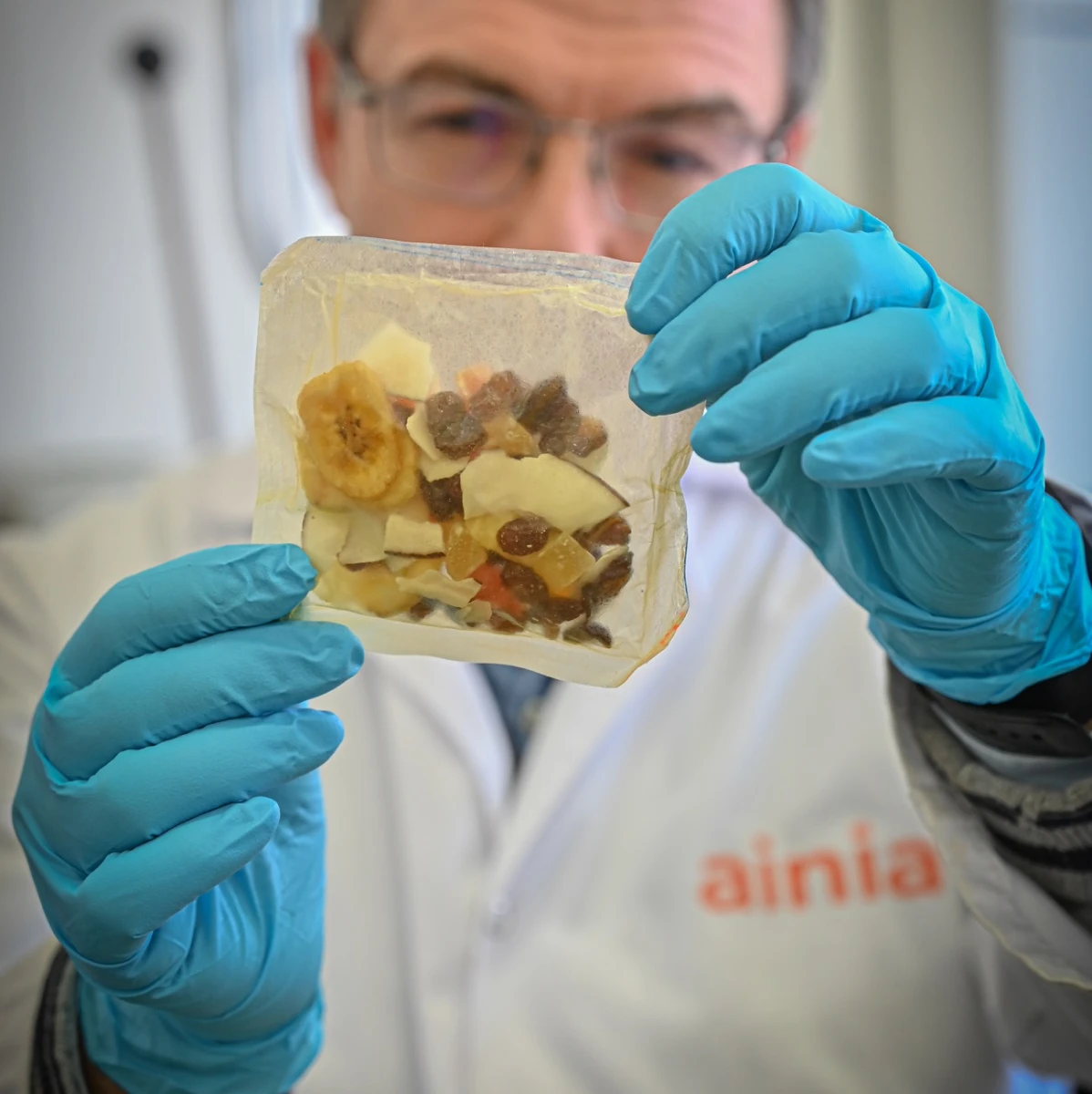
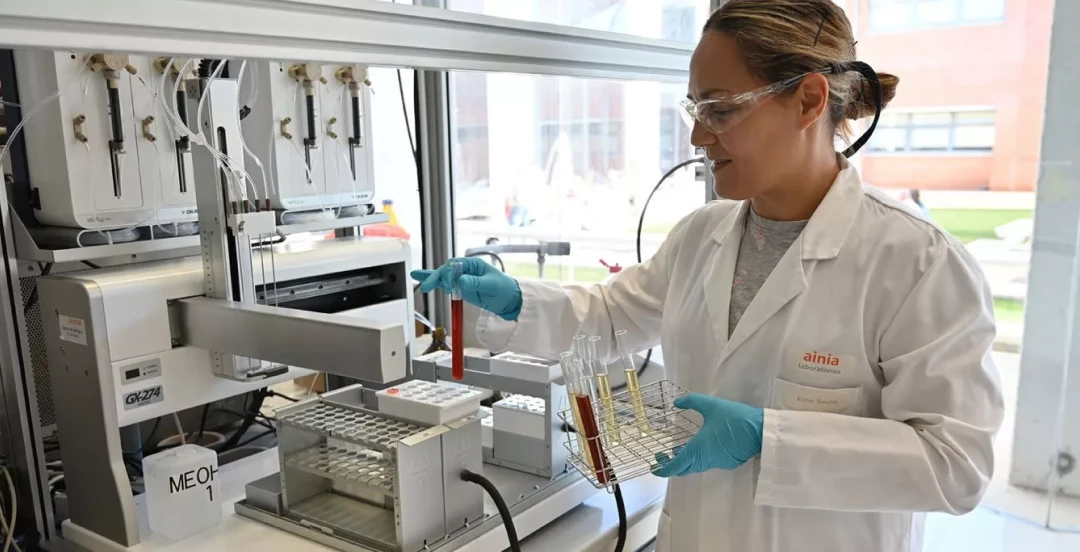
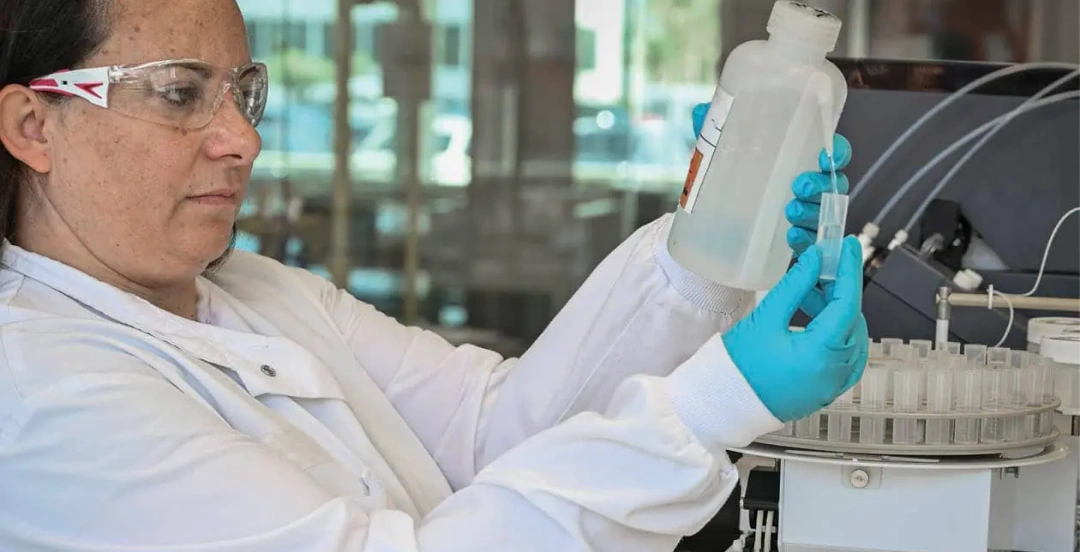
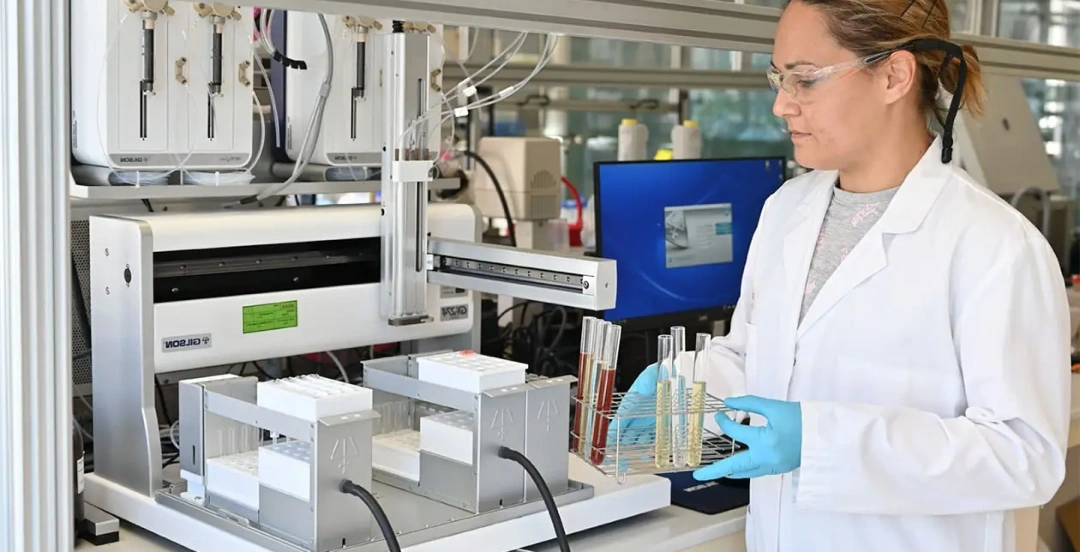
Analytical characterisation of agri-food waste and by-products
In many cases, decisions regarding their management, valorisation or reuse are based on partial information, general estimates or insufficient characterisation, which do not allow their actual chemical composition or the presence of compounds of interest or limiting compounds to be accurately determined. This lack of information increases technical uncertainty and makes it difficult to objectively assess alternative options for recovery or treatment.
Rigorous analytical characterisation of these materials therefore becomes a technical prerequisite for any approach to valorisation, alternative use or support for R&D projects.
Our solution
-
Cross-sector application
Characterisation of waste and by-products generated in the agri-food, pharmaceutical and cosmetics sectors, where the complexity of the matrices, variability of processes and stringent technical and regulatory requirements make reliable and specific analytical information essential. -
Assessment tailored to each case
Taking into account the origin of the material, its potential interaction with production or treatment processes and the technical, environmental or safety implications associated with its management. -
Decision-making support
Provides an objective knowledge base that enables operators to assess management, valorisation, reuse or R&D project support options more robustly. -
Experience and advanced infrastructure
AINIA has extensive experience in the characterisation of complex matrices and by-products from the agri-food sector, supported by advanced analytical infrastructure and quality systems aligned with ISO/IEC 17025.
Applications
-
Chemical characterisation of agri-food waste and by-products. Identification of compounds of interest or factors limiting their use.
- For example:
- Basic indicators (EPSAR parameters such as COD, BOD, conductivity, etc.).
- Contamination indicators: PFAS, microplastics, chlorates, heavy metal residues (copper, antimony, chromium, etc.), identification of pharmaceuticals, pesticide residues, etc.
- Valorisation products: total polyphenols, NPK, etc.
- Basic indicators (EPSAR parameters such as COD, BOD, conductivity, etc.).
- Analytical support for valorisation and circular economy studies.
- Comparison of by-product streams from different sources or processes.
- Generation of technical data for R&D projects and feasibility studies.
Impact and benefits
- Objective understanding of the actual composition of waste and by-products.
- Reduction of technical uncertainty associated with their management or valorisation.
- Improved analytical basis for internal decision-making.
- Strong technical support for innovation and sustainability initiatives.
Use cases
Characterisation of by-products for valorisation
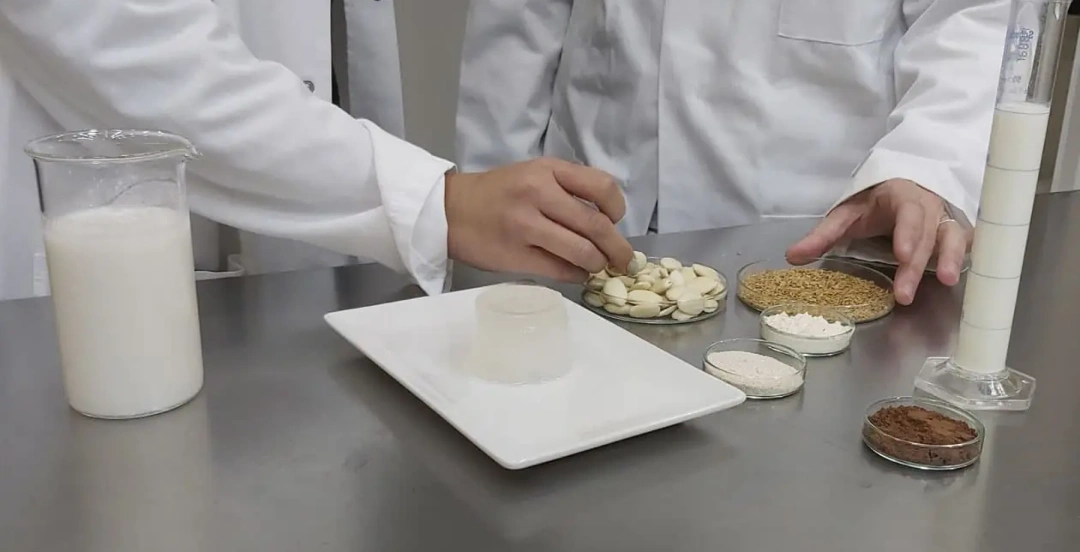
An agri-food company generates a solid by-product during its production process and considers different options for its utilisation. Analytical characterisation of the material provides detailed information on its chemical composition and variability, making it possible to rule out options that are not technically feasible and prioritise R&D activities more closely aligned with its actual characteristics, thereby supporting internal decision-making.
Would you like to know more?
Leave us your details and we will contact you to answer your questions or continue the conversation.