Determination of mineral oil

(MOH: MOSH/MOAH)

Quantification and chromatographic characterisation of MOSH and MOAH fractions to support the control and technical interpretation of results in complex matrices.

Need for reliable control of MOH in food

The presence of mineral oil hydrocarbons (MOH) in food is a growing technical concern due to their ubiquity and the multiple routes by which they can enter the chain (e.g. lubricants, processing aids, migration from packaging materials or environmental contamination). From a toxicological and risk assessment perspective, MOH are considered a complex mixture that is usually addressed by separating two fractions: MOSH (saturated) and MOAH (aromatic), with the MOAH fraction being particularly relevant due to its greater toxicological significance.

In practice, the analytical control of MOH is not straightforward, as these are complex mixtures with a large number of components. In addition, food matrices may contain interfering compounds (e.g. terpenes, waxes, carotenoids or saturated hydrocarbons originating from plastic materials, such as POSH), which can lead to overestimations if an appropriate analytical and interpretative approach is not available. In addition, there are European monitoring references and control criteria that increase the need for comparable and technically defensible analytical data (for example, Recommendation (EU) 2017/84 and the use of common LOQ-based reference values for MOAH in certain control contexts).

Our solution

The mineral oil determination service (MOH: MOSH/MOAH) provides specialised analytical support to quantify and, where appropriate, characterise MOSH and MOAH fractions in food matrices (and, where applicable depending on the technical objective of the study, in investigations related to food contact materials).

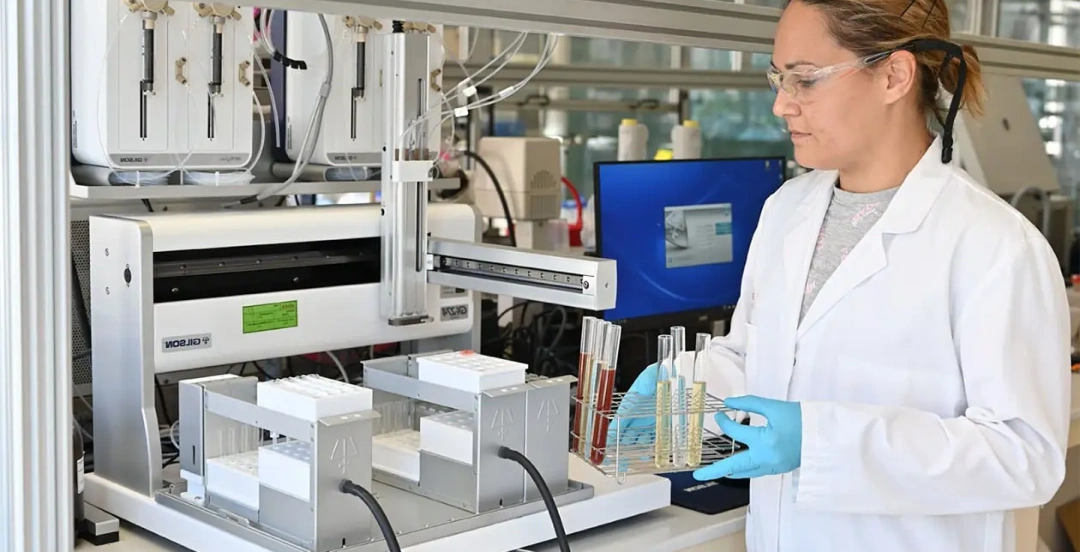
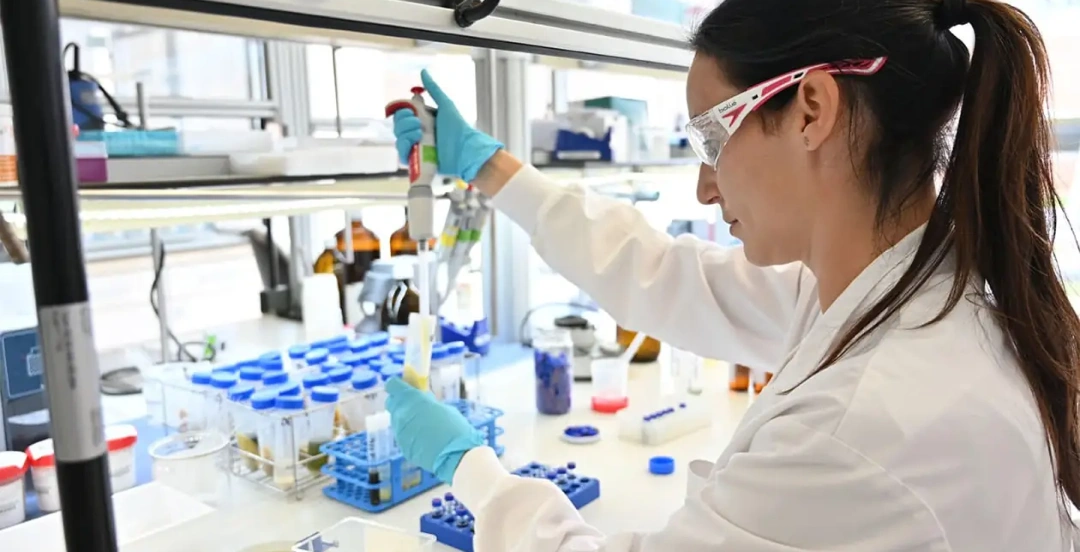
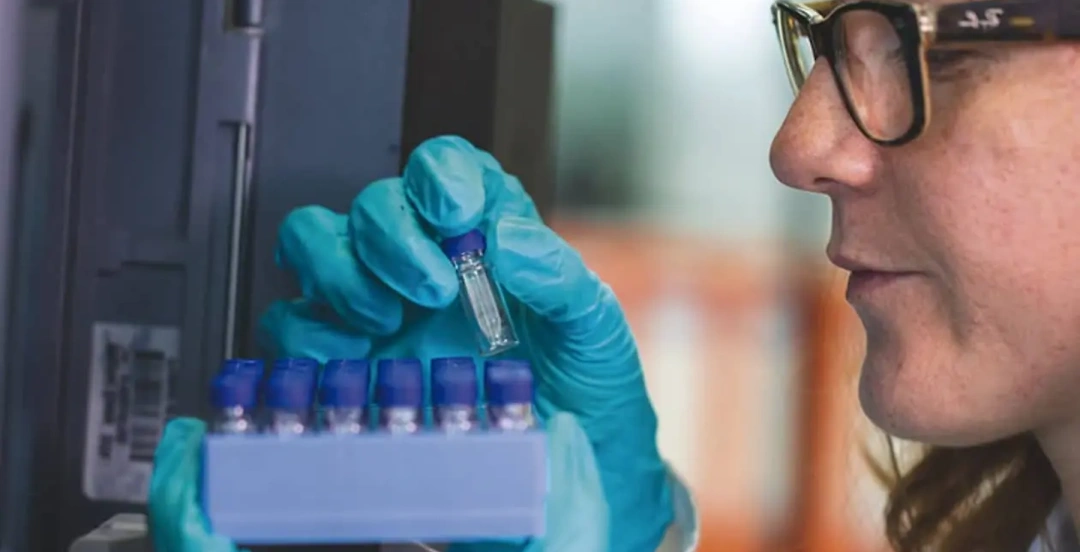
The analytical approach is based on the use of chromatographic techniques for this type of determination, combining methods for quantifying overall fractions with advanced higher-resolution techniques when it is necessary to reduce uncertainty due to interferences or to explore the interpretation in greater depth (for example, methodologies described as LC-GC-FID and advanced techniques such as GC×GC-MS-FID as confirmatory/interpretative support). Results are reported separately for MOSH and MOAH and are accompanied by a technical interpretation aimed at: (i) assessing the robustness of the data according to the matrix, (ii) identifying possible interferences and (iii) supporting internal decisions on control, incident investigation or monitoring.

The service provides analytical evidence to support decision-making (e.g. batch management, prioritisation of investigations or definition of control plans).

AINIA has established chromatography capabilities within its analytical offering and operates quality systems aligned with ISO/IEC 17025 where applicable, without implying automatic accreditation for all tests or analytical configurations.

Applications

Impact and benefits

Use cases

Would you like to know more?

Leave us your details and we will contact you to answer your questions or continue the conversation.

Begoña Company
Head of Chromatography Laboratory

You may be interest in