AINIA / Tecnology / Water treatment / Feasibility studies of processes and facilities for MWWTP and IWWTP
- Water treatment
Feasibility studies of processes and facilities for MWWTP and IWWTP
Techno-economic analysis for the design, adaptation and optimisation of IWWTPs and MWWTPs.
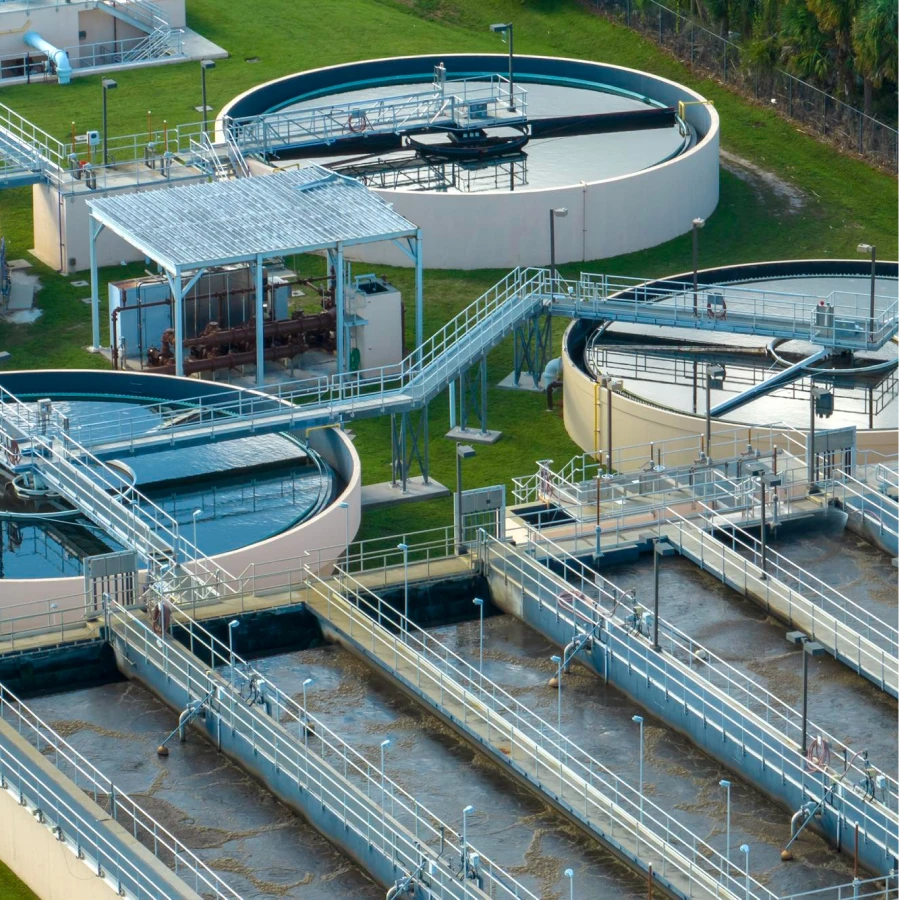
Feasibility and sizing of wastewater treatment facilities
The correct specification and sizing of an MWWTP or IWWTP are critical factors in ensuring regulatory compliance, operational efficiency and economic sustainability in the medium and long term. Without a rigorous preliminary analysis, facilities may face additional costs, operational problems or future limitations arising from regulatory or production changes.
At AINIA, we support public authorities and industrial companies in the technical, economic and environmental assessment of wastewater treatment processes and facilities, providing robust feasibility studies that enable informed decisions before undertaking investments or modifications to MWWTPs and IWWTPs.
Market need
Operators of MWWTPs and IWWTPs face increasingly complex challenges:
- Increased pollutant load and variability of effluents.
- Emergence of specific contaminants and complex streams.
- Need to adapt to new discharge and reuse limits.
- Existing processes that are oversized, underutilised or inefficient.
- High operating and maintenance costs.
- Uncertainty regarding future regulatory and water sustainability requirements.
In this context, it is essential to analyse the technical and economic feasibility of the available solutions before designing, expanding or modifying a facility.

Our solution
At AINIA, we carry out feasibility studies for MWWTPs and IWWTPs tailored to each case, based on an integrated approach that combines:
- Detailed characterisation of wastewater and liquid streams.
- Assessment of the condition and operation of existing facilities.
-
Comparative analysis of treatment alternatives:
- Biological, physicochemical and advanced processes.
- Separation and concentration technologies.
- Tertiary treatment, reuse and resource recovery.
- Biological, physicochemical and advanced processes.
- Experimental testing at laboratory and pilot scale, where necessary.
- Techno-economic assessment (CAPEX, OPEX, energy consumption, reagents).
- Analysis of operational robustness and flexibility in response to future changes.
- Support for compliance with current regulations and adaptation to future regulatory scenarios.
Our objective is to provide an objective technical basis that facilitates decision-making and reduces investment risks.
Applications
The feasibility studies carried out by AINIA apply to:
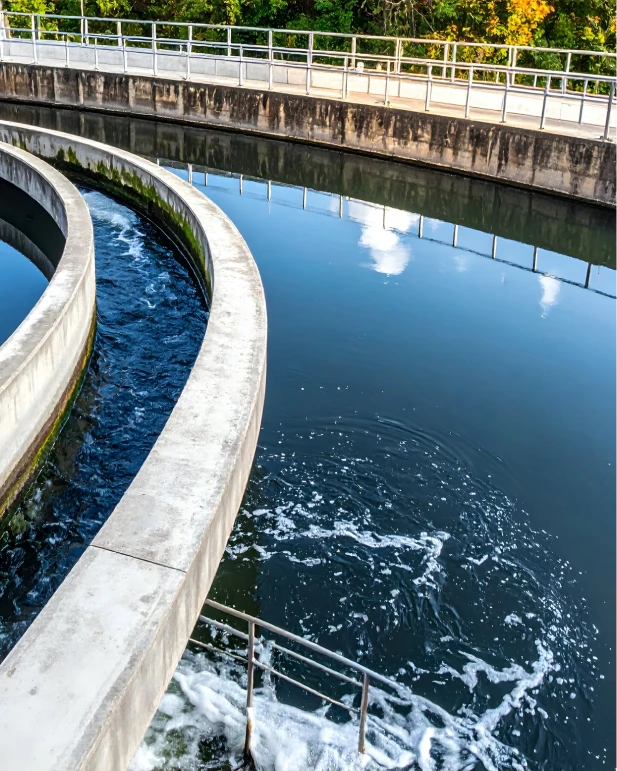
- Design of new MWWTPs and IWWTPs
- Expansion or adaptation of existing facilities
- Optimisation of wastewater treatment processes and reduction of operating costs
- Adaptation to new discharge limits or water reuse requirements
- Treatment of complex industrial effluents
- Integration of resource recovery into MWWTPs and IWWTPs
- Assessment of future production or regulatory scenarios
Impact and benefits
Conducting a feasibility study provides organisations with:
- Reduction of technical and economic risks in investment projects.
- Optimisation of sizing and technology selection.
- Reduction in operating and maintenance costs.
- Improvement in environmental performance and sustainability indicators.
- Longer service life and greater flexibility of facilities.
- Identification of opportunities for water reuse and valorisation of waste streams.
- Independent technical support for strategic decision-making.
Would you like to know more?
Leave us your details and we will contact you to answer your questions or continue the conversation.
Pablo López
Head of Bioenergy and Biorefinery.