AINIA / Beauty, health and wellbeing / Studies of health effects using in vitro cell models
- Beauty, health and wellbeing
Studies of health effects using in vitro cell models
Advanced assessment of health effects using 2D and 3D cell models

Market need
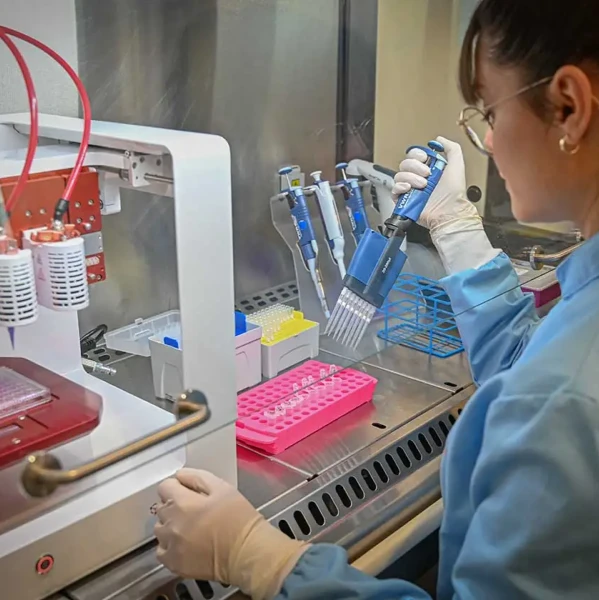
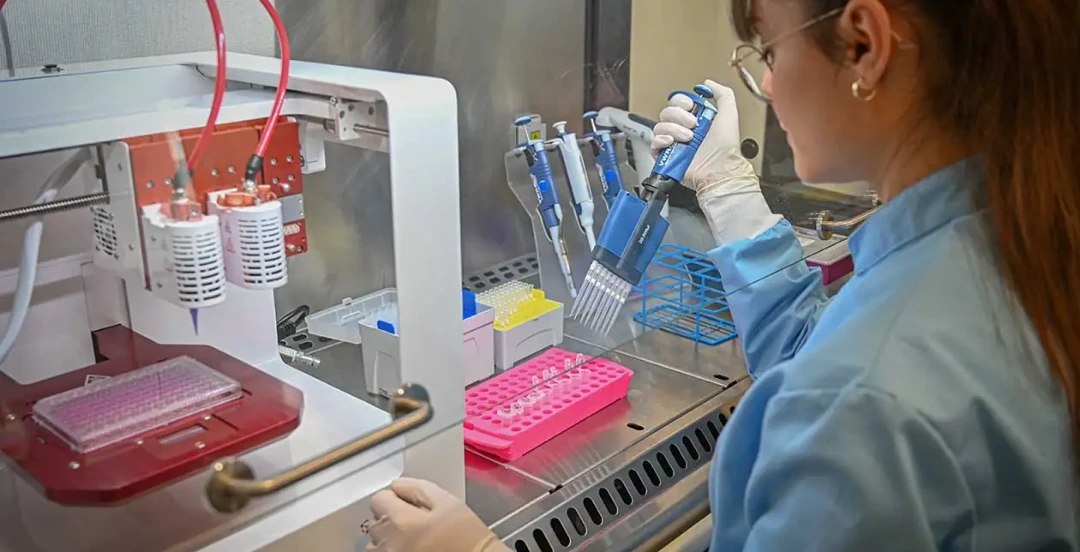
To address this need, new approach methodologies (NAMs) offer physiologically relevant experimental systems that make it possible to study the human response under controlled conditions. These methodologies include 2D and 3D cell models, co-cultures, reconstructed tissues and other advanced platforms.
Their application makes it possible to investigate mechanisms of action, identify response biomarkers and assess biological effects at early stages of development. In this way, they help guide innovation, select the candidates with the greatest potential and reduce reliance on animal models.
These approaches help accelerate innovation, reduce risks in product development and generate high-value scientific evidence, while also minimising reliance on animal models and promoting more sustainable and ethically responsible research strategies.
Our solution
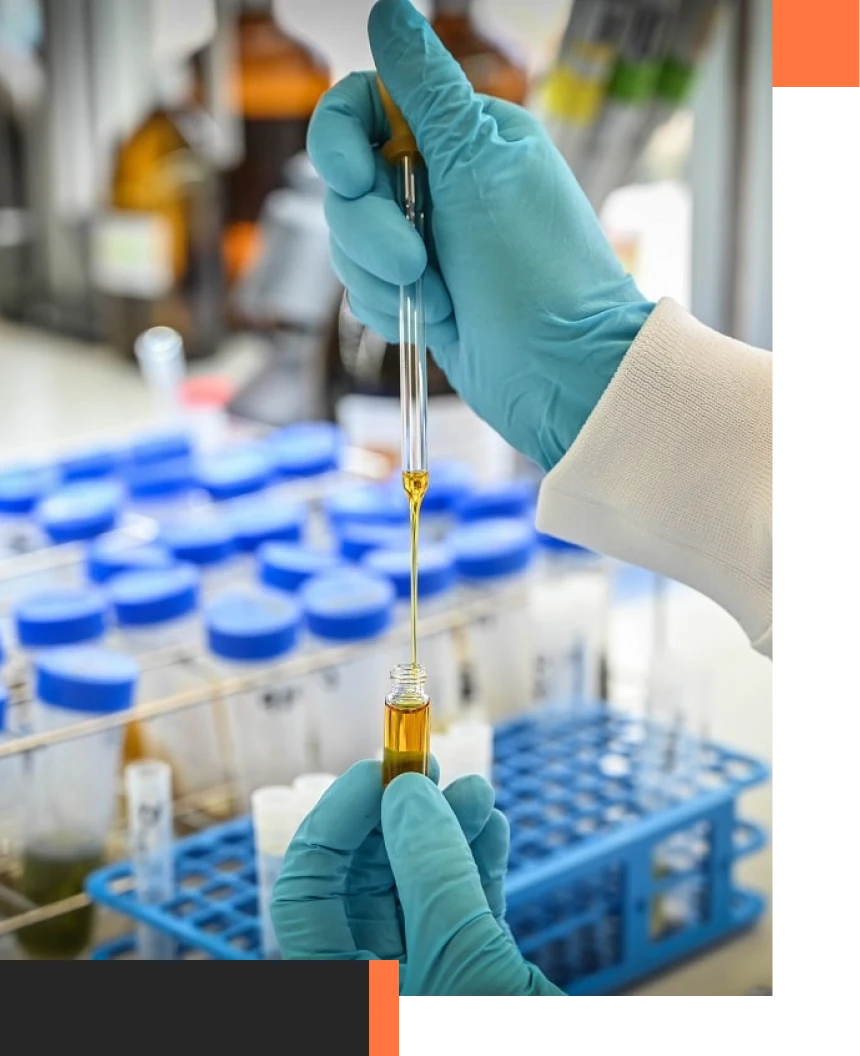
- In vitro preclinical studies based on advanced cell models to assess the biological effect of ingredients, extracts, formulations and final products.
- Extensive experience in 2D and 3D cell models, selected and adapted according to according to the objectives of each project.
- Physiologically relevant models for the study, among others, of:
- Gut health.
- Metabolic and energy processes.
- Skin health.
- Muscle and bone health.
- Liver function.
- Cognitive health.
- Characterisation of mechanisms of action to understand how ingredients and products work.
- Demonstration of functional efficacy using cell models adapted to each application.
- Generation of robust scientific evidence to support the development and validation of ingredients and products.
Applications
- Assessment of effects on gut health and intestinal barrier function.
- Studies of compound absorption, cellular bioavailability and intestinal epithelial transport.
- Assessment of anti-inflammatory, antioxidant and immunomodulatory effects.
- Studies on energy metabolism and metabolic health.
- Assessment of satiety and lipid accumulation.
- Functional assays in liver, muscle and bone models.
- Studies of on cognitive health
- Studies on ageing
- Analysis of cellular biomarkers associated with health benefits.
- Studies of nutricosmetic ingredients and compounds.
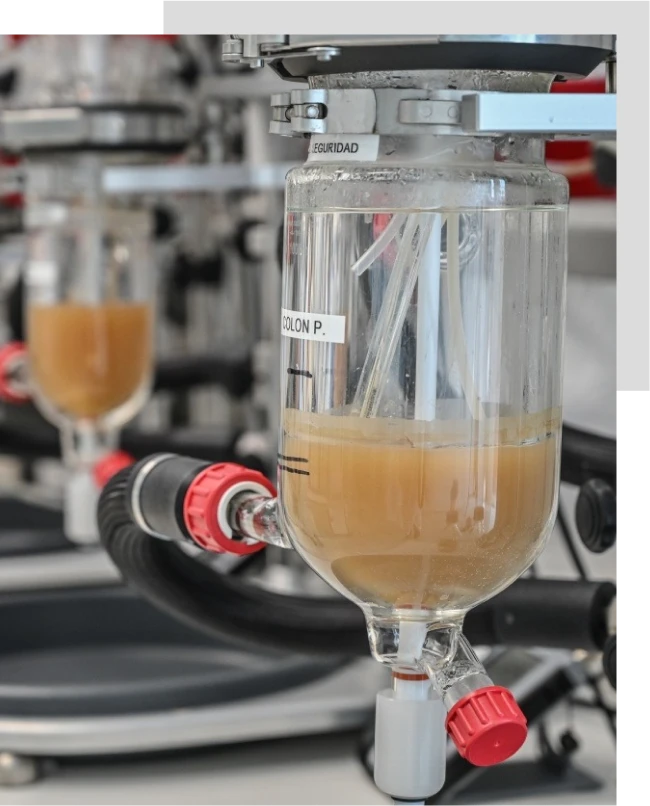
- Integration with gastrointestinal digestion and colonic microbiota models to study the effect of bioaccessible fractions, metabolites and fermentation products.
- Assessment of anti-ageing /antiaging, firming, moisturising and repairing effects.
- Studies on pigmentation.
- Wound healing and tissue repair assays.
- Specific cell models of psoriasis and atopic dermatitis.
- Analysis of biomarkers associated with inflammation, oxidative stress, barrier integrity and skin ageing.
Impact and benefits
Generation of robust scientific evidence to support product claims
Studies based on physiologically relevant 2D and 3D in vitro cell models make it possible to generate robust, reproducible and well-characterised data, supported by functional biomarkers and mechanisms of action. This scientific evidence is key to supporting product claims, technical arguments and scientific documentation, in line with the recommendations and scientific frameworks promoted by bodies such as EFSA, the FDA or Cosmetics Europe (formerly COLIPA).
2D and 3D cell models make it possible to obtain reproducible data and characterise functional biomarkers and mechanisms of action. This evidence can help support technical arguments, scientific documentation and communication strategies, in accordance with the regulatory context and the level of evidence required in each case.
More targeted development and reduced risks in the development of new ingredients and formulations
Early assessment of the biological and functional effects of products makes it possible to identify possible limitations, lack of efficacy, absence of effect or unwanted effects at early stages of development. The results facilitate the selection of ingredients, concentrations, formulations and candidates with the greatest potential. This reduces technical and scientific uncertainty, minimising risks before progressing to more costly or complex stages of the innovation process.
Acceleration of time-to-market in the early stages of innovation
The use of in vitro models makes it possible to obtain results in shorter timeframes than traditional approaches, facilitating agile, data-driven decision-making. This accelerates concept validation, formulation optimisation and the selection of candidates with greater potential, helping to reduce development and time-to-market.
Optimisation of costs and time compared with traditional approaches
The use of in vitro cell models makes it possible to optimise resources by reducing experimental times, associated costs and the need for more complex testing at early stages.
Research aligned with the 3Rs
In vitro methodologies contribute to the application of the principles of replacement, reduction and refinement, promoting more ethical, efficient and sustainable research.
Improvement of the scientific and commercial positioning of products
The generation of data using advanced in vitro models, aligned with international regulatory and scientific trends, strengthens the technical credibility of products among customers, partners and prescribers. This scientific support helps differentiate developments in the market and improve their positioning from both a scientific and commercial perspective.
Would you like to know more?
Leave us your details and we will contact you to answer your questions or continue the conversation.